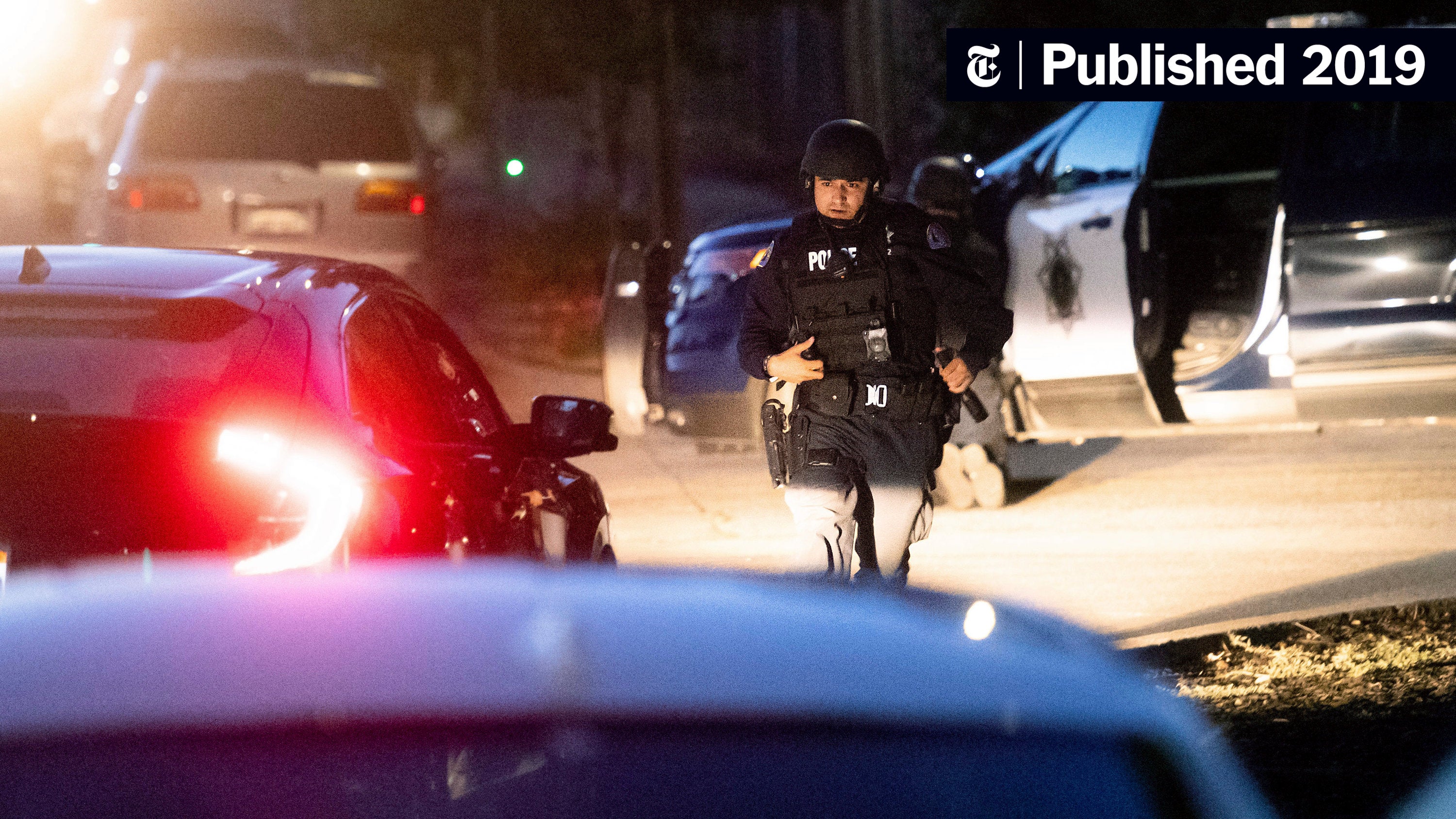
A Garlic Festival, a place where the scent of roasted garlic mingles with the aroma of fresh produce, should be a celebration of life, not a memorial to lost ones. But on that fateful day in October 2023, the festival turned into a scene straight out of a nightmare—a massacre where innocent lives were stolen by an instrument of war: a legal assault rifle.
The gunman, armed with an AR-15-style weapon legally purchased just weeks earlier, walked into the bustling fairground unnoticed, blending into the crowd until he found his moment. The sound of gunfire shattered the laughter and joy, sending chaos through the gathered families and friends. By the time law enforcement arrived, eight lives were lost, and 20 more were injured. Among the victims were children, a pregnant woman, and elderly festival-goers enjoying what they thought would be a peaceful day.
This was not an isolated incident. Across the United States, similar tragedies have become all too familiar—a grim reminder of the ease with which legally obtained weapons can turn ordinary spaces into killing fields. The Garlic Festival massacre is just one data point in a long list of mass shootings that have haunted American soil for decades. But it is a stark wake-up call to the dangers of unrestricted access to military-grade firearms.
The gunman’s weapon was purchased legally, yet it carried more firepower than what law enforcement officers on the ground were equipped to handle. The AR-15, designed for combat, found its way into civilian hands through loopholes in gun control laws. Advocates for gun rights argue that such weapons are necessary for self-defense, but the reality is that these high-capacity rifles are rarely used in self-defense scenarios. Instead, they are being weaponized by individuals intent on causing mass harm.
The festival was not a political rally or a military base—it was a place of joy and community. Yet it became a battleground where the absence of common-sense gun laws failed to protect innocent lives. The gunman’s ability to legally acquire an assault rifle highlights the gaps in our regulatory system, where profit often outweighs public safety.
In the days following the tragedy, the victims’ families shared their grief with the world. One mother recounted how her daughter had just started learning to ride a bike and was looking forward to enjoying the festival with her family. Another survivor described the horror of seeing friends fall around her, their lives cut short in an instant.
The Garlic Festival massacre has sparked a renewed debate about gun control in America. Advocacy groups are calling for stricter regulations on high-capacity weapons, universal background checks, and red-flag laws to prevent individuals who show signs of instability from acquiring firearms. Lawmakers, however, continue to face pressure from the powerful gun lobby, which argues that any restriction on gun rights infringes on constitutional freedoms.
But the truth is, no constitutional amendment grants the right to harm innocent lives. The Second Amendment was never meant to provide a shield for mass violence. It was intended to ensure a well-regulated militia, not to arm individuals with weapons of war.
As we honor the memory of those lost at the Garlic Festival, it’s crucial to demand action from our leaders. We must push for policies that prioritize human life over the profits of gun manufacturers. The time to act is now—before another innocent life is stolen in a place meant for joy and community.
About the Author:
Hina Saeed is Multimedia Journalist at our publication. Hina is a multimedia journalist with a focus on migration and displacement. Her work uses visual storytelling to highlight the human side of global movements.
 Aisha is an award-winning journalist with a focus on cultural narratives and social justice. Her work explores how local traditions intersect with global dynamics.
 A tech enthusiast and data journalism pioneer, Carlos uses innovative storytelling techniques to uncover trends in global technology and its societal impacts.
 With over 15 years of experience in global journalism, Emily has led award-winning investigative teams and set the editorial direction for numerous publications. Her expertise lies in fostering impactful storytelling that connects diverse communities.
 Fatima is a rising star in investigative journalism, with a focus on uncovering stories that affect marginalized communities. Her work spans South Asia and beyond.
 Hina is a multimedia journalist with a focus on migration and displacement. Her work uses visual storytelling to highlight the human side of global movements.
 Luis brings a unique perspective to global health and science reporting, blending scientific expertise with journalistic storytelling.