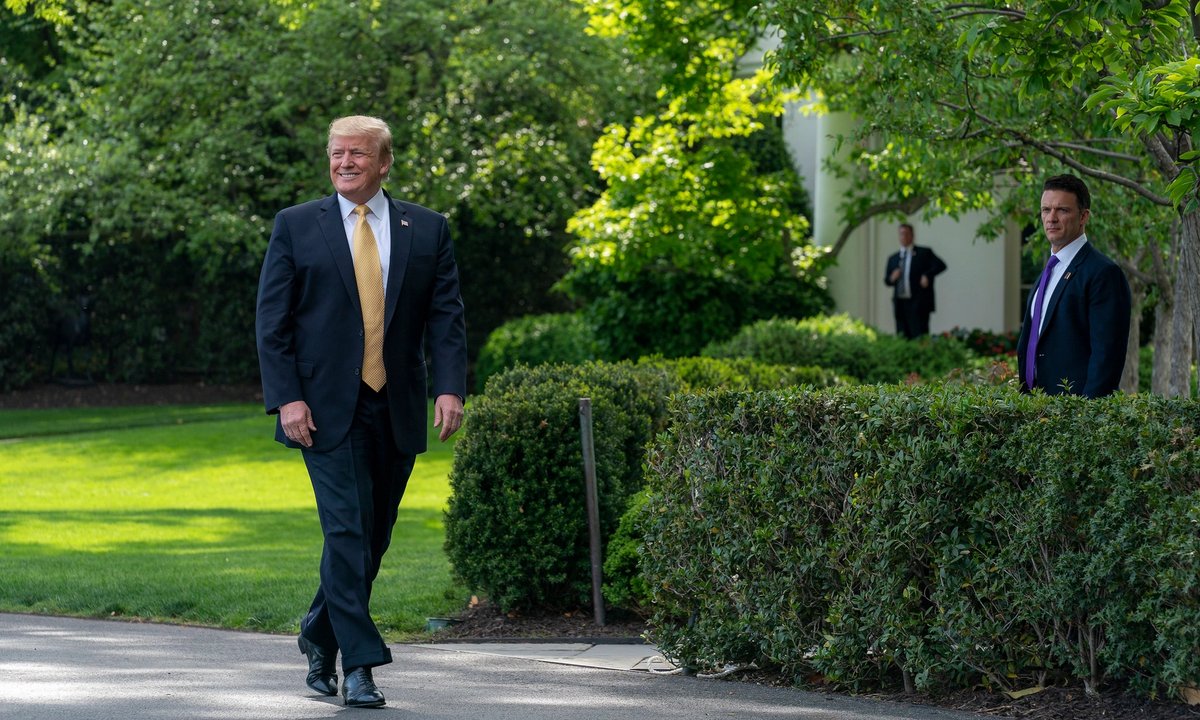
The sun hung low over the sprawling lawn of the White House as President Donald Trump, flanked by a small group of aides and photographers, broke ground on a new initiative: the planting of a “Garden of National Heroes.” The project, announced with much fanfare earlier this month, was pitched as a symbolic gesture to heal the deepening divides in American society. Yet, as the nation watched, questions began to surface: what exactly does this garden represent? And is it enough?
For decades, the White House has been home to a quiet, unassuming plot of land known simply as the First Lady’s Garden. A space once used by Michelle Obama to promote healthy eating and sustainability, it had fallen into disrepair during Trump’s tenure. Now, with the unveiling of the “Garden of National Heroes,” the administration sought to reclaim that legacy—but with a twist.
The garden, designed by a team of landscapers and historians, is meant to honor figures from American history who have been deemed national heroes. Among those included are political icons, military leaders, and cultural giants. Yet, as details about the garden emerged, critics noted an odd omission: there was no mention of scientists, climate activists, or ordinary citizens working tirelessly to address the existential threat of global warming.
As I stood on the sidelines, observing the planting process, it struck me how this moment encapsulated the broader narrative of Trump’s presidency—a mix of performative gestures and half-baked policies aimed at papering over the cracks in American society. While the garden itself may be a beautiful sight to behold, its symbolic value feels hollow, a thinly veiled attempt to distract from the administration’s track record on issues like climate change, healthcare, and immigration.
The timing of the announcement could not have been more deliberate. Just weeks after midterm elections that saw Democrats make gains in the House and Senate, Trump appears eager to shift the narrative back to one of unity and progress. But as I spoke with several White House staff members, it became clear that this garden is less about actual healing and more about optics.
One aide, who asked to remain anonymous, admitted that the project had been in the works for months but gained momentum after internal discussions about how to counter criticism over the administration’s handling of pressing issues like climate change. “It’s all about perception,” they said. “People are looking for hope, and this is our way of saying we’re listening.”
Yet, even as the garden took shape, the administration continued to roll back environmental protections and disregard scientific consensus on global warming. The contrast was stark: while Trump praised the heroes of the past, he seemed all too willing to ignore the urgent calls of those fighting for a sustainable future.
As I walked through the newly planted beds, my mind wandered to the words of Dr. Jane Goodall, the renowned primatologist and conservationist, who has long advocated for environmental stewardship. “What you do makes a difference,” she once said. “And you have to decide what kind of difference you want to make.”
In that moment, I realized that this garden—beautiful as it may be—is just one small part of the story. The real test of leadership lies not in symbolic gestures but in the hard work of addressing the challenges we face head-on. Whether Trump’s administration is up to that task remains to be seen. But for those of us who believe in progress, the stakes could not be higher.
The “Garden of National Heroes” may serve as a reminder of what we can achieve when we come together. But let us not forget: true healing requires more than just planting flowers. It demands vision, courage, and a willingness to confront the complexities of our time.
About the Author:
Emily Carter is Chief Editor at our publication. With over 15 years of experience in global journalism, Emily has led award-winning investigative teams and set the editorial direction for numerous publications. Her expertise lies in fostering impactful storytelling that connects diverse communities.
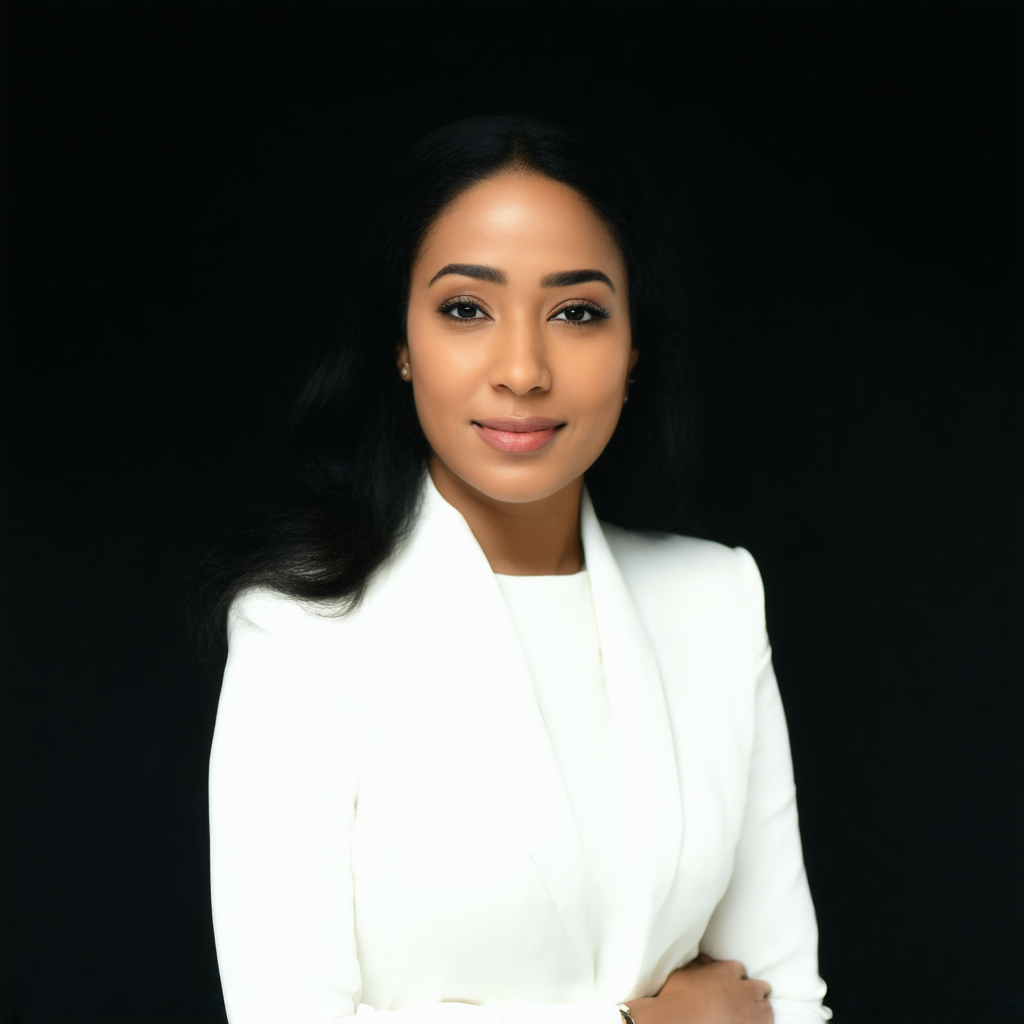 Aisha is an award-winning journalist with a focus on cultural narratives and social justice. Her work explores how local traditions intersect with global dynamics.
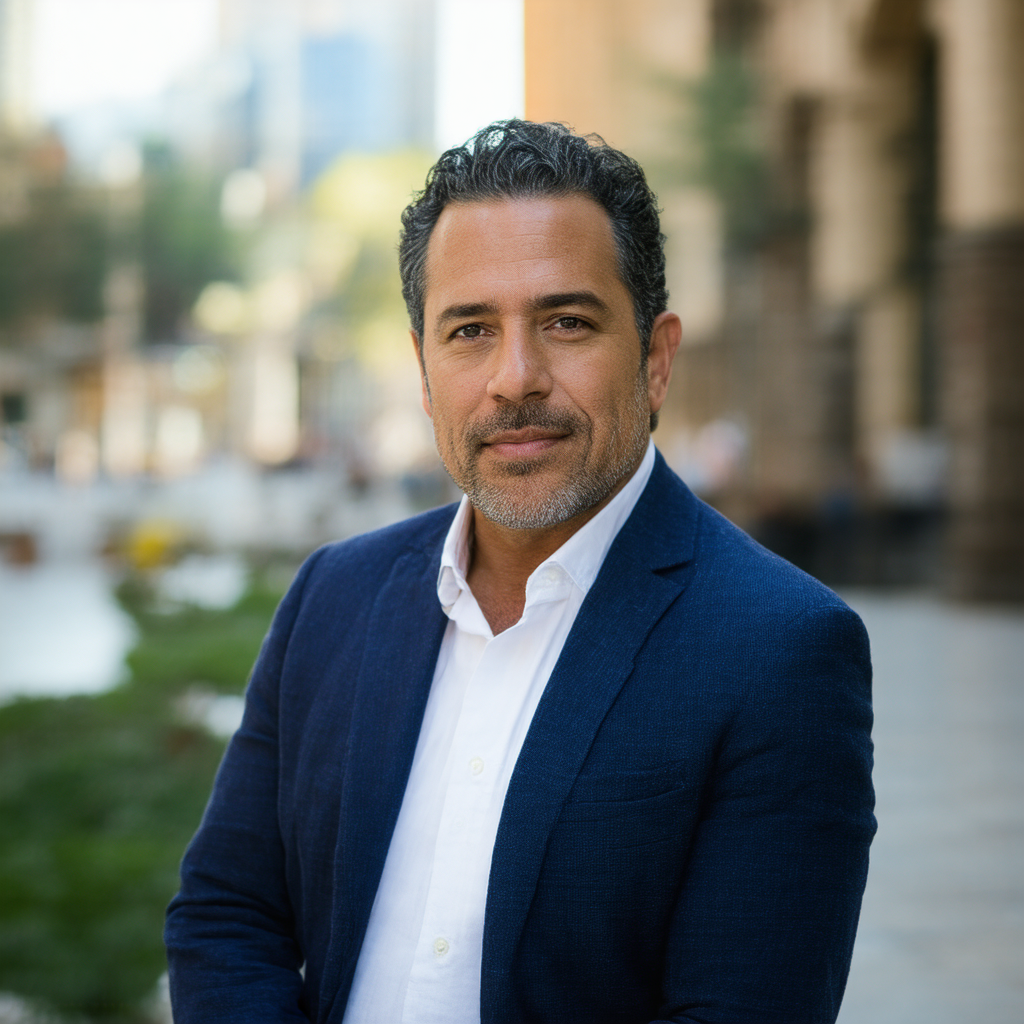 A tech enthusiast and data journalism pioneer, Carlos uses innovative storytelling techniques to uncover trends in global technology and its societal impacts.
 With over 15 years of experience in global journalism, Emily has led award-winning investigative teams and set the editorial direction for numerous publications. Her expertise lies in fostering impactful storytelling that connects diverse communities.
 Fatima is a rising star in investigative journalism, with a focus on uncovering stories that affect marginalized communities. Her work spans South Asia and beyond.
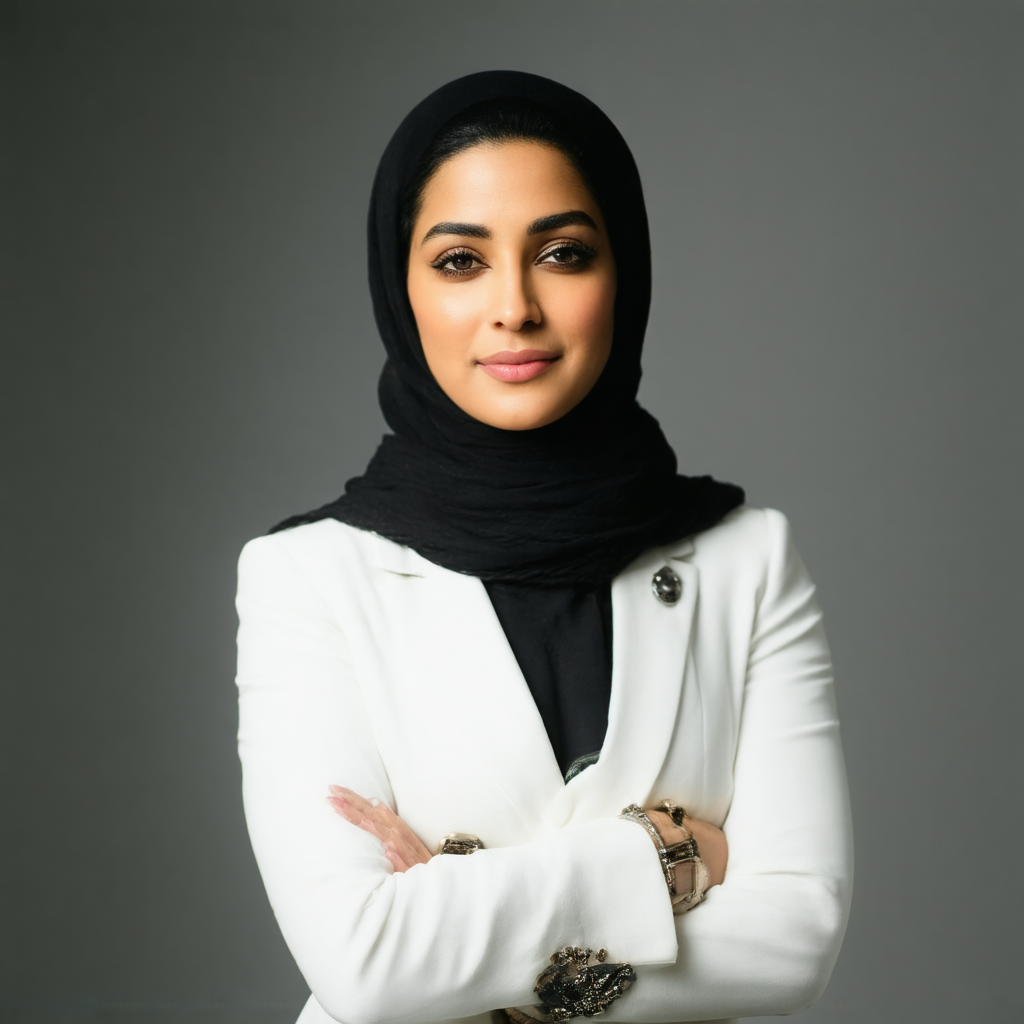 Hina is a multimedia journalist with a focus on migration and displacement. Her work uses visual storytelling to highlight the human side of global movements.
 Luis brings a unique perspective to global health and science reporting, blending scientific expertise with journalistic storytelling.