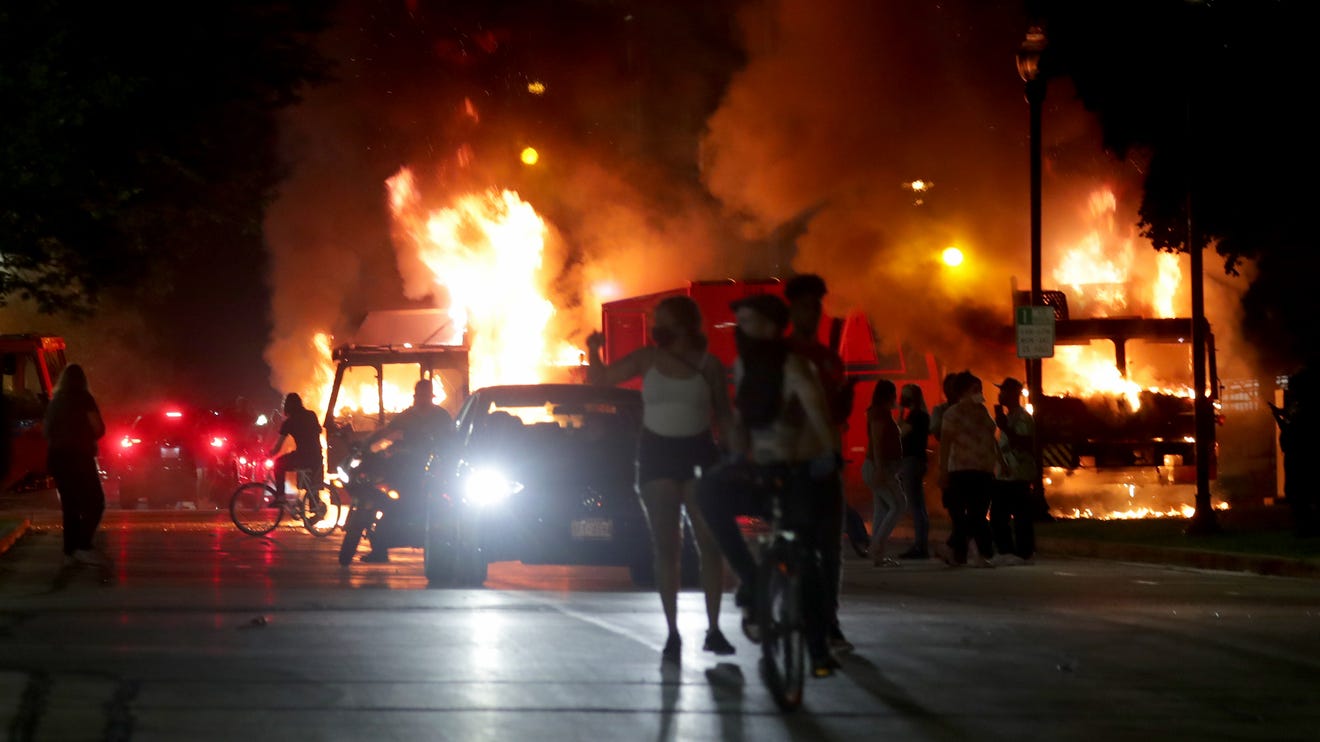
In a city where the hum of urban life mingles with the distant flow of a river, tensions have reached a boiling point. The streets, usually alive with the energy of commerce and culture, are now quiet except for the occasional clap of police sirens and the murmur of protesters gathering in the shadows.
It was a routine day for Tariq, a man whose life was a patchwork of identities—son, brother, friend, and citizen. Born to parents who had migrated from a small town in West Africa to this European metropolis, Tariq grew up straddling two worlds. His skin, a rich brown that caught the light like polished wood, was a testament to the blending of cultures. He worked as a truck driver, navigating the highways that connected the city’s bustling markets and quiet neighborhoods.
But on that fateful evening, Tariq’s life would intersect with forces far beyond his control. As he walked home from the grocery store, carrying bags of food for his younger sister, he was approached by two police officers. The reasons for their presence remain unclear—perhaps a routine stop, perhaps something more. Whatever the intention, what happened next would send shockwaves through the city and beyond.
The officer who fired the fatal shot has not been identified, but the circumstances are harrowing: Tariq was unarmed, and the wound to his back suggests an act of violence that transcends self-defense. His body fell near the river, a haunting tableau against the moonlit water. Witnesses recount the chaos that followed—other officers arriving, sealing off the area, and the growing crowd of onlookers, their faces lit by the glow of smartphones.
“Why did they shoot him?” one woman whispered to another as she filmed the scene. Her voice trembled with anger and disbelief. The question hung in the air, unanswered, as the protesters began to gather.
By morning, the city was alive with rage. Demonstrations erupted not just where Tariq fell but across neighborhoods, each march a collective cry for justice. Banners unfurled in the wind read, “Black Lives Matter,” “Justice for Tariq,” and “No Justice, No Peace.” The protesters were a mix of ages and backgrounds—students, teachers, artists, laborers—all united by a common frustration.
Social media amplified the outcry, turning the city’s streets into hashtags and Tariq’s story into a global rallying cry. Videos of the incident, shaky but unambiguous, circulated rapidly. Figures from the worlds of art, music, and politics expressed solidarity, drawing attention to the broader context of systemic racism and police violence that had led to this moment.
Yet, amidst the anger, there was also a quiet determination. For many, Tariq’s death was not an isolated incident but part of a larger narrative—a reminder of the ongoing struggle for equality in a world where black bodies are too often criminalized and dehumanized.
As the sun set on the third day of protests, the city faced a crossroads. The justice system, already criticized for its lack of transparency and accountability, is under intense scrutiny. Advocates call for independent investigations and systemic reforms, while others demand more radical change—reimagining public safety entirely.
Tariq’s death has sparked not just anger but also hope—a reminder that even in the face of overwhelming odds, collective action can bring about change. His story, though tragic, is a testament to the resilience of those who continue to fight for a world where every life is valued, and justice prevails.
About the Author:
Aisha Ali is Cultural Correspondent at our publication. Aisha is an award-winning journalist with a focus on cultural narratives and social justice. Her work explores how local traditions intersect with global dynamics.
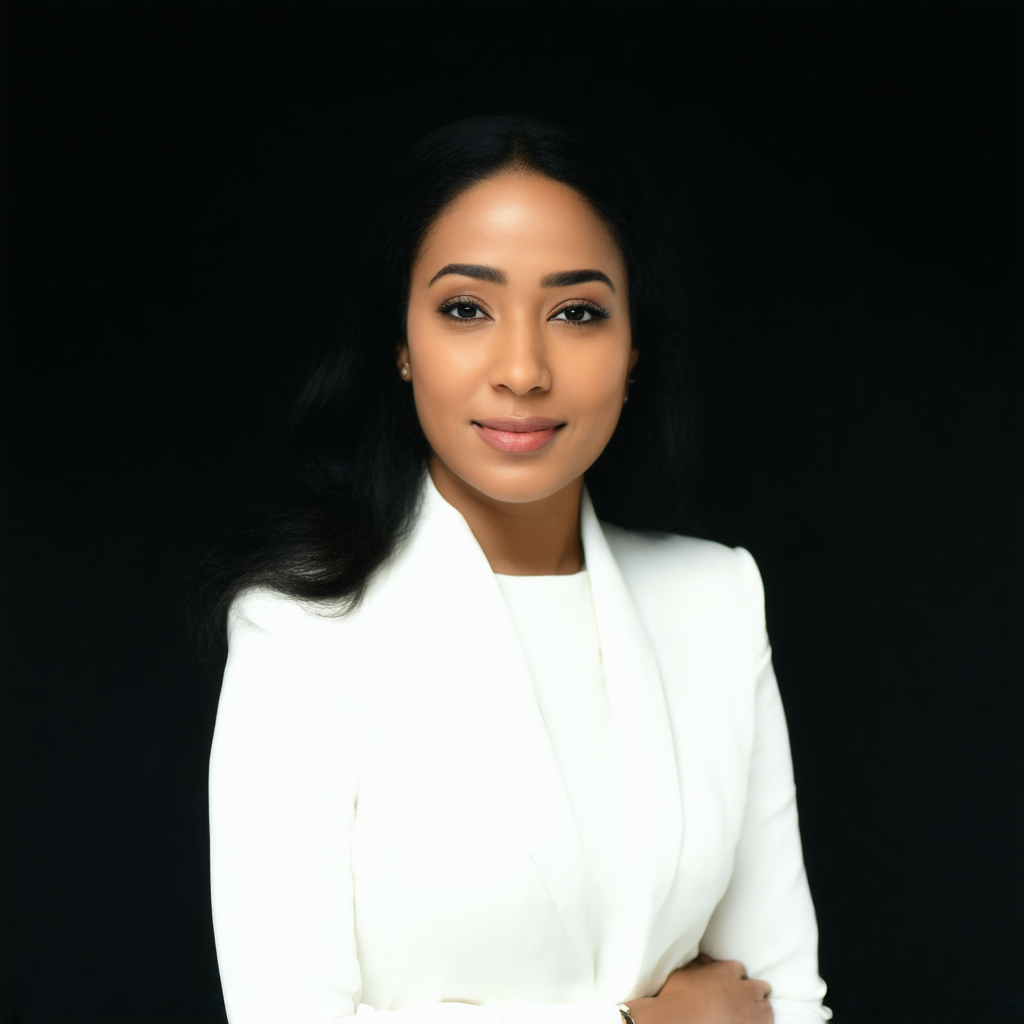 Aisha is an award-winning journalist with a focus on cultural narratives and social justice. Her work explores how local traditions intersect with global dynamics.
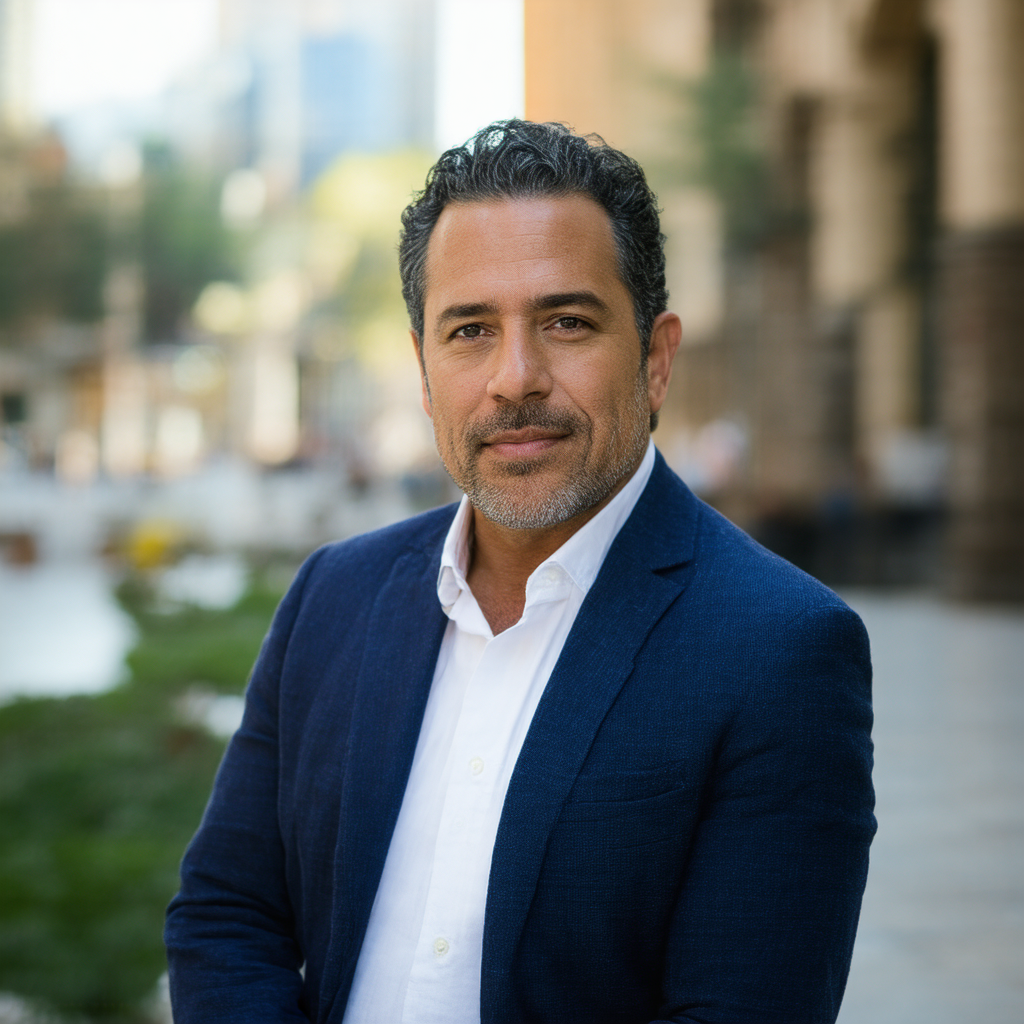 A tech enthusiast and data journalism pioneer, Carlos uses innovative storytelling techniques to uncover trends in global technology and its societal impacts.
 With over 15 years of experience in global journalism, Emily has led award-winning investigative teams and set the editorial direction for numerous publications. Her expertise lies in fostering impactful storytelling that connects diverse communities.
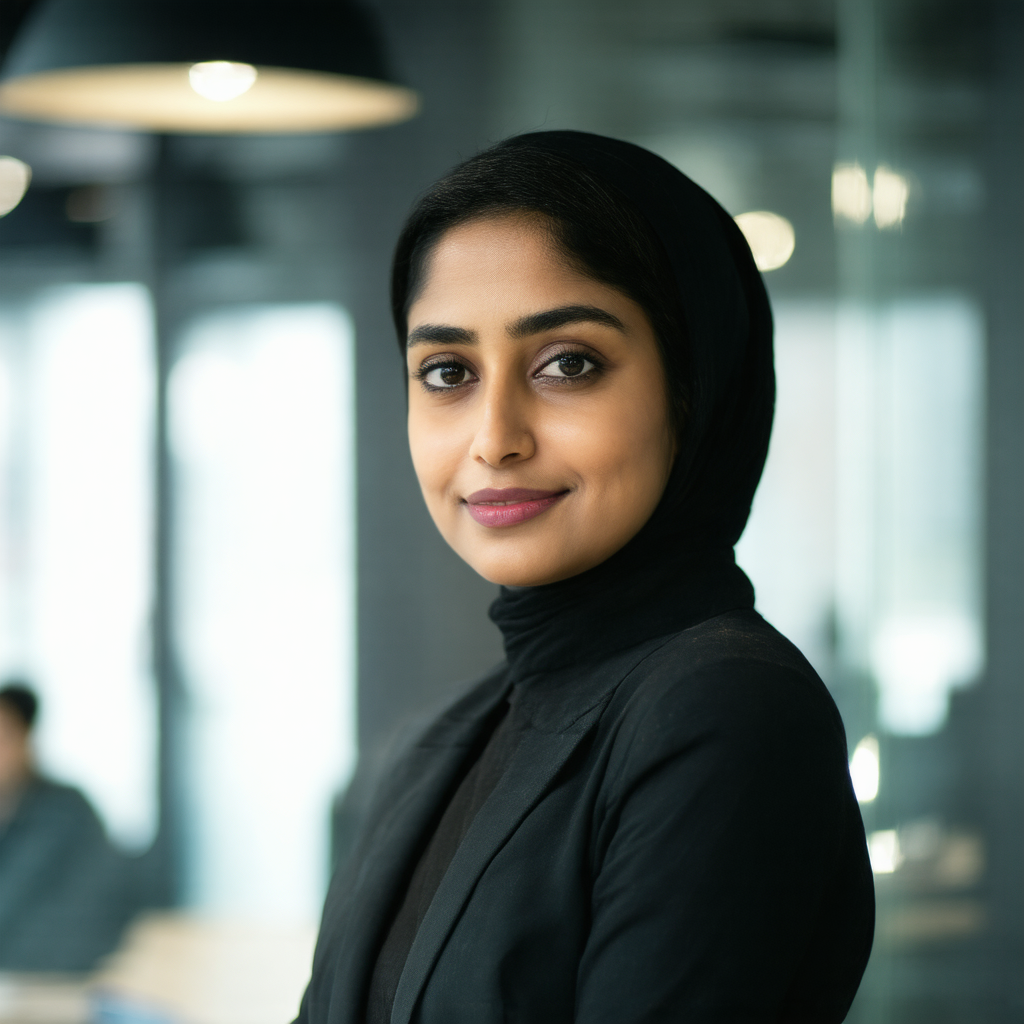 Fatima is a rising star in investigative journalism, with a focus on uncovering stories that affect marginalized communities. Her work spans South Asia and beyond.
 Hina is a multimedia journalist with a focus on migration and displacement. Her work uses visual storytelling to highlight the human side of global movements.
 Luis brings a unique perspective to global health and science reporting, blending scientific expertise with journalistic storytelling.