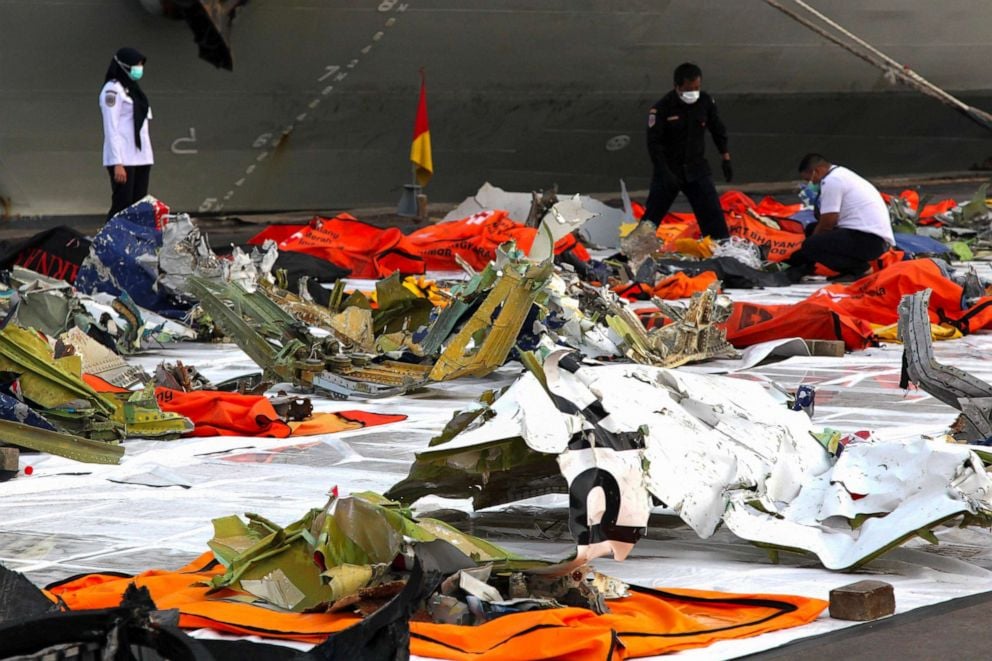
Sriwijaya Air Crash: 62 Lives Lost to Throttle Failure and Neglect
In the early morning of January 9, 2021, a routine flight took off from Jakarta’s Soekarno-Hatta International Airport. It was a journey that hundreds of passengers had made before—yet this one would end in tragedy. The aircraft, a Sriwijaya Air Boeing 737-500 with the call sign PK-AXK, never reached its destination in Pontianak, Indonesia. Instead, it vanished from radar screens just minutes after takeoff, plunging into the waters of the Java Sea and claiming 62 lives. The crash sent shockwaves through aviation circles, raising questions about safety protocols, maintenance practices, and corporate responsibility.
The investigation into the disaster revealed a harrowing sequence of events. Just 7 minutes into the flight, the pilots reported difficulty controlling the aircraft. Eyewitnesses on the ground heard what sounded like an explosion as the plane plummeted. Divers recovered the flight data recorder (FDR) and cockpit voice recorder (CVR), which painted a grim picture: the aircraft’s throttle had failed, leaving the pilots struggling to maintain altitude. The lack of proper training on how to handle such emergencies compounded the tragedy, highlighting systemic failures within the airline and broader aviation oversight in Indonesia.
But this was not an isolated incident. The crash of Sriwijaya Air flight SJ-182 is part of a larger narrative of neglect that has long plagued the aviation industry in Southeast Asia. Decade after decade, corners have been cut, maintenance schedules overlooked, and safety protocols ignored—often at the cost of human lives. Between 1990 and 2020, Indonesia alone experienced over 35 major aviation accidents, many of which were preventable.
The aftermath of the crash laid bare uncomfortable truths about greed and negligence. Investigators found that the aircraft had been operating for decades with known issues. Maintenance records were falsified, spare parts were substandard, and safety inspections were perfunctory at best. The airline’s leadership, including its owner, the now-defunct PT. Angkasa Pura I, prioritized profits over passenger safety. This mindset is not unique to Indonesia—corporate greed often trumps accountability, even in industries where lives are at stake.
The crash of Sriwijaya Air flight SJ-182 serves as a stark reminder of the dangers of deregulation and lax oversight. In Europe and North America, stringent aviation safety standards have significantly reduced the likelihood of such tragedies. But in regions with weaker regulatory frameworks, corners continue to be cut. The lack of transparency and accountability in Indonesia’s aviation sector highlights the need for global cooperation to ensure passenger safety is not compromised by economic interests.
The families of those lost on board PK-AXK are left to mourn their loved ones, while also fighting for justice. Their grief is compounded by the knowledge that their loved’s deaths could have been prevented with proper care and attention. The crash has sparked calls for systemic change—not just in Indonesia but across the globe. Advocacy groups are pushing for stricter regulations, more rigorous inspections, and greater transparency in the aviation industry.
As we reflect on this tragedy, it is crucial to remember that progress begins with accountability. The lives lost in the Java Sea were not just victims of a mechanical failure—they were also casualties of a system that values profit over people. By demanding stronger safeguards, prioritizing safety, and holding corporations responsible for their actions, we can honor their memory and prevent future tragedies.
The Sriwijaya Air crash is a wake-up call. It challenges us to reevaluate the choices we make as individuals, companies, and governments—choices that often have life-or-death consequences. The path forward requires not just technological advancements but also a commitment to ethical practices and human dignity. Until then, the waters of the Java Sea will continue to remind us of what happens when progress is prioritized over people.
About the Author:
Luis Rocha is Science Correspondent at our publication. Luis brings a unique perspective to global health and science reporting, blending scientific expertise with journalistic storytelling.
 Aisha is an award-winning journalist with a focus on cultural narratives and social justice. Her work explores how local traditions intersect with global dynamics.
 A tech enthusiast and data journalism pioneer, Carlos uses innovative storytelling techniques to uncover trends in global technology and its societal impacts.
 With over 15 years of experience in global journalism, Emily has led award-winning investigative teams and set the editorial direction for numerous publications. Her expertise lies in fostering impactful storytelling that connects diverse communities.
 Fatima is a rising star in investigative journalism, with a focus on uncovering stories that affect marginalized communities. Her work spans South Asia and beyond.
 Hina is a multimedia journalist with a focus on migration and displacement. Her work uses visual storytelling to highlight the human side of global movements.
 Luis brings a unique perspective to global health and science reporting, blending scientific expertise with journalistic storytelling.