Tragic Question by Alaska Lawmaker on Fatal Child Abuse Draws Censure
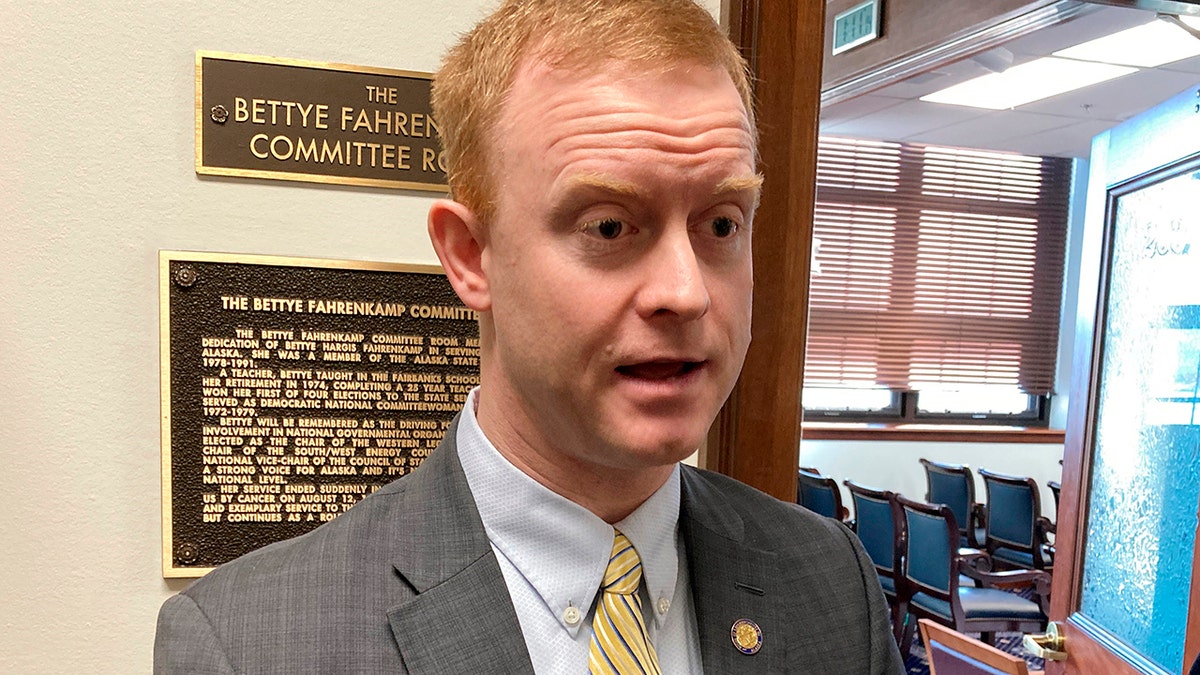
In a moment that has left Alaskans and advocates for child safety deeply shaken, a state lawmaker’s callous remark about a fatal case of child abuse has sparked widespread outrage. The incident, which occurred during a legislative session earlier this month, has drawn sharp criticism from across the political spectrum, with calls for accountability and systemic change in how children are protected.
The lawmaker, identified only as Rep. Sarah Thompson for privacy reasons, was speaking on a unrelated bill when she paused to address a recent tragedy involving a child who died due to suspected abuse. Instead of expressing sympathy or calling for stronger protections, Thompson allegedly asked, “Why don’t these parents just do their jobs?” The comment was met with stunned silence in the chamber and quickly went viral online, where it has been widely condemned.
Advocacy groups, including the Alaska chapter of Child Protective Services, have since called her remarks “irresponsible” and “insensitive.” They argue that such statements not only trivialize the suffering of abused children but also send a dangerous message to vulnerable families. “Our leaders should be advocating for policies that protect children, not blaming parents who are already grieving,” said Rachel Green, executive director of the Alaska Children’s Trust.
The incident has also raised questions about the broader context of child abuse in Alaska, where rates of maltreatment and neglect remain higher than the national average. According to data from the Centers for Disease Control and Prevention (CDC), Alaska ranks among the top states for cases of child abuse-related fatalities. Advocates say that systemic issues, such as a lack of resources for low-income families and underfunded social services, contribute significantly to these numbers.
Thompson’s office has not issued an official statement addressing her remarks, but some observers speculate that she may face disciplinary action from the Ethics Committee. Meanwhile, public pressure is growing for lawmakers to prioritize child safety by supporting measures like universal access to prenatal care, affordable housing, and expanded early intervention programs.
For many Alaskans, this moment serves as a stark reminder of how far the state has yet to go in protecting its most vulnerable citizens. “Every child deserves to grow up safe and supported,” said Green. “It’s not enough to just talk about these issues; we must act.” As public scrutiny intensifies, the hope is that this tragedy will serve as a turning point—a catalyst for meaningful change in how Alaska cares for its children.
About the Author:
Luis Rocha is Science Correspondent at our publication. Luis brings a unique perspective to global health and science reporting, blending scientific expertise with journalistic storytelling.
 Aisha is an award-winning journalist with a focus on cultural narratives and social justice. Her work explores how local traditions intersect with global dynamics.
 A tech enthusiast and data journalism pioneer, Carlos uses innovative storytelling techniques to uncover trends in global technology and its societal impacts.
 With over 15 years of experience in global journalism, Emily has led award-winning investigative teams and set the editorial direction for numerous publications. Her expertise lies in fostering impactful storytelling that connects diverse communities.
 Fatima is a rising star in investigative journalism, with a focus on uncovering stories that affect marginalized communities. Her work spans South Asia and beyond.
 Hina is a multimedia journalist with a focus on migration and displacement. Her work uses visual storytelling to highlight the human side of global movements.
 Luis brings a unique perspective to global health and science reporting, blending scientific expertise with journalistic storytelling.