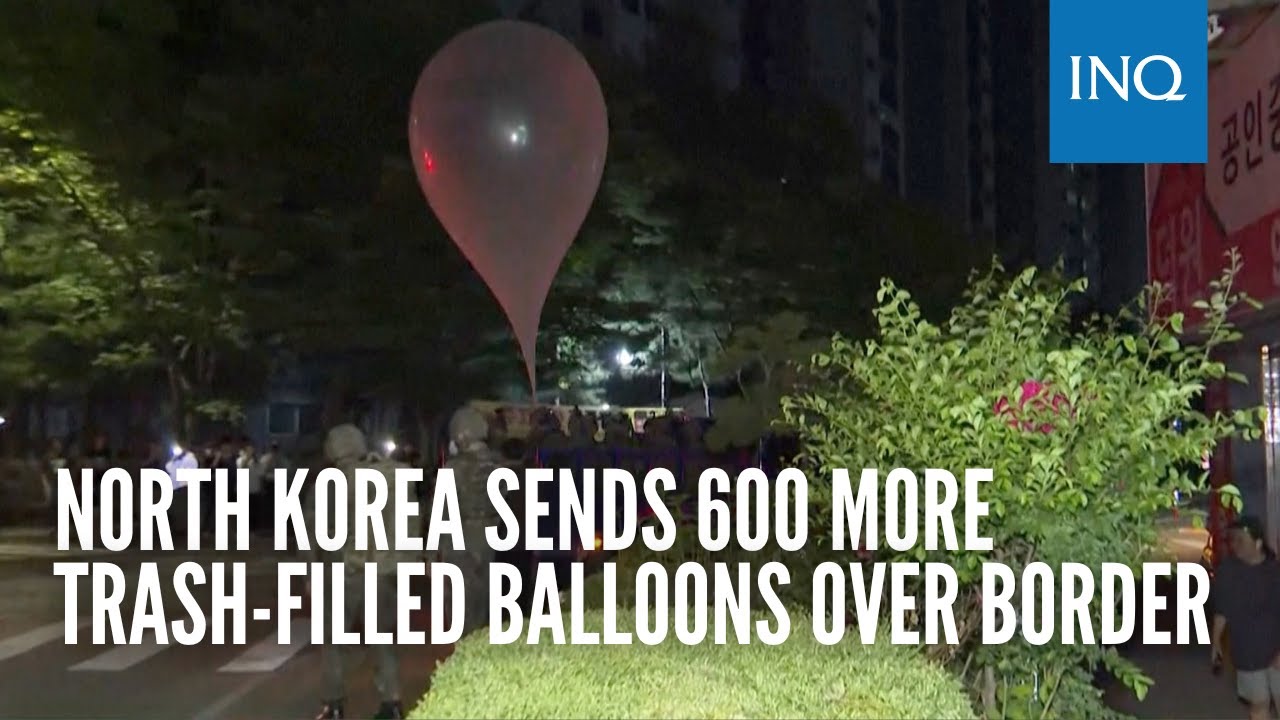
The wind carried them across the border, those balloons of trash, a eerie spectacle against the gray sky. They floated like ghostly messengers, silent but insistent, carrying with them the detritus of life from a closed-off world. For years, North Korea’s waste had been a whispered problem, a growing mountain of refuse that no one dared to confront. But now, it was spilling over, riding the currents of air and water, into neighboring countries, into the headlines, and onto the radar of the international community.
The story of North Korea’s rubbish war is one of unintended consequences, of a system stretched thin by decades of isolation and mismanagement. It is a tale of borders being redrawn not by treaties or fences but by the invisible forces of wind and currents, carrying with them the discarded remnants of human life. And it is a story that touches on some of the most pressing issues of our time: environmental justice, cross-border cooperation, and the human cost of political ideologies.
In the shadows of the Hermit Kingdom, where information flows are tightly controlled and borders are heavily guarded, waste management has long been an afterthought. The country’s infrastructure, creaking under the weight of sanctions and decades of economic mismanagement, has left its people struggling to meet even basic needs. But as the piles of garbage grow taller, they are beginning to spill over into neighboring countries, raising concerns about environmental health and sparking tensions between nations.
For South Korea, already deeply entwined with North Korea’s fate through family reunifications and cross-border trade, the issue of waste management has become a new front in an unspoken conflict. For China, which shares a long border with North Korea, it is a growing headache, as refuse flows into its territory via rivers and wind currents. And for international organizations, it is a call to action, a reminder that no country’s problems can be entirely contained within its borders.
But beyond the geopolitical implications lies a human story. The waste crisis in North Korea is not just about mountains of garbage or floating balloons; it is about the people who live and work among this refuse, their health and livelihoods at risk. It is about the children who play in contaminated rivers, the families who rely on land that may be poisoned, and the communities that are left to grapple with a problem they did not create.
As I walked through the rural areas near the border, speaking with locals who had never spoken to a foreign journalist before, their stories painted a grim picture. They described how waste from North Korea’s cities had begun to appear in their fields, how the air smelled strange, and how their animals were falling ill. They spoke of the fear that has accompanied the rubbish—fear of what it means for their lives, their health, and their future.
Yet amidst this gloom, there are glimmers of hope. Grassroots initiatives, often led by women, are beginning to emerge, working to clean up the mess and advocate for better waste management practices. International organizations are stepping in with funding and expertise, recognizing that solving North Korea’s rubbish problem is not just a matter of environmental health but also of peace and stability.
The rubbish war may seem like an unlikely battleground for progressive values, but it highlights the interconnectedness of our world and the need for collective action. It reminds us that even in the most isolated corners of the globe, human ingenuity, compassion, and cooperation can make a difference.
As I left the region, the image of those balloons of trash remained in my mind—a stark reminder of how much work still needs to be done. But it also gave me hope. For every problem we face, no matter how daunting, there is always a solution waiting to be discovered, if only we are willing to look beyond borders and embrace the humanity that binds us all.
About the Author:
Hina Saeed is Multimedia Journalist at our publication. Hina is a multimedia journalist with a focus on migration and displacement. Her work uses visual storytelling to highlight the human side of global movements.
 Aisha is an award-winning journalist with a focus on cultural narratives and social justice. Her work explores how local traditions intersect with global dynamics.
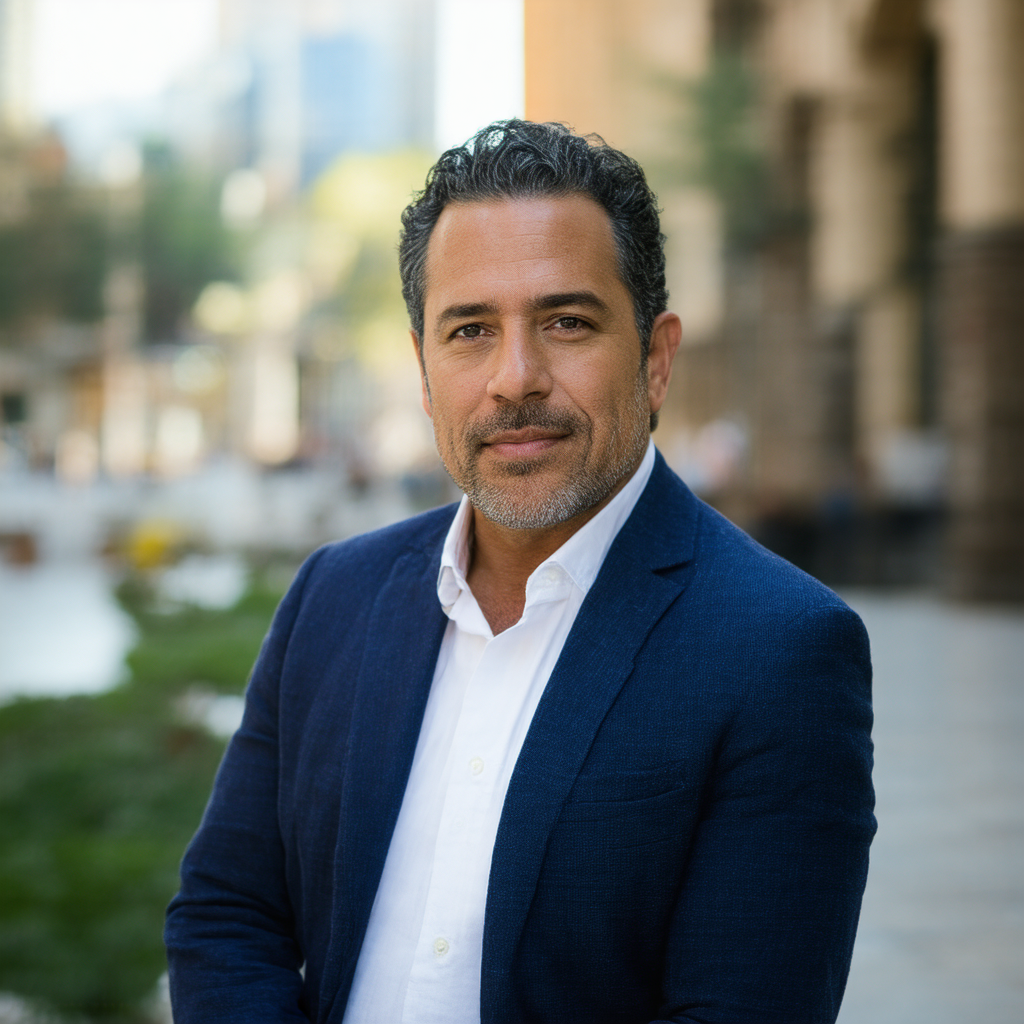 A tech enthusiast and data journalism pioneer, Carlos uses innovative storytelling techniques to uncover trends in global technology and its societal impacts.
 With over 15 years of experience in global journalism, Emily has led award-winning investigative teams and set the editorial direction for numerous publications. Her expertise lies in fostering impactful storytelling that connects diverse communities.
 Fatima is a rising star in investigative journalism, with a focus on uncovering stories that affect marginalized communities. Her work spans South Asia and beyond.
 Hina is a multimedia journalist with a focus on migration and displacement. Her work uses visual storytelling to highlight the human side of global movements.
 Luis brings a unique perspective to global health and science reporting, blending scientific expertise with journalistic storytelling.