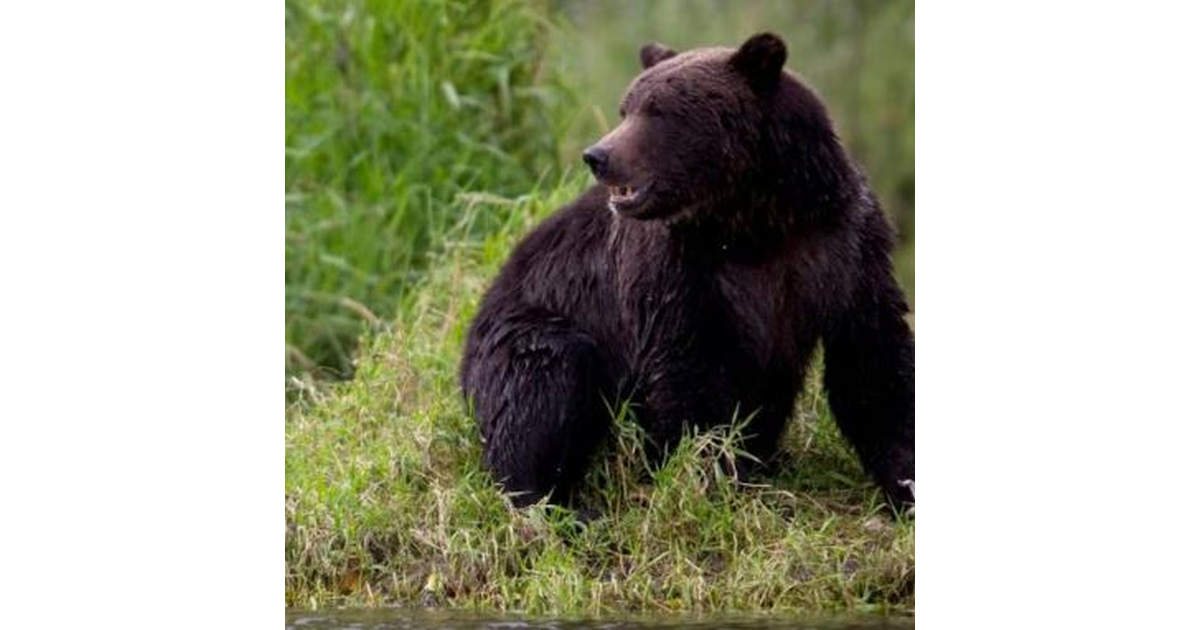
A Teacher’s Encounter with a Grizzly: A Call for Ethical Stewardship in Wildlands
Introduction: A Brush with the Wild
In an incident that has sparked both concern and reflection, a dedicated teacher found themselves face-to-face with a grizzly bear in a encounter that underscored the delicate balance between human presence and wildlife in wild lands. This story is not just one of survival but a poignant reminder of our ethical responsibilities toward the natural world.
The Incident: A Grizzly’s Warning
The attack occurred during a routine hike, where the teacher was guiding students through the wilderness. What began as an educational excursion turned into a moment of stark reality when the grizzly charged. Thankfully, the teacher acted swiftly, using bear spray to deter the animal and ensure the group’s safety.
This incident is part of a growing trend of human-wildlife conflicts in regions where urban expansion encroaches on natural habitats. As we alter landscapes, wildlife like grizzlies are forced into closer contact with humans, leading to inevitable confrontations.
Context: The Larger Picture
The rise in such encounters highlights the broader issue of habitat fragmentation and climate change. These factors push bears and other animals into unfamiliar territories, increasing the risk of interaction with humans. It’s a stark illustration of how our actions impact wildlife and their habitats.
Ethical Reflections: Balancing Needs
The attack prompts us to question our role in these shared landscapes. Should we retreat to protect the bears, or find ways to coexist? This dilemma touches on ethical considerations, challenging us to balance human needs with the preservation of wildlife.
Solutions: Paths Forward
To mitigate such conflicts, proactive measures are essential. Enhanced education about wildlife safety can empower individuals, while better land management policies can preserve habitats and reduce human encroachment. Non-lethal deterrents offer a humane alternative to protect both people and animals.
Conclusion: Stewardship in the Wild
The teacher’s encounter serves as a wake-up call, urging us toward ethical stewardship of our wildlands. By fostering coexistence through education, policy, and innovation, we can honor our responsibility to the natural world. This journey requires compassion and foresight, ensuring that future generations can marvel at the beauty and dignity of grizzlies in their rightful domain.
Let this incident inspire collective action, transforming potential conflict into a harmonious relationship with nature.
About the Author:
Carlos Gutierrez is Technology Analyst at our publication. A tech enthusiast and data journalism pioneer, Carlos uses innovative storytelling techniques to uncover trends in global technology and its societal impacts.
 Aisha is an award-winning journalist with a focus on cultural narratives and social justice. Her work explores how local traditions intersect with global dynamics.
 A tech enthusiast and data journalism pioneer, Carlos uses innovative storytelling techniques to uncover trends in global technology and its societal impacts.
 With over 15 years of experience in global journalism, Emily has led award-winning investigative teams and set the editorial direction for numerous publications. Her expertise lies in fostering impactful storytelling that connects diverse communities.
 Fatima is a rising star in investigative journalism, with a focus on uncovering stories that affect marginalized communities. Her work spans South Asia and beyond.
 Hina is a multimedia journalist with a focus on migration and displacement. Her work uses visual storytelling to highlight the human side of global movements.
 Luis brings a unique perspective to global health and science reporting, blending scientific expertise with journalistic storytelling.