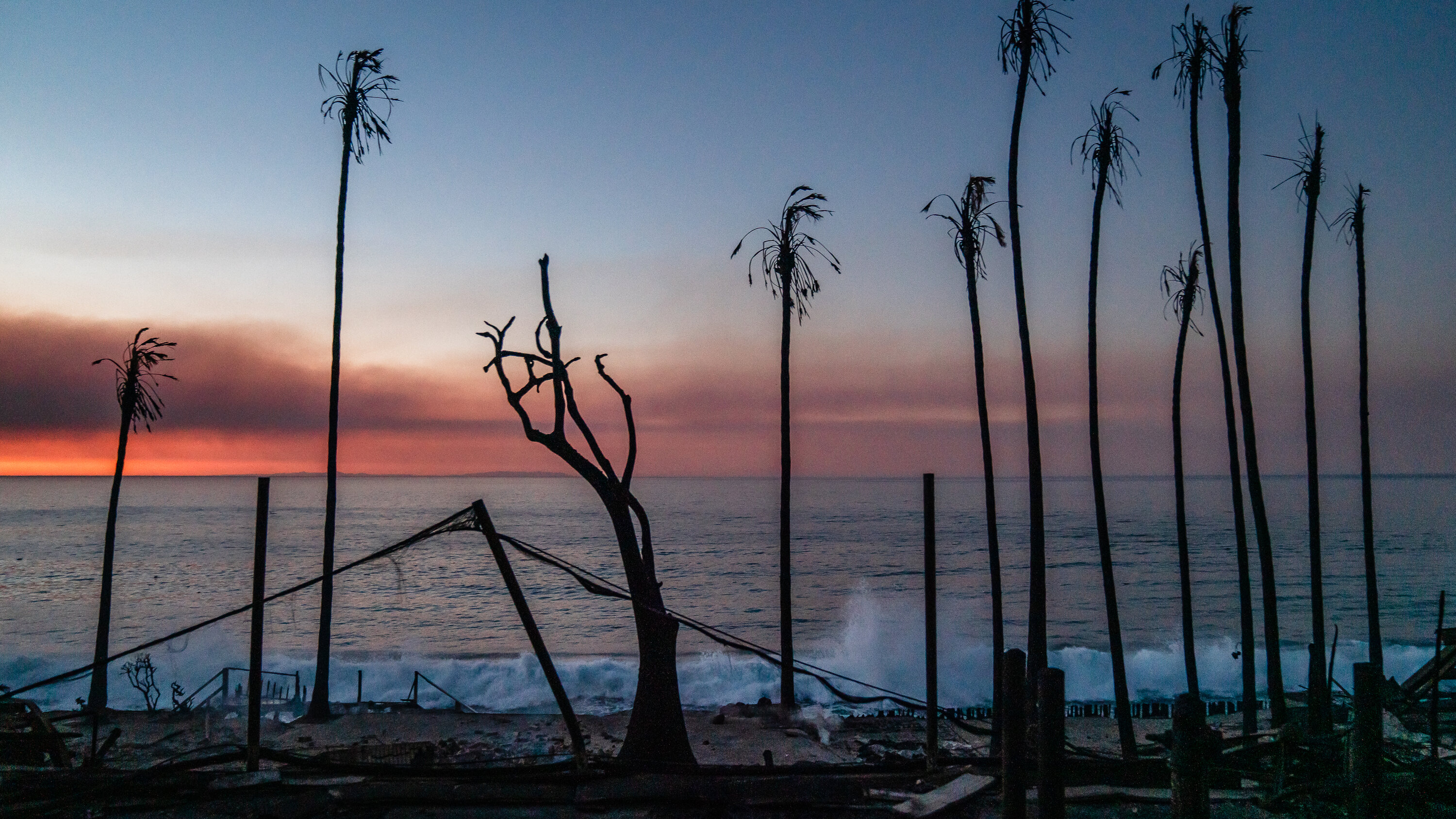
The sun had barely risen over Southern California when the news broke: a record-breaking heatwave had claimed its first victims. By midday, the death toll climbed to double digits, with officials confirming that most of the deceased were elderly residents living in sweltering apartments without access to air conditioning. The tragedy was not an isolated incident but a stark reminder of the growing disparity between those who can adapt to climate change and those left behind.
For years, activists and climate experts have warned of the rising threat of climate injustice—a phenomenon where marginalized communities bear the brunt of environmental crises despite contributing the least to their causes. Southern California, with its sprawling suburbs and entrenched inequalities, has become a microcosm of this global crisis. The region’s largely Latino and Black neighborhoods, often located in urban heat islands, face higher temperatures and limited resources compared to wealthier enclaves like Beverly Hills or Santa Monica.
The recent heatwave was not unexpected. Meteorologists had issued warnings weeks in advance, yet the state’s emergency response seemed inadequate. Shelters were overcrowded, and many residents couldn’t afford the skyrocketing costs of electricity. The lack of accessible cooling centers and insufficient public health outreach compounded an already dire situation. For those living paycheck to paycheck, every passing hour was a battle for survival.
Amidst the chaos, a small group of activists and tech innovators emerged, leveraging data journalism and grassroots organizing to amplify the voices of the affected communities. Using open-source tools, they mapped areas most vulnerable to extreme heat and shared the information with local officials. Social media campaigns flooded with stories of resilience—of neighbors opening their homes to those without shelter, of community centers distributing free water and meals.
But these efforts were a drop in the bucket compared to the systemic failures that allowed such a tragedy to unfold. The lack of affordable housing, inadequate public transportation, and unequal access to healthcare have long been issues in Southern California. Climate change has only exacerbated them. As one activist put it, “This isn’t just about the heat; it’s about who gets to survive.”
The aftermath of the tragedy has sparked a wave of protests, with demands for policy changes that address not just climate change but also the inequities that make communities more vulnerable. Advocacy groups are calling for investments in green infrastructure, expanded access to cooling centers, and reforms to ensure that no one is left behind.
As Southern California continues to grapple with the echoes of this气候 injustice, the question remains: Will the response be one of solidarity or of further neglect? The region’s future hangs in the balance, a reminder that climate change is not just an environmental issue—it’s a social justice imperative.
About the Author:
Carlos Gutierrez is Technology Analyst at our publication. A tech enthusiast and data journalism pioneer, Carlos uses innovative storytelling techniques to uncover trends in global technology and its societal impacts.
 Aisha is an award-winning journalist with a focus on cultural narratives and social justice. Her work explores how local traditions intersect with global dynamics.
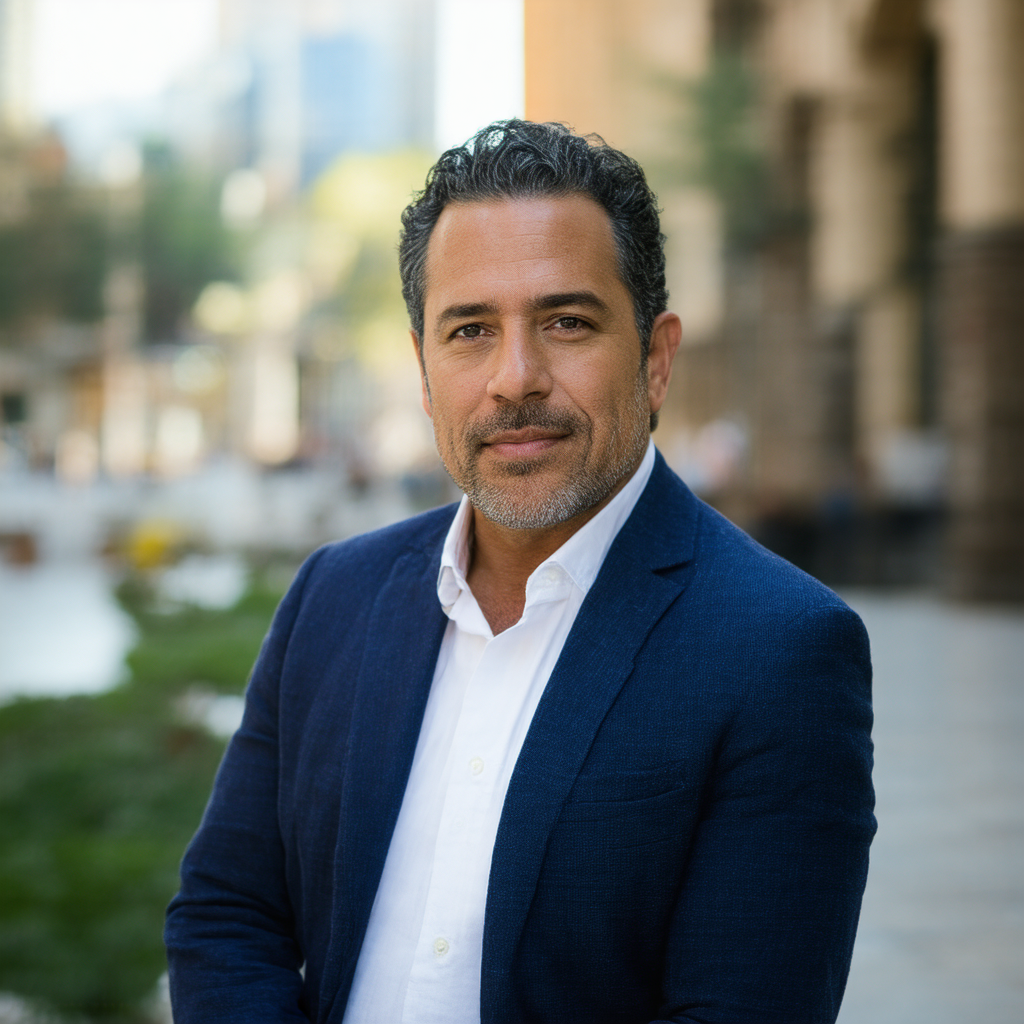 A tech enthusiast and data journalism pioneer, Carlos uses innovative storytelling techniques to uncover trends in global technology and its societal impacts.
 With over 15 years of experience in global journalism, Emily has led award-winning investigative teams and set the editorial direction for numerous publications. Her expertise lies in fostering impactful storytelling that connects diverse communities.
 Fatima is a rising star in investigative journalism, with a focus on uncovering stories that affect marginalized communities. Her work spans South Asia and beyond.
 Hina is a multimedia journalist with a focus on migration and displacement. Her work uses visual storytelling to highlight the human side of global movements.
 Luis brings a unique perspective to global health and science reporting, blending scientific expertise with journalistic storytelling.