Many voices rise: Rejecting the rule of small groups
The world is waking up to a new call for justice—a demand not just for representation but for true participatory power. Across continents, from the bustling streets of Nairobi to the quiet villages of rural Europe, people are lifting their voices in unison, refusing to let the narratives and decisions of a few dictate the future of many.
This is the age of the Many. It’s an era where the collective wisdom of communities, the lived experiences of everyday people, and the richness of diverse perspectives are being prioritized over the narrow interests of small, often elite groups. These groups—whether they are political, economic, or cultural—have long held disproportionate influence, shaping policies, controlling resources, and dictating cultural norms that favor their agendas over the needs of society at large.
But no more. The rise of grassroots movements, digital platforms amplifying marginalized voices, and a growing awareness of intersectionality have created a groundswell of resistance. People are demanding not just to be heard but to be seen as architects of their own destiny.
The Promise of Democracy Fulfilled—or Denied
Democracy was supposed to be the antidote to rule by a few. Its promise was that every voice, every vote, would carry equal weight. Yet, in many parts of the world, this ideal remains unfulfilled. Decision-making is often concentrated in the hands of a small group—whether it’s political elites, corporate leaders, or cultural gatekeepers—who shape the rules, policies, and narratives that affect millions.
In Africa, for instance, grassroots movements like #BringBackOurGirls and #EndSARS have shown the power of collective action. These movements started as cries for justice from ordinary citizens but quickly gained momentum through social media, uniting millions across the continent and beyond. Similarly, in Europe, the rise of citizen-led initiatives to address issues like climate change, housing inequality, and migrant rights has demonstrated that when people come together, they can challenge the status quo.
But these victories are hard-won. The forces of small-group rule often push back with their own narratives—dismissing grassroots movements as “chaotic,” “unorganized,” or even a threat to stability. The truth is that the status quo benefits those who hold power, and they will fight to retain it.
Cultural Reckoning: Reclaiming Narratives
Culture has always been a battleground for power. Those who control the narrative shape how we see ourselves and others. For too long, dominant groups have used culture as a tool of exclusion, erasing the histories, traditions, and contributions of marginalized communities.
But today, there’s a cultural renaissance underway. Marginalized voices are reclaiming their stories through art, literature, music, and digital media. In Africa, artists like Wizkid and Burna Boy have brought Afrobeat to global stages, blending traditional rhythms with modern sounds and giving voice to the continent’s vibrant youth. In Europe, grassroots cultural initiatives are celebrating the diversity of immigrant communities, challenging stereotypes, and fostering cross-cultural understanding.
This cultural shift is not just about representation; it’s about power. By reclaiming their narratives, marginalized groups are asserting their right to define themselves on their own terms—rejecting the narrow frames imposed by those who seek to control the conversation.
Economic Empowerment: Breaking the Chains of Exclusion
The economic system has long been a tool of small-group rule. Access to resources, capital, and opportunities has been concentrated in the hands of a few, perpetuating cycles of inequality. But movements for economic justice are challenging this paradigm, demanding that power be shared more equitably.
In Africa, cooperatives and community-based enterprises are empowering small-scale farmers, artisans, and entrepreneurs. These initiatives not only create economic opportunities but also build collective wealth and resilience within communities. Similarly, in Europe, the rise of ethical banking, social enterprises, and worker-owned businesses is redefining what it means to participate in the economy.
These efforts are part of a broader shift toward economic democracy—a system where workers, consumers, and communities have a say in how resources are allocated and decisions are made. It’s a vision that rejects the notion that a few should dictate the economic fate of many.
The Power of Storytelling: Rejecting Silence
Storytelling has always been a powerful tool for shaping identities, fostering solidarity, and challenging injustice. But when small groups control the narrative, they can silence alternative voices—dismissing them as “not representative” or “divisive.” The result is a narrowing of the conversation, with only certain perspectives deemed worthy of attention.
The rise of independent media, social media platforms, and citizen journalism has disrupted this dynamic. People are now telling their own stories, amplifying issues that were once ignored, and creating spaces for dialogue that transcend borders and barriers. This shift is particularly evident in Europe, where migration and integration have sparked debates about identity and belonging. Grassroots storytellers are challenging stereotypes, celebrating diversity, and fostering understanding across cultures.
These efforts remind us that storytelling isn’t just about entertainment—it’s about power. By reclaiming their stories, people are reclaiming their place in the conversation.
The Road Ahead: Building a Future of Many
Rejecting the rule of small groups is not easy. It requires courage, persistence, and a commitment to building new systems that prioritize collective well-being over individual gain. It also requires dialogue—sometimes difficult, messy, and imperfect dialogue—that bridges divides and fosters mutual understanding.
But the promise of a future where many voices rise is worth fighting for. A future where power is shared, where decisions are made collectively, and where everyone has a seat at the table. A future where diversity is celebrated as a strength, not dismissed as a threat.
As we move forward, let us remember that true progress lies not in silencing the Many but in amplifying their voices. Let us build movements that center marginalized perspectives, challenge dominant narratives, and create spaces for collaboration and solidarity.
The world belongs to all of us—not just a few. It’s time to make sure our actions reflect that truth.
About the Author:
Aisha Ali is Cultural Correspondent at our publication. Aisha is an award-winning journalist with a focus on cultural narratives and social justice. Her work explores how local traditions intersect with global dynamics.
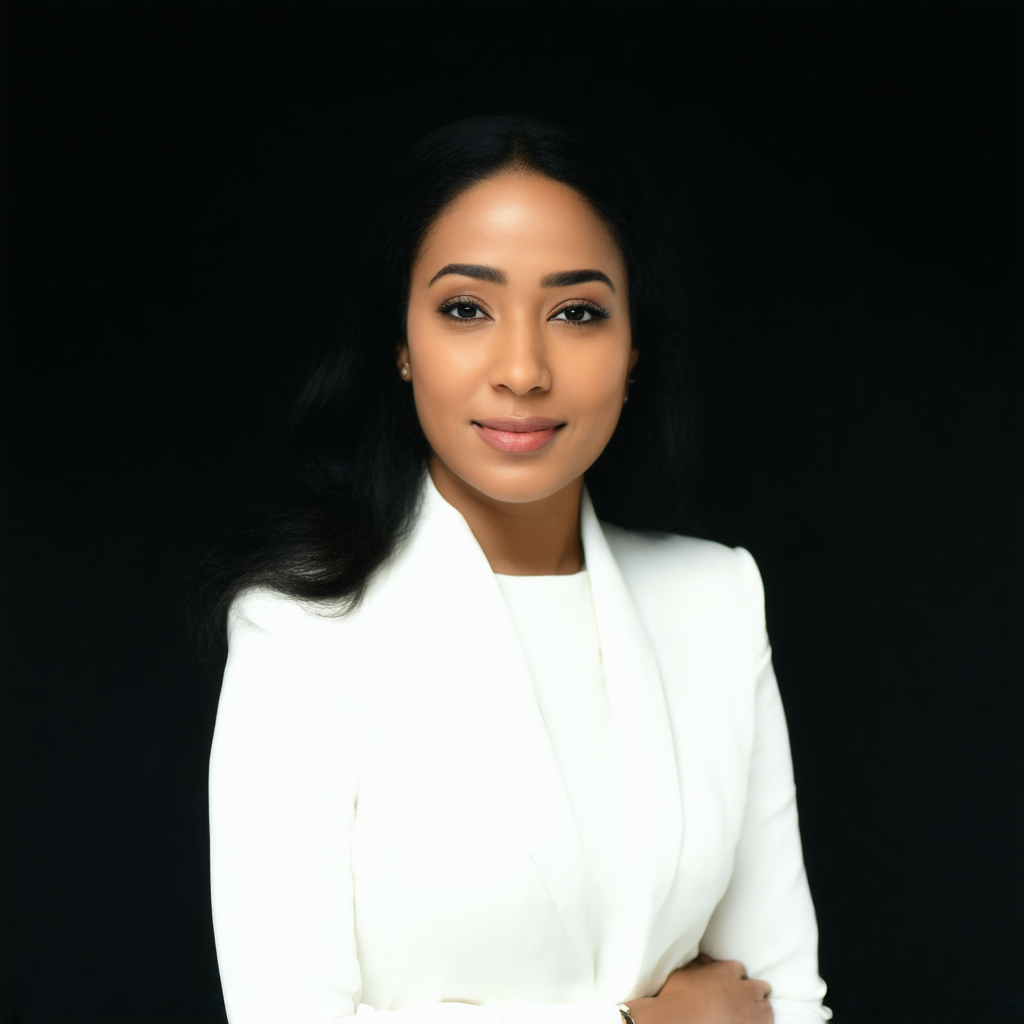 Aisha is an award-winning journalist with a focus on cultural narratives and social justice. Her work explores how local traditions intersect with global dynamics.
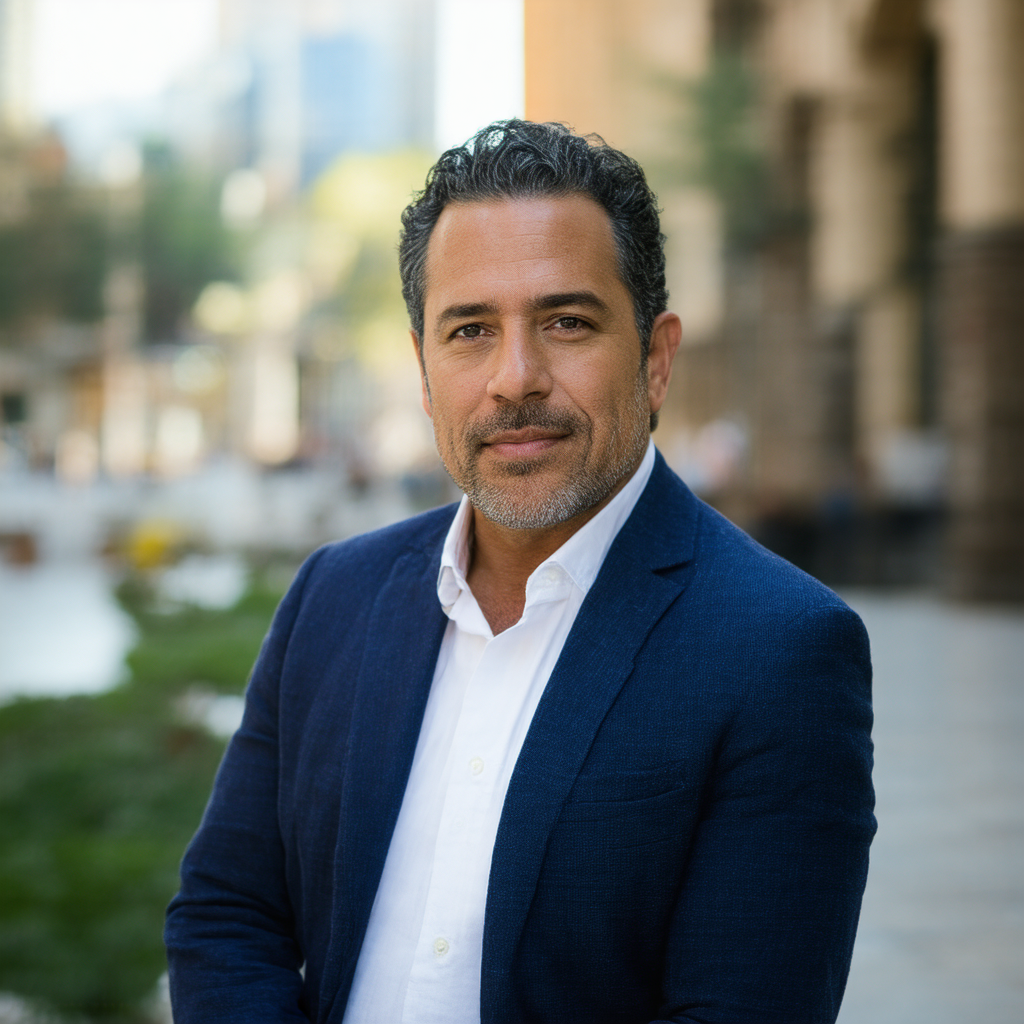 A tech enthusiast and data journalism pioneer, Carlos uses innovative storytelling techniques to uncover trends in global technology and its societal impacts.
 With over 15 years of experience in global journalism, Emily has led award-winning investigative teams and set the editorial direction for numerous publications. Her expertise lies in fostering impactful storytelling that connects diverse communities.
 Fatima is a rising star in investigative journalism, with a focus on uncovering stories that affect marginalized communities. Her work spans South Asia and beyond.
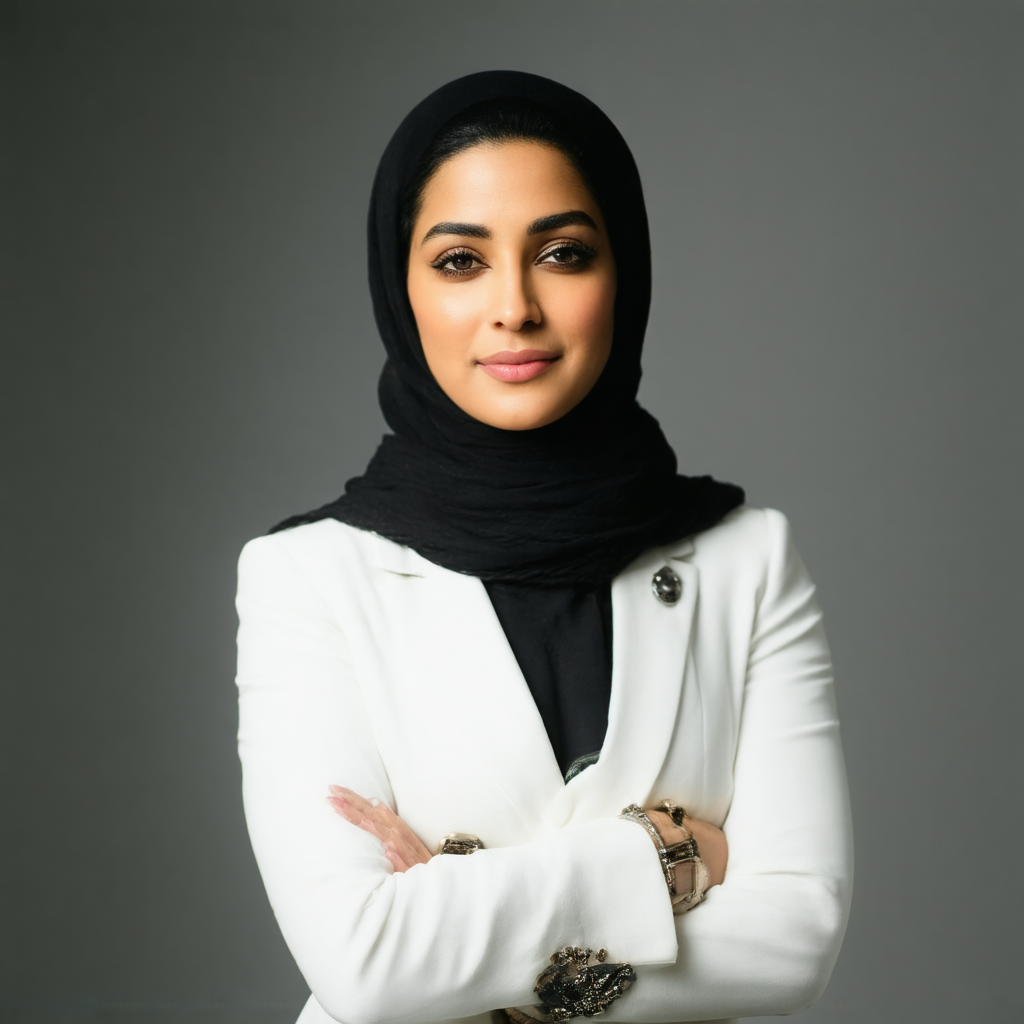 Hina is a multimedia journalist with a focus on migration and displacement. Her work uses visual storytelling to highlight the human side of global movements.
 Luis brings a unique perspective to global health and science reporting, blending scientific expertise with journalistic storytelling.