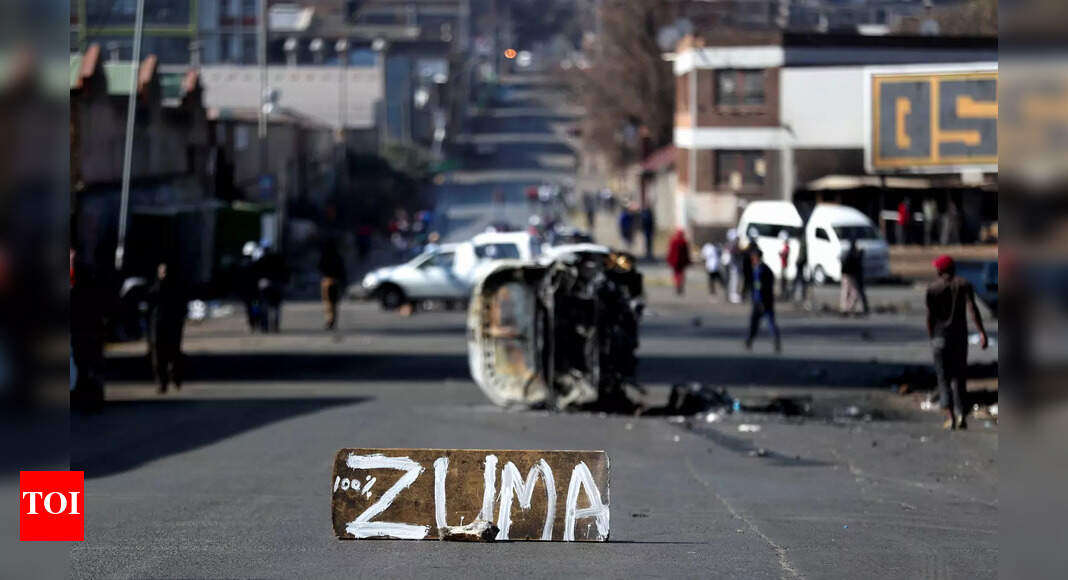
South Africa’s political landscape has long been a tapestry of promise and peril, a nation birthed from the crucible of apartheid but still grappling with its aftermath. The jailing of Jacob Zuma, the former president who was impeached in 2018, is not merely a legal milestone but a stark reflection of the systemic rot that has festered beneath the surface of this democracy. His incarceration, following years of corruption charges and allegations of state capture, exposes the tangled web of power, money, and privilege that continues to strangle the country.
Zuma’s story is not unique; it is a symptom of a deeper malaise that has infected South Africa’s institutions. From the controversial arms deal in the 1990s to the multi-billion-dollar corruption scandals involving entities like the Guptas and the State Capture Report, Zuma’s case shines a light on how easily power can be weaponized in a democracy. The systemic nature of these abuses is not lost on South Africans, many of whom see their daily lives shaped by inequality, unemployment, and inadequate public services.
The jailing of Zuma has sparked mixed reactions—protests, celebrations, and calls for accountability. For some, it represents a step toward justice; for others, it underscores the broader failure of institutions to hold power to account. The #MustFall movement, which gained momentum during his presidency, was a clarion call for transparency and an end to corruption. Yet, as Zuma’s imprisonment makes clear, real change requires more than symbolic gestures. It demands a reckoning with the systems that allow such abuses to occur in the first place.
At the heart of South Africa’s chaos is the persistent inequality that defines its society. Despite the promise of “rainbow nation” rhetoric, the country remains starkly divided along racial and economic lines. The legacy of apartheid lives on in the form of poverty, unemployment, and lack of access to education and healthcare. While Zuma’s jailing may seem like a victory for justice, it is a hollow one if not accompanied by meaningful efforts to address these systemic inequities.
The role of technology in this unfolding drama cannot be ignored. In an era where social media amplifies both the voices of the people and the lies of the powerful, South Africans are increasingly navigating a digital landscape that mirrors their offline reality—fraught with misinformation and manipulation. The rise of tech-savvy politicians and the spread of fake news have further complicated the already messy political terrain.
And then there is the question of youth. Disillusioned by a system that offers them few opportunities, young South Africans are increasingly mobilizing—not just through traditional protests but through digital platforms and new forms of activism. Their energy and creativity hold the key to imagining a different future, one where technology and innovation can be harnessed for social good rather than division.
As South Africa stands at this crossroads, the lessons from Zuma’s jailing are clear. True peace and progress cannot be achieved through selective justice or half-measures. They require a commitment to root out corruption, address inequality, and build institutions that are responsive to the needs of all citizens—not just the elite. It is a challenge not just for South Africans but for anyone who believes in the power of systems to shape a better world.
In the end, Zuma’s jailing is a reminder that no one is above the law—not even a former president. But it is also a call to action. The chaos that defines South Africa today is not inevitable; it is a choice. A choice to continue down the path of division and inequality or to build a future grounded in justice, equity, and shared humanity.
About the Author:
Aisha Ali is Cultural Correspondent at our publication. Aisha is an award-winning journalist with a focus on cultural narratives and social justice. Her work explores how local traditions intersect with global dynamics.
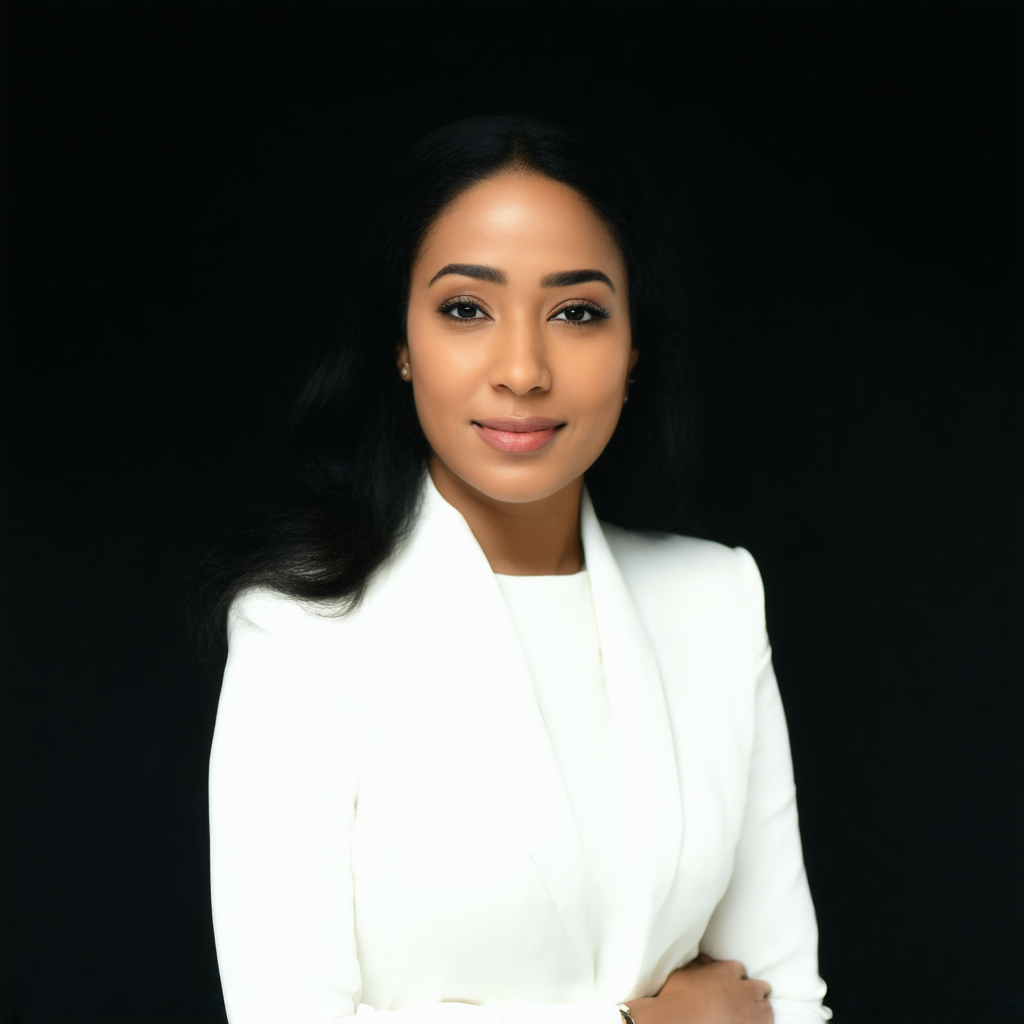 Aisha is an award-winning journalist with a focus on cultural narratives and social justice. Her work explores how local traditions intersect with global dynamics.
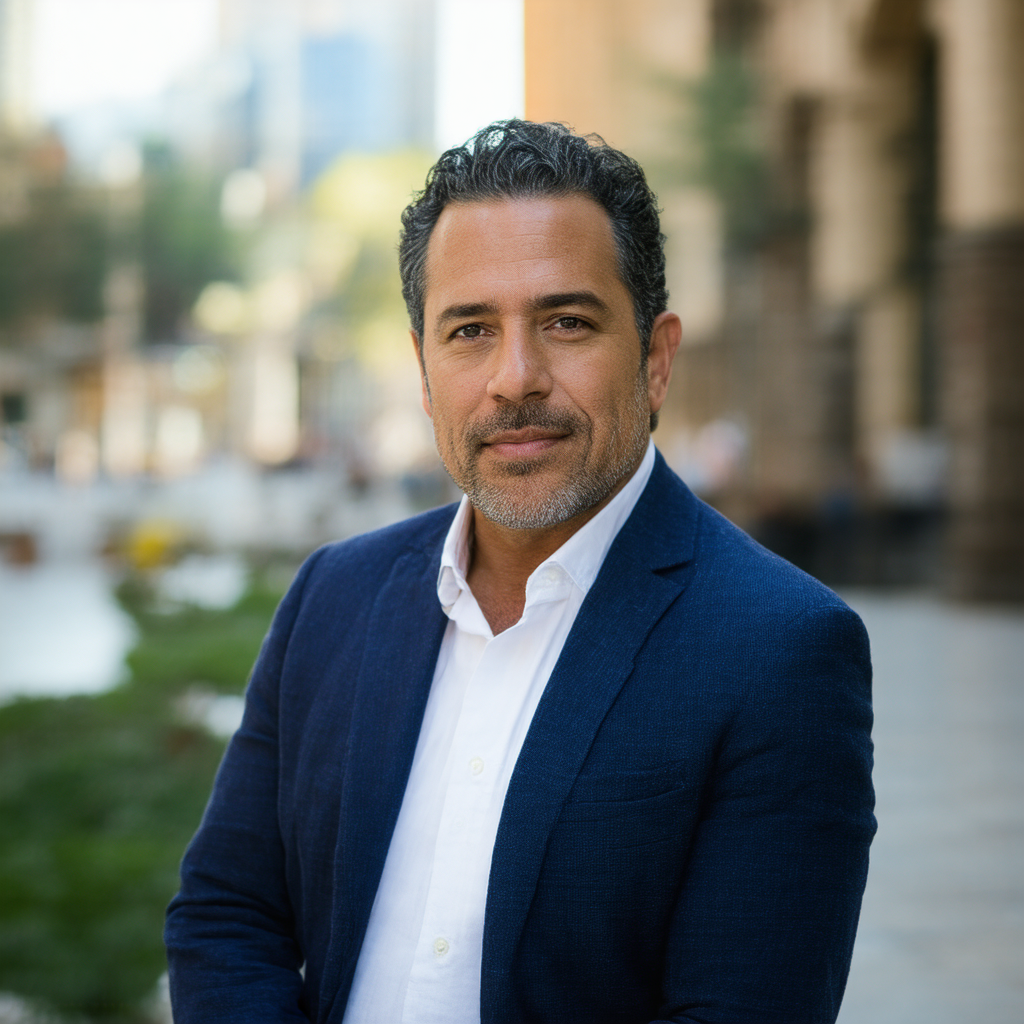 A tech enthusiast and data journalism pioneer, Carlos uses innovative storytelling techniques to uncover trends in global technology and its societal impacts.
 With over 15 years of experience in global journalism, Emily has led award-winning investigative teams and set the editorial direction for numerous publications. Her expertise lies in fostering impactful storytelling that connects diverse communities.
 Fatima is a rising star in investigative journalism, with a focus on uncovering stories that affect marginalized communities. Her work spans South Asia and beyond.
 Hina is a multimedia journalist with a focus on migration and displacement. Her work uses visual storytelling to highlight the human side of global movements.
 Luis brings a unique perspective to global health and science reporting, blending scientific expertise with journalistic storytelling.