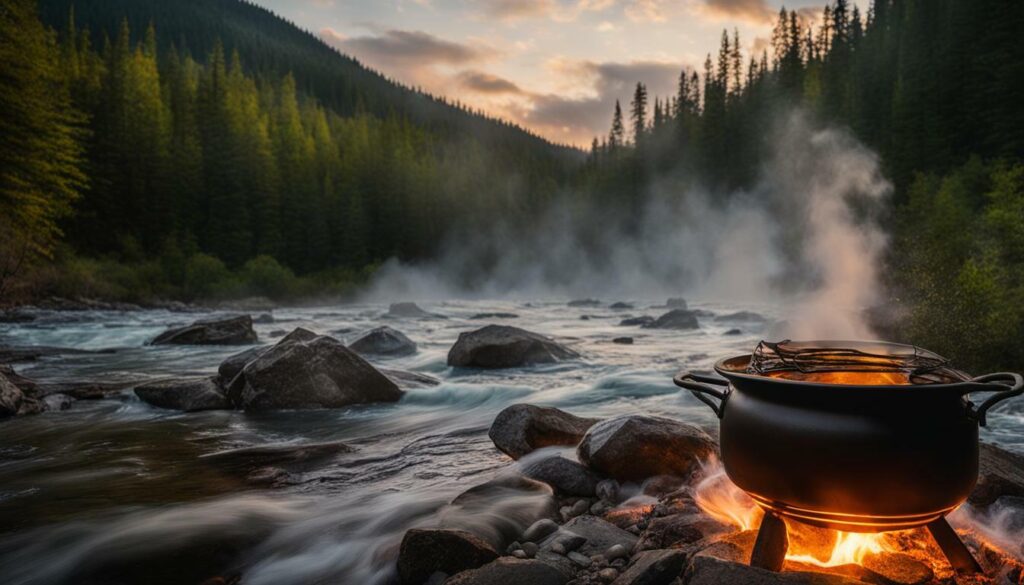
The air was thick with the scent of brewing coffee as I sat in a cramped café in Amman, Jordan. The hum of conversation around me was a symphony of resilience—a reminder that even amidst conflict, life finds a way to thrive. This is where survival chemistry comes alive, not just in the labs of scientists, but in the kitchens, streets, and markets of the Middle East.
In this region, survival often hinges on the ability to adapt, innovate, and find creative solutions in the face of adversity. It’s a chemistry that blends grassroots resistance with technological ingenuity, turning everyday objects into tools of empowerment. From the cafes where activists plot their next move to the laboratories where researchers develop groundbreaking technologies, the Middle East is a crucible of creativity and defiance.
The Art of Subtle Resistance
In Damascus, Syria, a bakery becomes more than just a place to buy bread. It’s a hub where political dissent is whispered over freshly baked goods. The scent of yeast rising in the air masks the aroma of revolution, as bakers use their trade to smuggle information and organize protests. Similarly, in Yemen, women gather in informal networks to share recipes for resilience—both literal and figurative.
These are not just acts of survival but acts of resistance. They show how even the most mundane aspects of life can be repurposed into powerful tools for change. The chemistry here is subtle, almost invisible, but no less potent for its quiet strength.
Technology as a Double-Edged Sword
In the digital age, technology has become a double-edged sword. On one hand, it offers unprecedented opportunities for connection and collaboration. Social media platforms have become battlegrounds for free expression, where activists can amplify their voices despite government crackdowns.
But the same tools that enable resistance also pose risks. In Cairo, Egypt, cybersecurity experts work tirelessly to protect dissidents from state-sponsored hacking. They develop encryption methods and anonymous communication channels, turning the art of survival into a high-tech game of cat and mouse.
The chemistry here is one of adaptation—of finding ways to leverage technology without falling victim to its pitfalls. It’s a delicate balance, but one that holds immense promise for those willing to embrace it.
The Environment as an Ally
Environmental challenges have become an unexpected ally in the struggle for survival. In the deserts of Saudi Arabia, activists are turning to renewable energy as a means of defiance. Solar panels provide both power and protection, allowing communities to reduce their dependence on state-controlled resources.
Water scarcity has also become a focal point for innovation. Across the region, grassroots initiatives are developing low-cost water purification systems, transforming waste into a resource. These efforts not only address immediate needs but also challenge the status quo by demonstrating the potential of collective action.
The chemistry here is one of transformation—of turning environmental limitations into opportunities for resilience and creativity.
The Power of Women’s Voices
In many parts of the Middle East, women are at the forefront of this survival revolution. They use their traditional knowledge to navigate a world that often tries to silence them. From herbal medicine to community organizing, women are weaving together a tapestry of resistance that is both ancient and modern.
Their stories are ones of quiet courage—of finding strength in the face of systemic oppression. Whether it’s through art, education, or activism, women are proving that survival is not just about endurance but about redefining what it means to thrive.
A Global Symphony of Resistance
The lessons from the Middle East resonate far beyond its borders. As climate change and political instability become global challenges, the region’s innovations offer valuable insights. The chemistry of survival is universal—whether in the streets of Beirut or the tech labs of Silicon Valley.
It’s a reminder that resistance is not just a local issue but a global one. By sharing knowledge and collaborating across borders, we can create a future where resilience becomes a collective strength rather than an individual burden.
Looking Ahead
As I left the café in Amman, the sound of laughter lingered in my ears—a testament to the unyielding spirit of the people. The chemistry of survival is not about finding quick fixes but about building a foundation for lasting change. It’s about embracing the messiness of life and finding hope in even the darkest moments.
In the Middle East, the future is being written one small act of resistance at a time. And as long as there are those willing to brew their own revolutions, the struggle for justice will continue. The question now is whether we can all learn to listen to the music of that revolution—and join in.
About the Author:
Mehdi Hassan is Foreign Correspondent (Middle East) at our publication. A seasoned foreign correspondent with a focus on Middle Eastern affairs, Mehdi brings deep insight into conflict zones and political transitions. His work bridges local narratives with global perspectives.
 Aisha is an award-winning journalist with a focus on cultural narratives and social justice. Her work explores how local traditions intersect with global dynamics.
 A tech enthusiast and data journalism pioneer, Carlos uses innovative storytelling techniques to uncover trends in global technology and its societal impacts.
 With over 15 years of experience in global journalism, Emily has led award-winning investigative teams and set the editorial direction for numerous publications. Her expertise lies in fostering impactful storytelling that connects diverse communities.
 Fatima is a rising star in investigative journalism, with a focus on uncovering stories that affect marginalized communities. Her work spans South Asia and beyond.
 Hina is a multimedia journalist with a focus on migration and displacement. Her work uses visual storytelling to highlight the human side of global movements.
 Luis brings a unique perspective to global health and science reporting, blending scientific expertise with journalistic storytelling.