Norway Bridge Collapse: A Tale of Unity and Warning
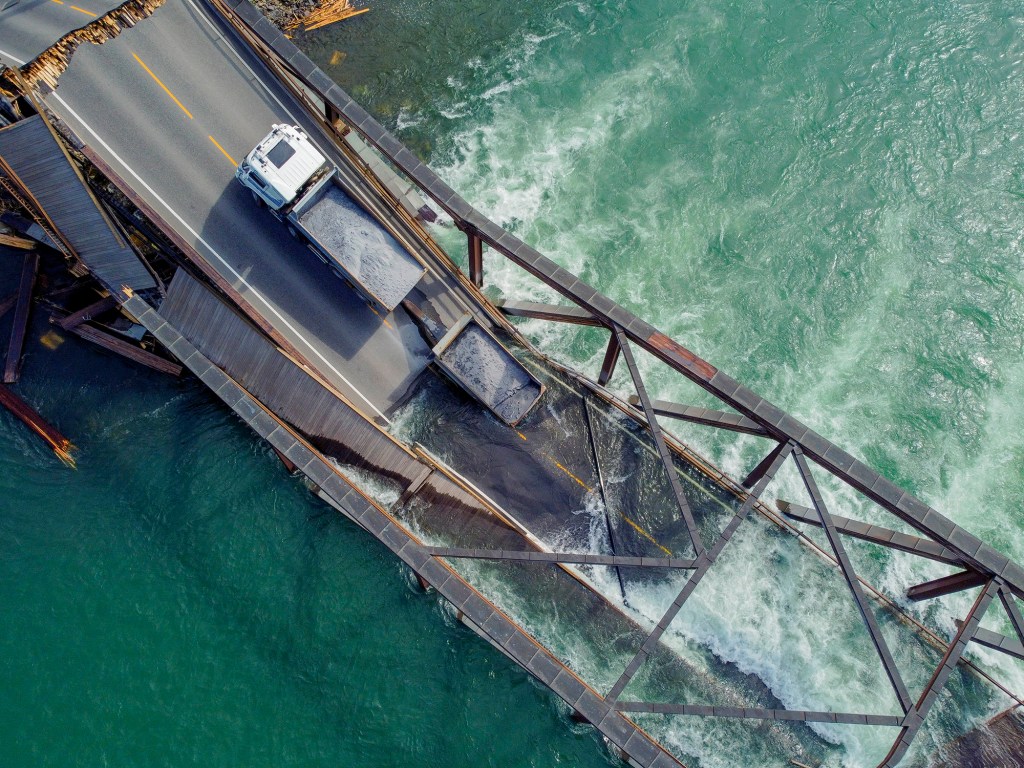
The images were stark: a section of the Saggen Bridge, one of Norway’s most iconic infrastructure projects, collapsing into the icy waters of the Stavanger fjord. The moment, captured in a grainy video, sent shockwaves across the nation. Yet amidst the tragedy, an extraordinary story unfolded—one of human resilience, solidarity, and the of systemic failures that continue to plague modern society.
A Bridge Too Far
The collapse occurred during a routine maintenance operation, triggered by what officials later described as a “catastrophic structural failure.” The bridge, a symbol of Norway’s engineering prowess and connectivity, had been under construction for years, delayed by budget overruns and political squabbles. On that fateful day, workers were performing stress tests when the structure gave way, sending vehicles plunging into the fjord.
The immediate response was heroic. Fishermen from nearby villages risked their lives to rescue those trapped in the freezing waters.Emergency responders worked tirelessly under arctic conditions, their faces etched with determination as they combed through debris for survivors. The world watched in awe,Moved by the unity and bravery of ordinary Norwegians.
Beyond the Headlines
But the story didn’t end there. As investigations began, questions arose about the project’s management.Norway is known for its stringent safety standards, yet this disaster raised troubling questions about oversight and accountability.The collapse exposed deeper cracks in Norway’s infrastructure—many bridges and roads, built decades ago, are in dire need of repair. The incident became a rallying cry for change, with citizens demanding transparency and accountability from their leaders.
The Systemic Divide
The bridge collapse was not just an engineering failure; it was a failure of governance. Whistleblowers had raised concerns about the project’s safety protocols long before the disaster occurred, but their warnings were ignored.Investigators found that cost-cutting measures had compromised critical structural elements.Academics pointed to a broader trend: aging infrastructure in developed nations is often neglected until disaster strikes.
This isn’t just Norway’s problem—it’s a global one. From crumbling roads in the United States to overburdened public transportation systems in Europe, the neglect of essential infrastructure has become a silent crisis. The Saggen Bridge collapse serves as a stark reminder that progress without proper investment and oversight is no progress at all.
Lessons from the Fjord
Amidst the tragedy, there was hope. The Norwegian people demonstrated an extraordinary capacity for resilience and solidarity.In communities across Norway, volunteers organized relief efforts, fundraising campaigns, and vigils for the victims. This outpouring of compassion highlighted the strength of human bonds in times of crisis.
The incident also sparked a national conversation about inequality.Norway’s wealth is often celebrated, but beneath its prosperous surface lies a growing divide between urban and rural areas.Infrastructure investment has historically favored cities, leaving small towns and indigenous communities with inadequate resources. The collapse underscored the urgent need for equitable development policies that address these disparities.
Looking Ahead
The Saggen Bridge will eventually be rebuilt—but not just as it was. Norway’s government has pledged to invest in safer, more sustainable infrastructure projects.Academics and activists are calling for greater accountability in public spending, ensuring that taxpayer money is used responsibly.Norwegians are now demanding a future where progress is measured not by economic growth alone, but by the well-being of all citizens.
The bridge collapse was a disaster, but it also offered a glimmer of hope—a reminder that even in the face of systemic failures, human resilience can prevail. As Norway rebuilds, the lessons from this tragedy must guide us toward a more just and sustainable future—one where no community is left behind, and where progress is built on a foundation of equity and accountability.
About the Author:
Carlos Gutierrez is Technology Analyst at our publication. A tech enthusiast and data journalism pioneer, Carlos uses innovative storytelling techniques to uncover trends in global technology and its societal impacts.
 Aisha is an award-winning journalist with a focus on cultural narratives and social justice. Her work explores how local traditions intersect with global dynamics.
 A tech enthusiast and data journalism pioneer, Carlos uses innovative storytelling techniques to uncover trends in global technology and its societal impacts.
 With over 15 years of experience in global journalism, Emily has led award-winning investigative teams and set the editorial direction for numerous publications. Her expertise lies in fostering impactful storytelling that connects diverse communities.
 Fatima is a rising star in investigative journalism, with a focus on uncovering stories that affect marginalized communities. Her work spans South Asia and beyond.
 Hina is a multimedia journalist with a focus on migration and displacement. Her work uses visual storytelling to highlight the human side of global movements.
 Luis brings a unique perspective to global health and science reporting, blending scientific expertise with journalistic storytelling.