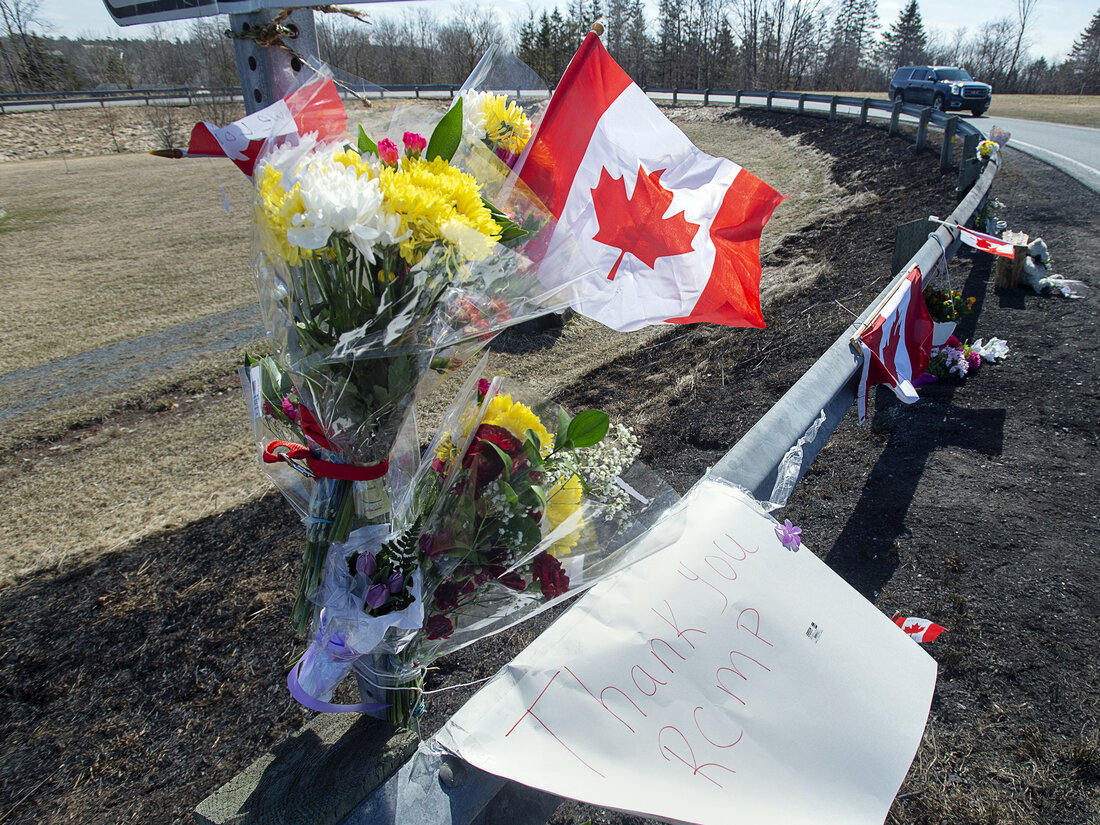
Nova Scotia Mass Shooting: A Tragedy Unveiled
In a quiet corner of Nova Scotia, a small community was shaken by an act of violence that left a trail of grief. The mass shooting in April 2020 became a stark reminder of the vulnerabilities within our law enforcement systems and the need for profound change.
The Tragedy Unfolds
The day began like any other in the rural communities of Nova Scotia, known for their serene landscapes and tight-knit neighborhoods. However, as darkness fell, chaos erupted when a gunman began a relentless attack that would claim 22 lives across several towns. The victims were ordinary people, caught in an unimaginable nightmare.
The RCMP’s Response
As the tragedy unfolded, the Royal Canadian Mounted Police (RCMP) faced intense scrutiny. Questions arose about their response time and communication with victims’ families. Survivors recounted harrowing tales of waiting for rescue that never came, highlighting a failure in the emergency services’ protocol. The delay in official communication left families in the dark, amplifying their distress.
Systemic Failures Exposed
The incident exposed deeper systemic issues within Canada’s law enforcement. Underfunding and resource shortages in rural areas were identified as critical factors. These challenges are not isolated to Nova Scotia but echo across regions reliant on RCMP services. The lack of communication protocols further compounded the problem, revealing outdated strategies that couldn’t cope with modern threats.
Broader Implications
This tragedy is part of a larger narrative affecting law enforcement across Canada. Cuts in funding have led to stretched resources and overworked personnel, particularly in rural areas. Marginalized communities often bear the brunt of these systemic issues, leading to a lack of trust between law enforcement and the public they serve.
A Call for Change
In the aftermath, demands for accountability grew louder. Independent investigations were urged to ensure transparency and prevent future tragedies. Advocates emphasized the need for policy reforms that prioritize community safety and equitable resource distribution. The conversation shifted towards systemic reform and the importance of involving affected communities in shaping these changes.
Moving Forward
The Nova Scotia mass shooting serves as a wake-up call, highlighting the urgent need for introspection and action within law enforcement. By addressing underfunding, improving communication protocols, and fostering community trust, we can build a safer future. This incident underscores the importance of progressive values—accountability, transparency, and equity—in ensuring public safety.
As we honor the victims’ memory, let their loss inspire meaningful reforms, transforming tragedy into a catalyst for change. The road to recovery is long, but it begins with acknowledging past failures and committing to a more just future.
About the Author:
Luis Rocha is Science Correspondent at our publication. Luis brings a unique perspective to global health and science reporting, blending scientific expertise with journalistic storytelling.
 Aisha is an award-winning journalist with a focus on cultural narratives and social justice. Her work explores how local traditions intersect with global dynamics.
 A tech enthusiast and data journalism pioneer, Carlos uses innovative storytelling techniques to uncover trends in global technology and its societal impacts.
 With over 15 years of experience in global journalism, Emily has led award-winning investigative teams and set the editorial direction for numerous publications. Her expertise lies in fostering impactful storytelling that connects diverse communities.
 Fatima is a rising star in investigative journalism, with a focus on uncovering stories that affect marginalized communities. Her work spans South Asia and beyond.
 Hina is a multimedia journalist with a focus on migration and displacement. Her work uses visual storytelling to highlight the human side of global movements.
 Luis brings a unique perspective to global health and science reporting, blending scientific expertise with journalistic storytelling.