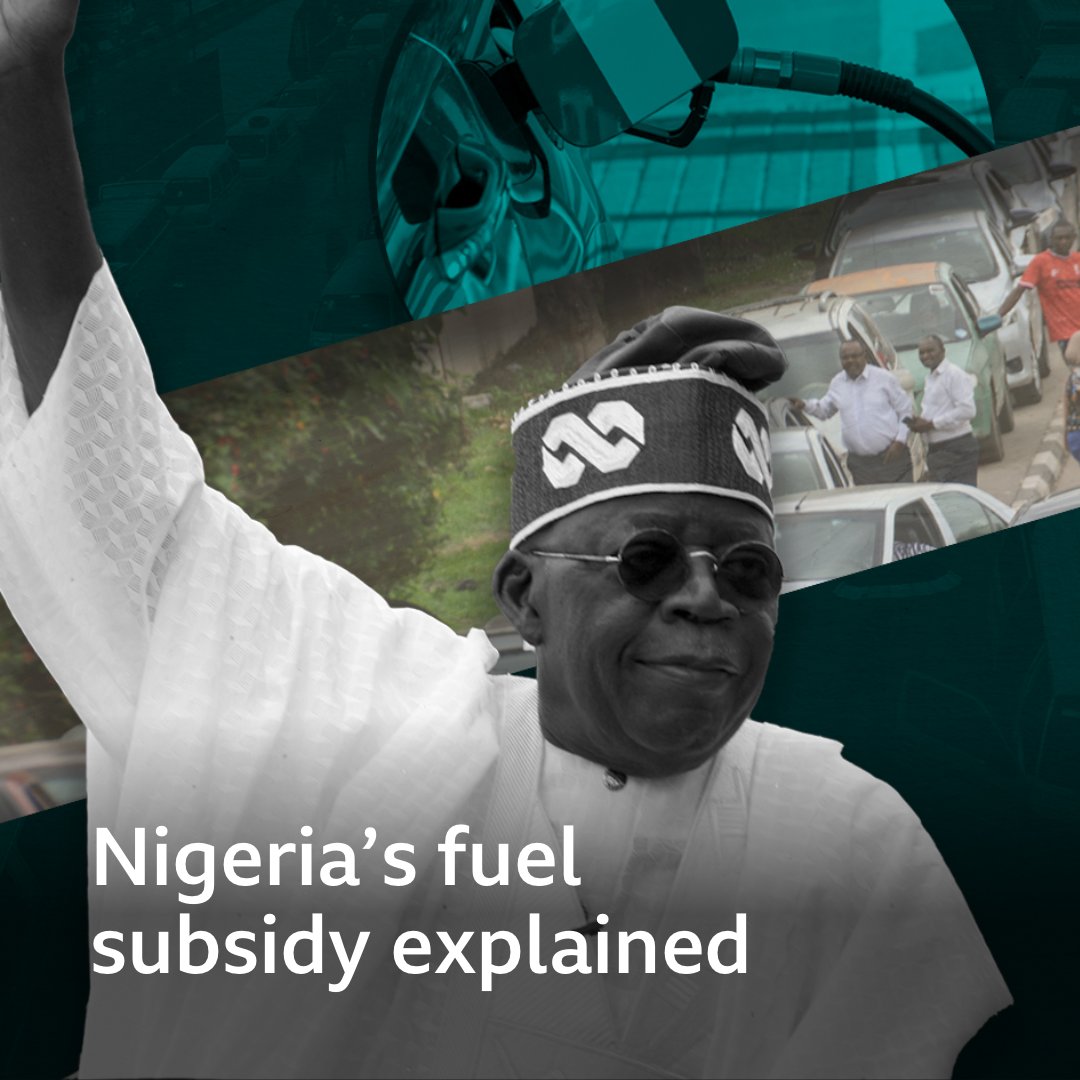
Ending Fuel Subsidies: Austerity Over People in Nigeria
In the bustling streets of Lagos, where life moves at a frenetic pace, the recent decision by President Bola Tinubu to end fuel subsidies has sent shockwaves through communities. The move, aimed at curbing economic deficits and aligning with international lenders’ demands, has been met with widespread criticism. Yet, amidst the political rhetoric and economic forecasts, the human cost of this decision is becoming increasingly evident. For Nigeria’s poor, who already struggle to make ends meet, the removal of fuel subsidies threatens to deepen their suffering.
Fuel Subsidies: A Lifeline for Millions
Fuel subsidies in Nigeria have long been a contentious issue. Intended to keep pump prices affordable, these subsidies provided some relief to low-income households, where cooking gas and transportation costs are critical components of daily budgets. For many Nigerians, especially those in rural areas and urban slums, the price of fuel was often a determining factor in their ability to access basic necessities.
The removal of these subsidies has caused immediate spikes in fuel prices, making it harder for families to afford essential goods and services. Market traders, who are already grappling with rising costs, now face an additional burden. Amina, a trader at a local market in Lagos, shared her struggles: “Before, I could budget for my trips to the market, but now every naira counts. It’s getting harder to provide for my children.” Her story is emblematic of the countless Nigerians who are being forced to make difficult choices between food and fuel.
A Pattern of Neglect
Tinubu’s decision to end fuel subsidies follows a trend set by previous administrations, including that of former President Olusegun Obasanjo. In 2006, Obasanjo also attempted to remove fuel subsidies, sparking widespread protests and unrest. The current government, however, appears undeterred by history. Critics argue that this approach reflects a broader pattern of neglect toward Nigeria’s poor.
Economists warn that the benefits of ending subsidies for the economy as a whole may be minimal, while the human cost will be significant. “The poorest Nigerians spend a larger proportion of their income on fuel,” noted Dr. Chidinma Cagbale, an economist at the University of Nigeria. “Removing subsidies will disproportionately affect them, exacerbating inequality and poverty.”
Civil Society Pushes Back
Civil society groups are mobilizing against the decision, calling for a rethink on economic policies that prioritize austerity over people. Activists argue that instead of cutting subsidies, the government should invest in social safety nets and targeted support programs to cushion the poorest households.
Groups like the Nigerian Labour Congress have been at the forefront of protests, demanding that the government prioritize human needs over fiscal orthodoxy. “We cannot accept a future where basic necessities become unaffordable for the majority,” said Festus Oladipo, a spokesperson for the union. “Economic reforms must go hand in hand with social protections.”
The Need for Progressive Alternatives
The current approach to economic management reflects a broader shift in global policies that favor market-driven solutions over social welfare. Yet, as seen in countries around the world, such approaches often fail to deliver for the poorest citizens.
Progressive policymakers argue that Nigeria needs a different path—one that invests in public services, supports workers, and ensures that economic reforms benefit everyone. Instead of cutting subsidies, the government could consider progressive taxation and wealth redistribution measures to generate revenue. Additionally, investing in renewable energy sources could reduce reliance on expensive fuel imports while creating jobs.
Conclusion
The decision to end fuel subsidies highlights a critical dilemma: whether to prioritize economic elites and international creditors or to safeguard the livelihoods of Nigeria’s poor. As President Tinubu continues to push his agenda, it is essential that he listens to the voices of those most affected by his policies.
For Nigeria’s progressive forces, this moment calls for renewed determination to advocate for equitable economic policies. By centering the needs of ordinary Nigerians and challenging the dominance of austerity-driven reforms, they can build a movement for social justice that truly reflects the country’s potential.
About the Author:
Mehdi Hassan is Foreign Correspondent (Middle East) at our publication. A seasoned foreign correspondent with a focus on Middle Eastern affairs, Mehdi brings deep insight into conflict zones and political transitions. His work bridges local narratives with global perspectives.
 Aisha is an award-winning journalist with a focus on cultural narratives and social justice. Her work explores how local traditions intersect with global dynamics.
 A tech enthusiast and data journalism pioneer, Carlos uses innovative storytelling techniques to uncover trends in global technology and its societal impacts.
 With over 15 years of experience in global journalism, Emily has led award-winning investigative teams and set the editorial direction for numerous publications. Her expertise lies in fostering impactful storytelling that connects diverse communities.
 Fatima is a rising star in investigative journalism, with a focus on uncovering stories that affect marginalized communities. Her work spans South Asia and beyond.
 Hina is a multimedia journalist with a focus on migration and displacement. Her work uses visual storytelling to highlight the human side of global movements.
 Luis brings a unique perspective to global health and science reporting, blending scientific expertise with journalistic storytelling.