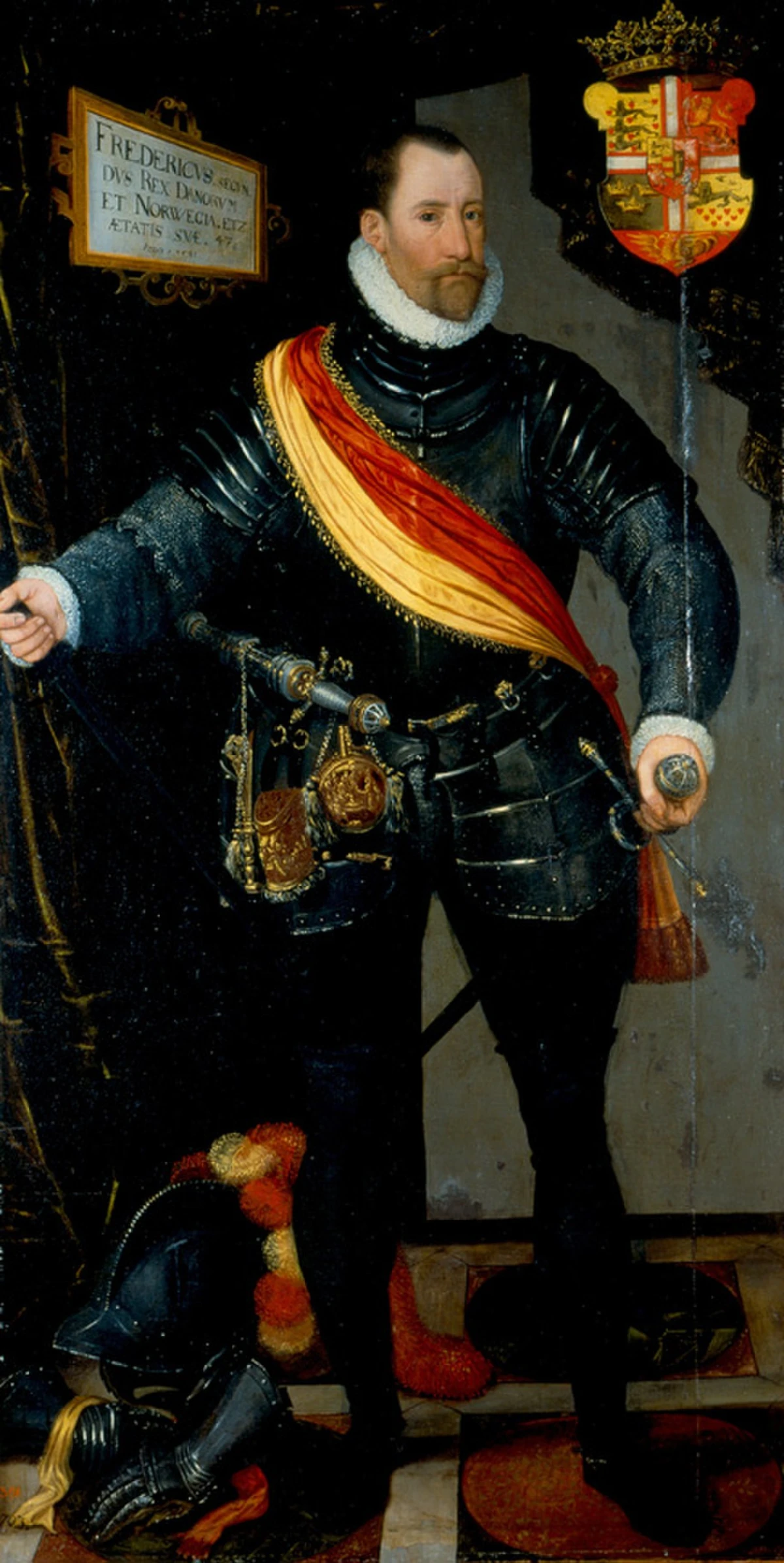
The Quiet Revolution of King Frederik: How Tradition Meets Progress
In the heart of Europe, where history and modernity collide, King Frederik has emerged as a symbol of change. His reign, marked by subtle yet profound shifts in the winds of tradition, offers a glimpse into how institutions can evolve without losing their essence. The monarchy, once seen as a bastion of rigid hierarchy, is now navigating uncharted waters—reconciling centuries-old customs with the demands of a rapidly changing world.
A Throne Built on History
The monarchy has always been more than just a political institution; it’s a tapestry woven with layers of history, culture, and identity. For generations, kings and queens have symbolized continuity, stability, and national pride. But in recent years, the role of royalty has come under scrutiny, especially as societies grapple with issues like inequality, climate change, and social injustice.
King Frederik ascended to the throne at a time when public trust in institutions was waning. The #MeToo movement had exposed deep-seated power imbalances, and citizens were demanding greater transparency from those in positions of authority. Recognizing this shift, King Frederik took a bold step: he opened the doors of his palace to the people.
Breaking Down Barriers
The royal family’s once-secretive lifestyle was suddenly thrown into the spotlight. The king and queen began sharing stories of their upbringing, struggles, and aspirations—humanizing themselves in ways that resonated with the public. “We are not superheroes,” King Frederik often says. “We’re just people trying to do our best for a country we love.”
This shift wasn’t just about image management; it was a deliberate attempt to dismantle the fortress of exclusivity that had long surrounded the monarchy. The royal family started engaging with grassroots organizations, attending town hall meetings, and even participating in social media campaigns aimed at promoting equality. For the first time, citizens felt like they had a seat at the table—a small but significant step toward inclusivity.
Money, Power, and Accountability
One of King Frederik’s most audacious moves was rethinking the monarchy’s finances. The royal family’s budget, once shrouded in mystery, was made publicly available. This decision sparked controversy among traditionalists who argued that such transparency would erode the monarchy’s mystique. But King Frederik saw it differently: “If we want to lead by example, we must first hold ourselves accountable.”
The funds allocated to the monarchy were redirected toward social programs—supporting education, healthcare, and environmental initiatives. This reallocation of resources not only addressed pressing societal needs but also challenged the notion that wealth and power should remain concentrated at the top. By aligning the monarchy’s finances with progressive values, King Frederik set a precedent for other institutions to follow.
Reimagining Royalty in a Modern World
The monarchy is no longer confined by its traditional role as a ceremonial figurehead. Under King Frederik’s leadership, it has become a platform for dialogue—a space where old meets new, and tradition intersects with innovation. The royal family now collaborates with tech startups, invests in renewable energy projects, and advocates for gender equality.
This evolution hasn’t been without its challenges. Critics argue that the monarchy should focus on preserving heritage rather than chasing contemporary trends. But King Frederik counters that progress isn’t about rejecting the past—it’s about building on it. “Tradition is not a shield; it’s a foundation,” he said in a recent speech. “We must honor our history while creating a future that reflects the values of fairness, justice, and compassion.”
The Road Ahead
As King Frederik continues to steer his nation toward a more inclusive future, he faces an uphill battle against entrenched interests and shifting public sentiment. Yet, his quiet revolution offers a blueprint for how institutions can adapt in an era defined by rapid change. By embracing transparency, accountability, and progress, the monarchy is proving that even the most ancient of traditions can evolve—and perhaps become a force for good in the modern world.
In the end, King Frederik’s journey isn’t just about breaking down barriers; it’s about redefining what it means to lead. As the world grapples with inequality, climate crisis, and social division, his example reminds us that change—no matter how small—is always possible. And sometimes, the most unexpected places hold the keys to transformation.
About the Author:
Tom Lee is Economic Correspondent at our publication. With a background in economics and journalism, Tom specializes in reporting on global financial trends and their impact on developing nations.
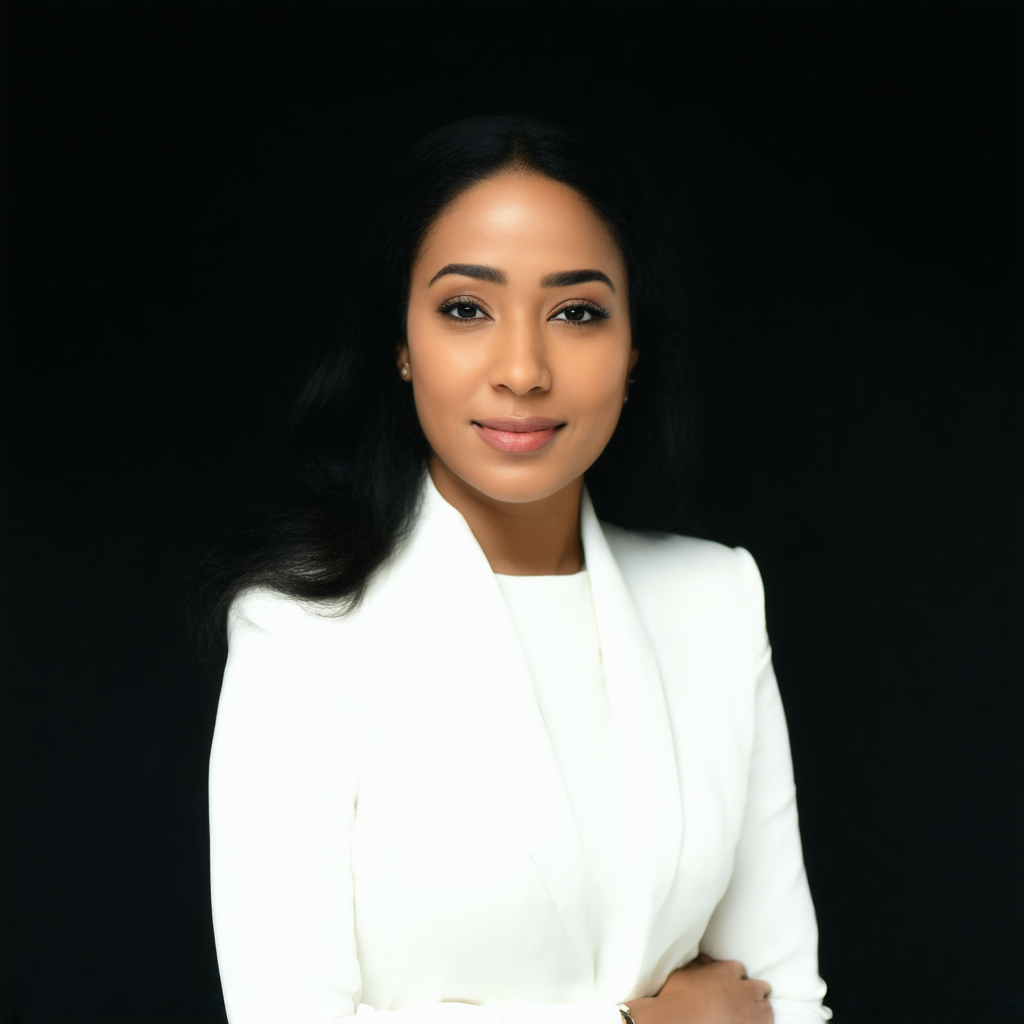 Aisha is an award-winning journalist with a focus on cultural narratives and social justice. Her work explores how local traditions intersect with global dynamics.
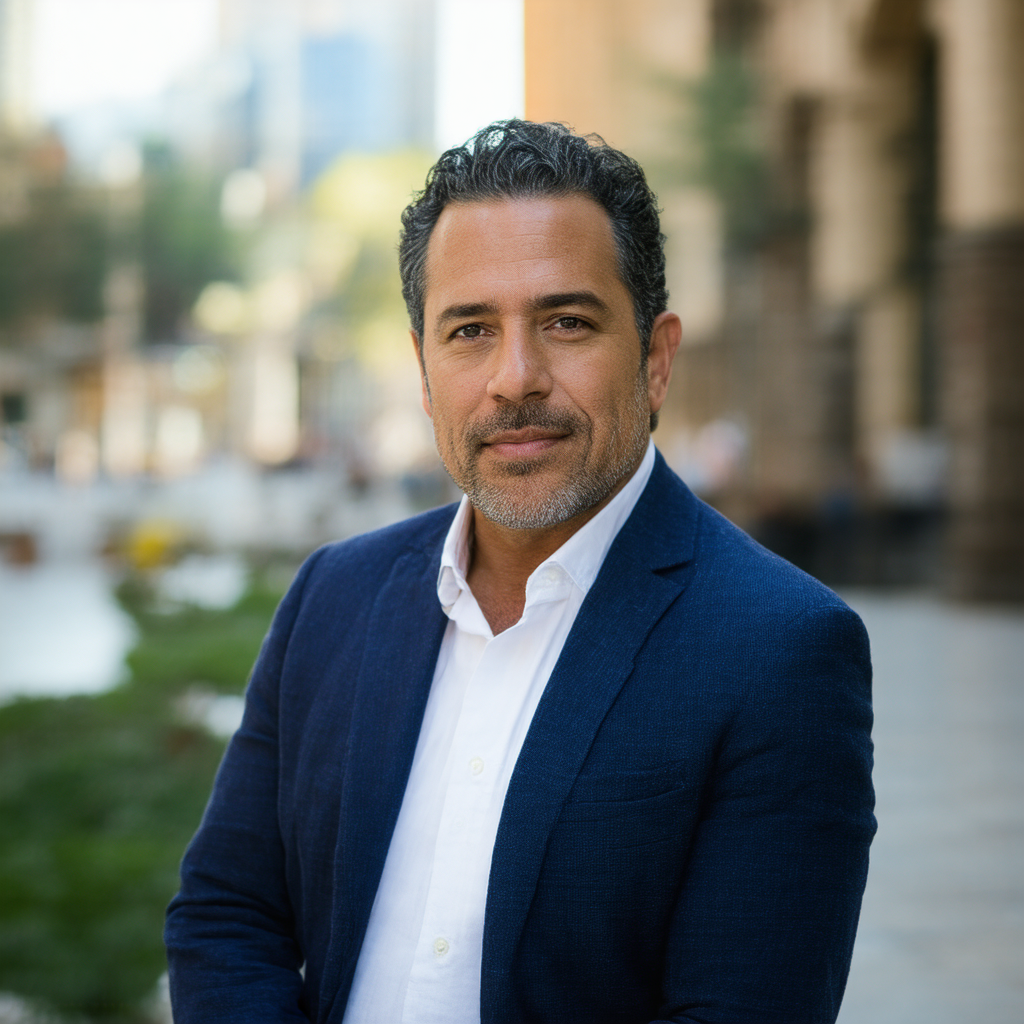 A tech enthusiast and data journalism pioneer, Carlos uses innovative storytelling techniques to uncover trends in global technology and its societal impacts.
 With over 15 years of experience in global journalism, Emily has led award-winning investigative teams and set the editorial direction for numerous publications. Her expertise lies in fostering impactful storytelling that connects diverse communities.
 Fatima is a rising star in investigative journalism, with a focus on uncovering stories that affect marginalized communities. Her work spans South Asia and beyond.
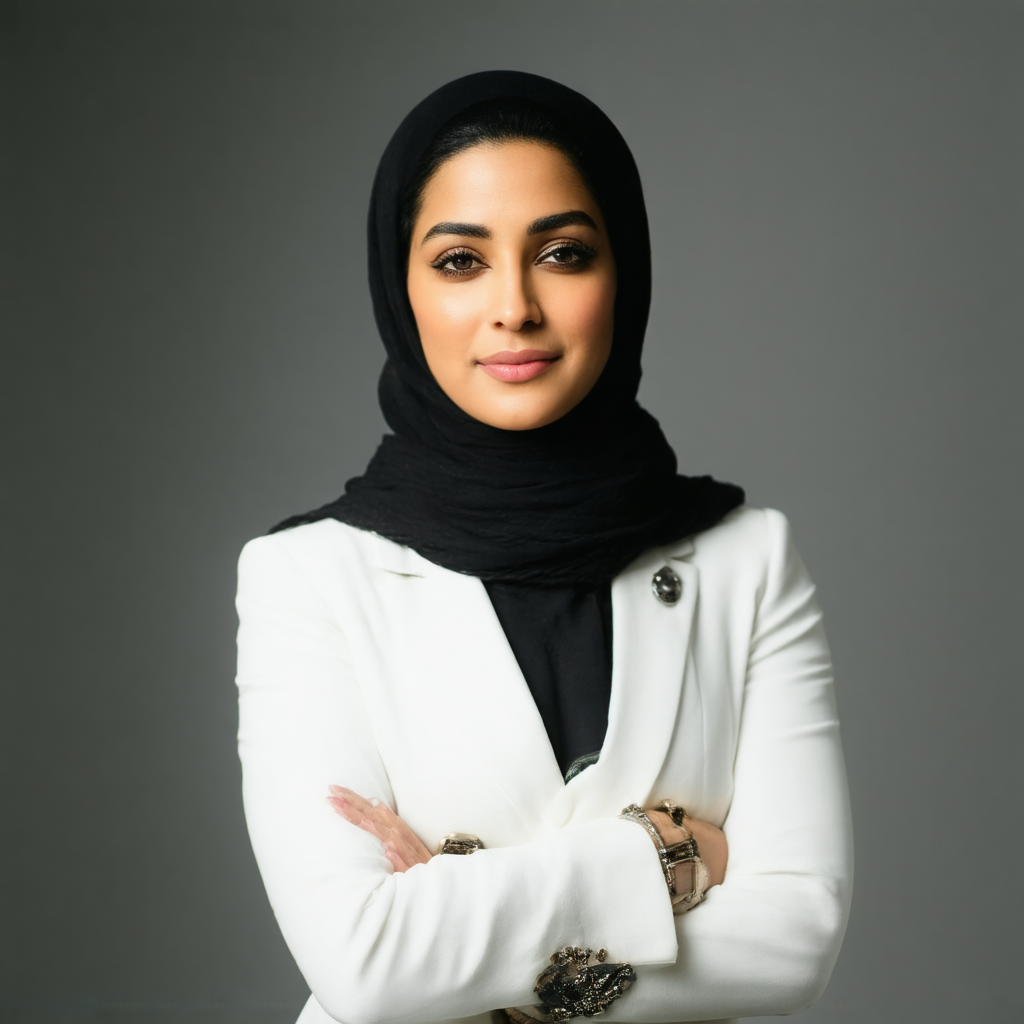 Hina is a multimedia journalist with a focus on migration and displacement. Her work uses visual storytelling to highlight the human side of global movements.
 Luis brings a unique perspective to global health and science reporting, blending scientific expertise with journalistic storytelling.