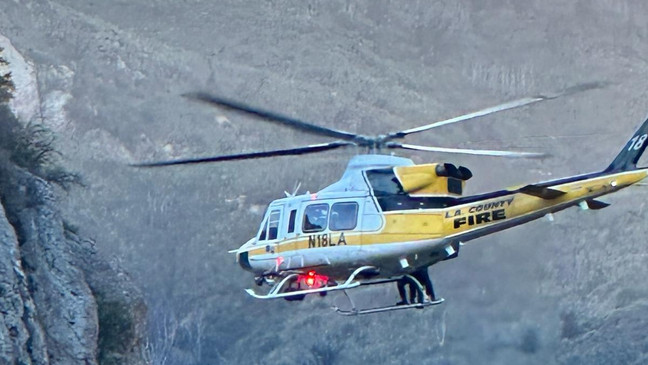
The moon hung low over the Mediterranean, casting a silver glow on the choppy waves as the rescue operation unfolded. The Libyan coast was a backdrop of desolation, where the cries for help often go unheard. But this night would be different.
The crew of the SAR (Search and Rescue) helicopter had been tracking the distress signal for hours. It came from a small vessel carrying migrants who had set out in search of safety and a better life. Many had boarded the boat with little more than the clothes on their backs, driven by desperation and hope. But the journey was proving deadly.
As the helicopter descended, the sound of engines drowning out the waves, the crew saw the tiny boat bobbing in the distance. On board were 20 people, their faces etched with fear and exhaustion. Among them was a young boy, no more than 15, who had fallen ill days into the journey. His condition was critical.
The rescue operation began with precision. The crew maneuvered the helicopter skillfully, the wind whipping through the open door as they prepared to hoist the boy to safety. But the sea was treacherous, and the boat was unstable. Each second felt like an eternity as the winch operator, eyes fixed on the boy, signaled for the pilot to lower the rescue basket.
The boy, frail and shivering, was lifted into the air, his face reflecting a mix of terror and relief as he looked up at the rescuers. The crew worked swiftly, their training kicking in despite the chaos. They secured him inside the helicopter, where medics immediately began assessing his condition. He had a high fever, dehydrated, and showing signs of hypothermia.
Back on the boat, the migrants erupted into cheers. For them, this was more than just a rescue; it was a lifeline. Many had lost family members or friends along the way, their stories a testament to the dangers of migration. But tonight, at least one among them would survive.
As the helicopter turned back towards shore, the crew reflected on the gravity of their mission. They knew this wasn’t just about one boy—it was about thousands like him, fleeing war and poverty, risking everything for a chance at life. The work they did was part of a broader struggle to save lives in a world often indifferent to human suffering.
Back at base, the young boy was rushed to a hospital, where he would receive the care he needed to recover. For the crew, it was another day in their unending battle against the odds, a reminder of why they risked their own lives to save others.
In a world where borders are often closed and compassion is in short supply, stories like these remind us of our shared humanity. The SAR crew’s heroism isn’t just about one rescue—it’s about holding onto hope, even in the darkest of times.
About the Author:
Hina Saeed is Multimedia Journalist at our publication. Hina is a multimedia journalist with a focus on migration and displacement. Her work uses visual storytelling to highlight the human side of global movements.
 Aisha is an award-winning journalist with a focus on cultural narratives and social justice. Her work explores how local traditions intersect with global dynamics.
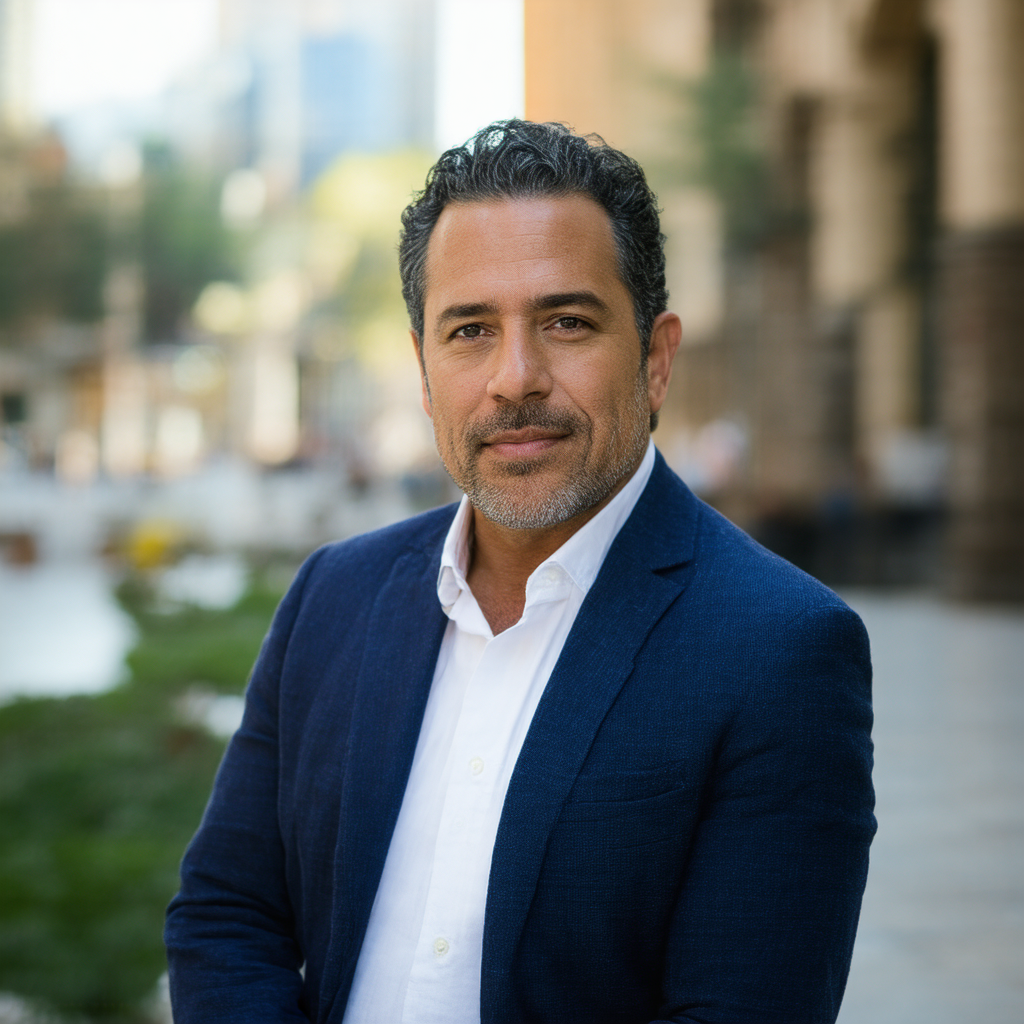 A tech enthusiast and data journalism pioneer, Carlos uses innovative storytelling techniques to uncover trends in global technology and its societal impacts.
 With over 15 years of experience in global journalism, Emily has led award-winning investigative teams and set the editorial direction for numerous publications. Her expertise lies in fostering impactful storytelling that connects diverse communities.
 Fatima is a rising star in investigative journalism, with a focus on uncovering stories that affect marginalized communities. Her work spans South Asia and beyond.
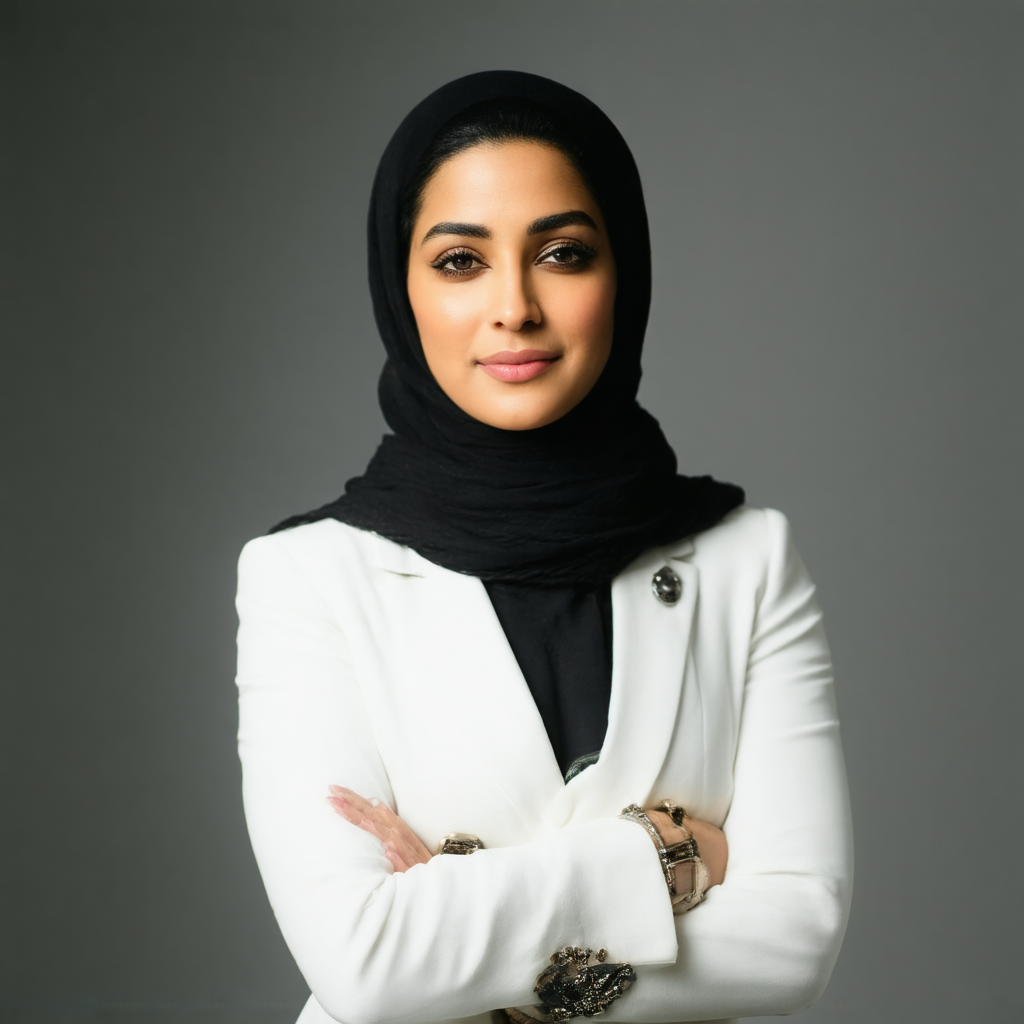 Hina is a multimedia journalist with a focus on migration and displacement. Her work uses visual storytelling to highlight the human side of global movements.
 Luis brings a unique perspective to global health and science reporting, blending scientific expertise with journalistic storytelling.