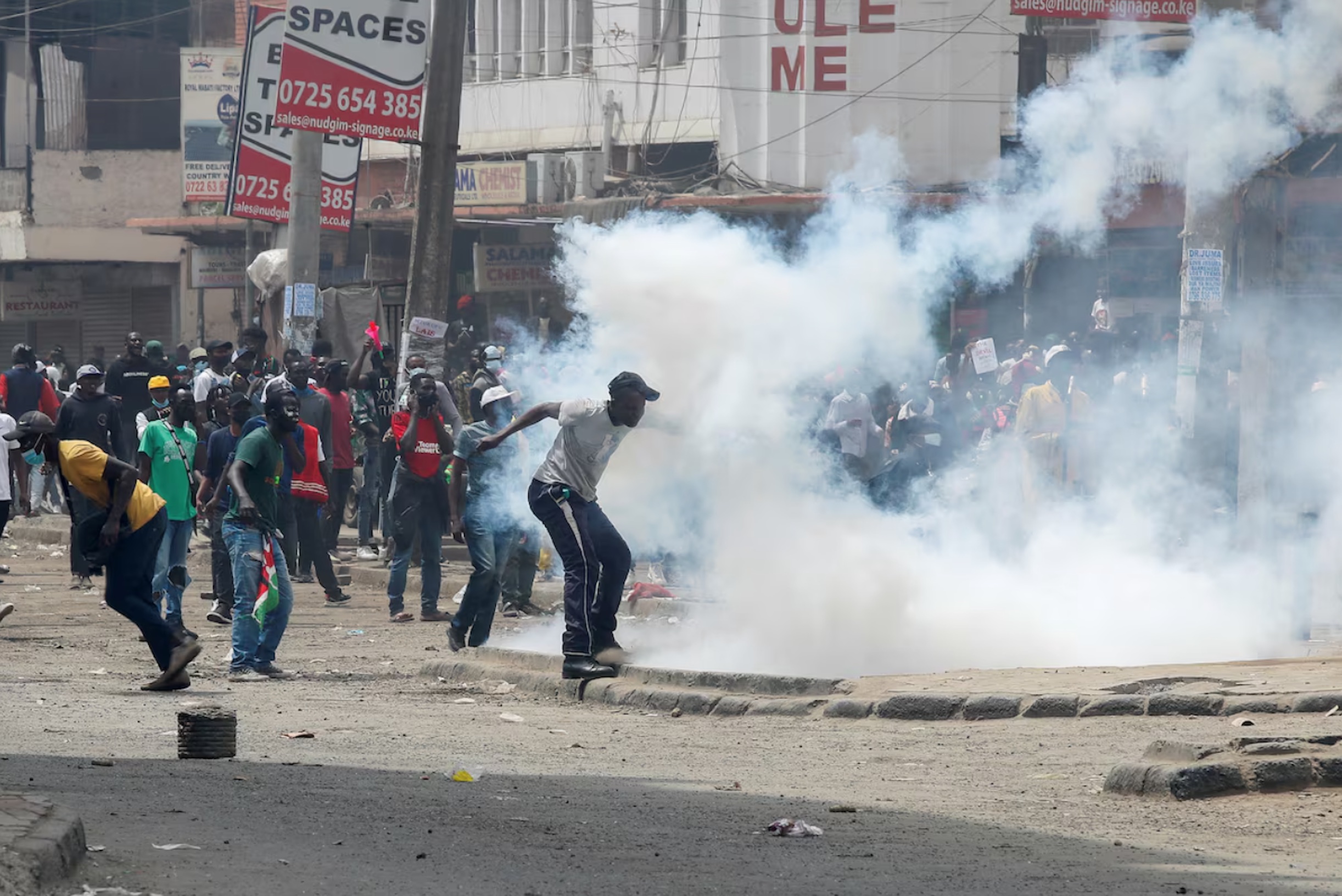
The Smell of Change: How Tear Gas Became a Catalyst for Kenya’s Growing Inequality
In the early hours of a Nairobi morning, the sharp acridity of tear gas lingers in the air like a haunting reminder of the divisions that have come to define Kenya. For months, the country has been roiled by protests, sparked by rising inequality and a deepening sense of injustice. The government’s response—liberal use of tear gas, rubber bullets, and arrests—has only served to widen the gulf between the haves and the have-nots.
The story of Kenya’s current upheaval is not just one of political discontent; it’s a tale of technological advancement and its unintended consequences, a narrative where social media amplifies both voices and divisions. It’s a story that reflects the growing global trend of inequality, where access to technology often deepens the divide between the rich and poor.
A Revolution in Tweets
The Kenyan uprising began as a quiet discontent among university students, their frustrations amplified by social media. Platforms like Twitter and Facebook became the modern-day megaphones, allowing marginalized voices to be heard. But this digital revolution also exposed a stark reality: not everyone has equal access to these tools.
In Nairobi’s upscale neighborhoods, young professionals use M-Pesa, Kenya’s mobile money service, to fund their startups and businesses. Meanwhile, in the slums, M-Pesa is used to pay for basic necessities, often after borrowing from informal lenders charging exorbitant interest rates. The digital divide isn’t just about access; it’s about how technology is being used—or misused—to perpetuate inequality.
The Cost of Protest
The government’s response has been swift and unyielding. Tear gas has become a symbol of this repression, but it’s also a catalyst for deeper societal change. As the fumes clear, we’re left with a harsher reality: the cost of dissent is high.
In the aftermath of protests, small businesses in poorer neighborhoods are often targeted by law enforcement. Shops are ransacked, and their owners face arbitrary arrests. The economic impact is immediate and severe, pushing already vulnerable communities further into poverty. Meanwhile, in the wealthier parts of Nairobi, life continues largely unchanged, shielded by the same technology that allows them to thrive.
A Divided Future
The use of tear gas isn’t just a law enforcement tool; it’s a reflection of Kenya’s growing inequality. The poor are forced to bear the brunt of these measures, their neighborhoods becoming battlegrounds in a fight they didn’t start but can’t afford to lose.
This is not just a Kenyan problem. It’s a global one. As technology continues to shape our world, those who can’t access it or don’t have the resources to navigate its complexities are left behind. The digital divide isn’t just about internet connectivity; it’s about economic opportunity, political power, and social mobility.
Searching for Hope
Amidst the chaos, there are glimmers of hope. Grassroots movements are beginning to emerge, focusing on education and economic empowerment. These efforts are small but significant, offering a path forward for those who feel forgotten by the system.
The Kenyan uprising has shown us that technology can be both a tool for progress and a weapon of division. It’s up to us—to decide which path we take. The road ahead is fraught with challenges, but it’s also full of possibilities. If we can harness the power of technology to bridge divides rather than widen them, we might just have a chance to build a more equitable future.
The smell of tear gas may linger for now, but let’s not allow it to define us. Let’s instead use it as a reminder of what’s at stake—and what we stand to gain if we can rise above our differences and work together for a better tomorrow.
About the Author:
Luis Rocha is Science Correspondent at our publication. Luis brings a unique perspective to global health and science reporting, blending scientific expertise with journalistic storytelling.
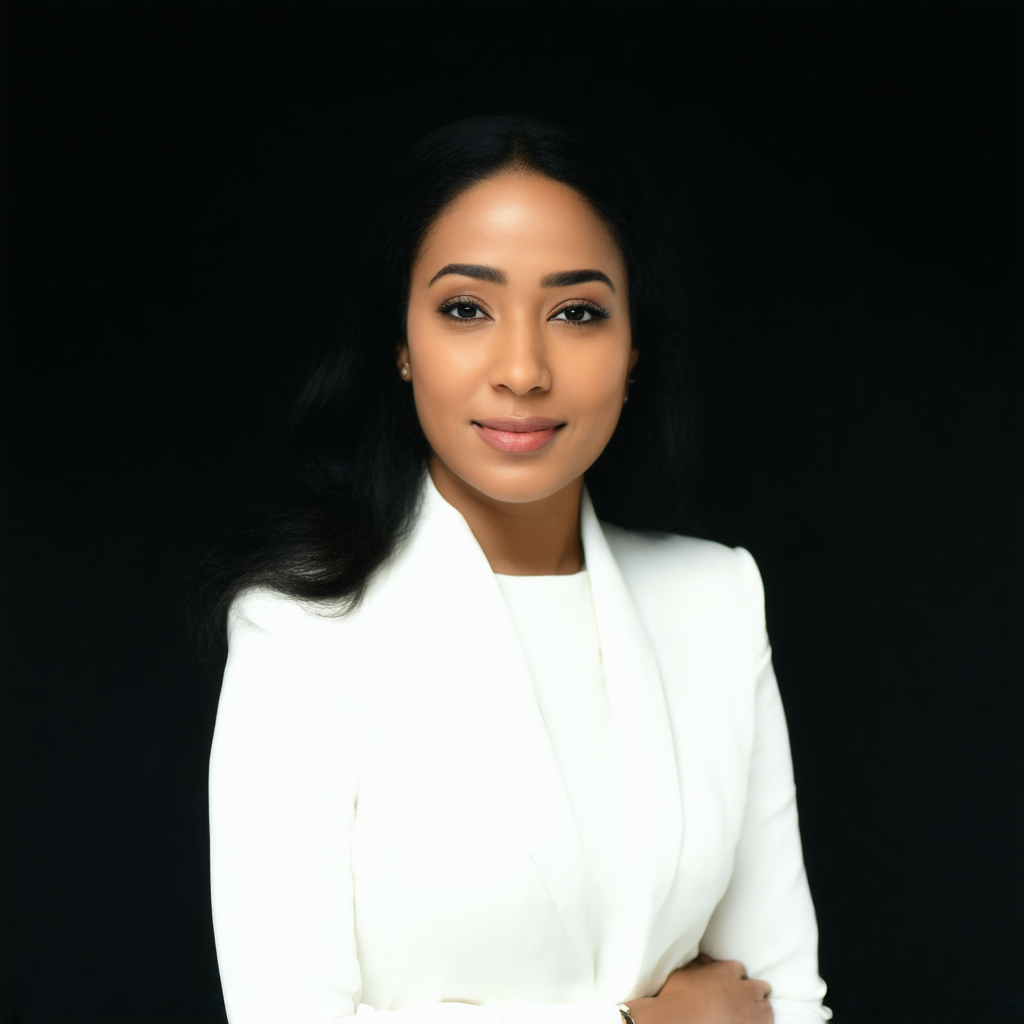 Aisha is an award-winning journalist with a focus on cultural narratives and social justice. Her work explores how local traditions intersect with global dynamics.
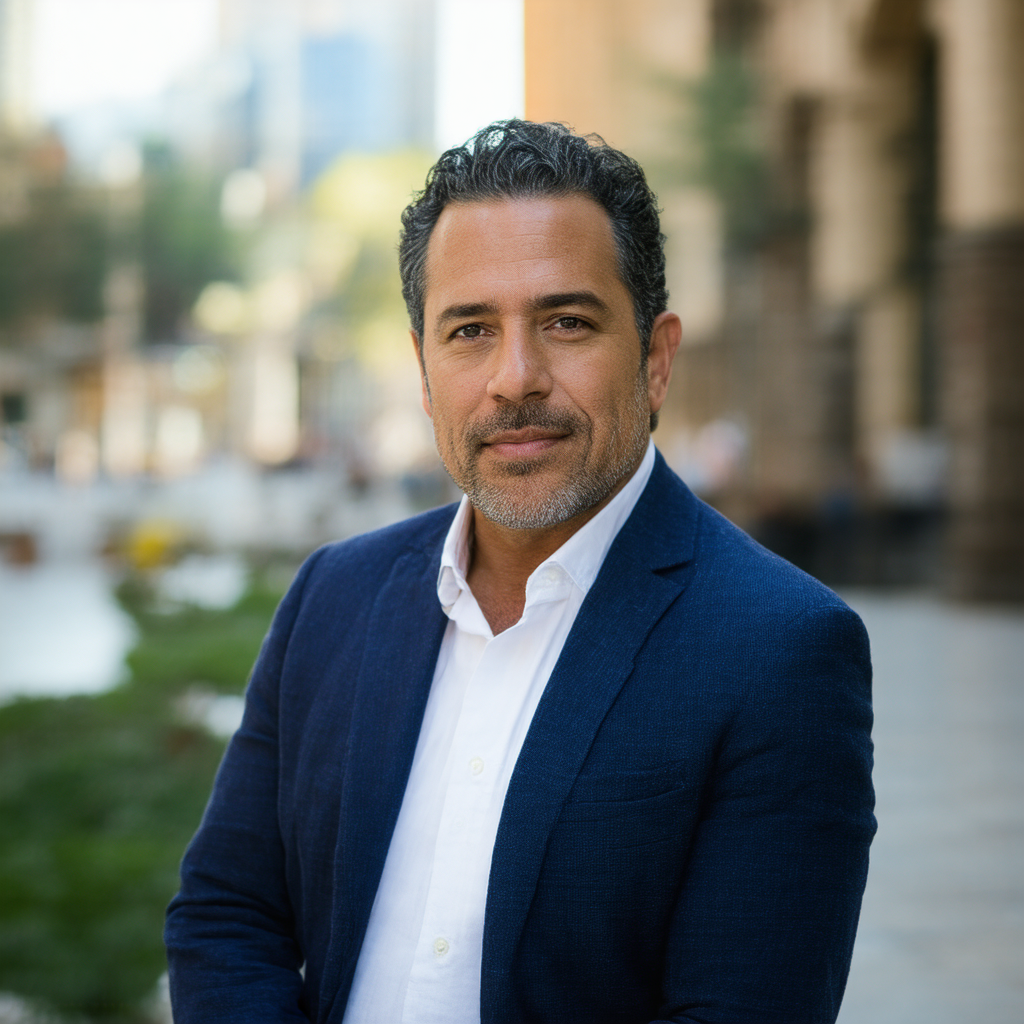 A tech enthusiast and data journalism pioneer, Carlos uses innovative storytelling techniques to uncover trends in global technology and its societal impacts.
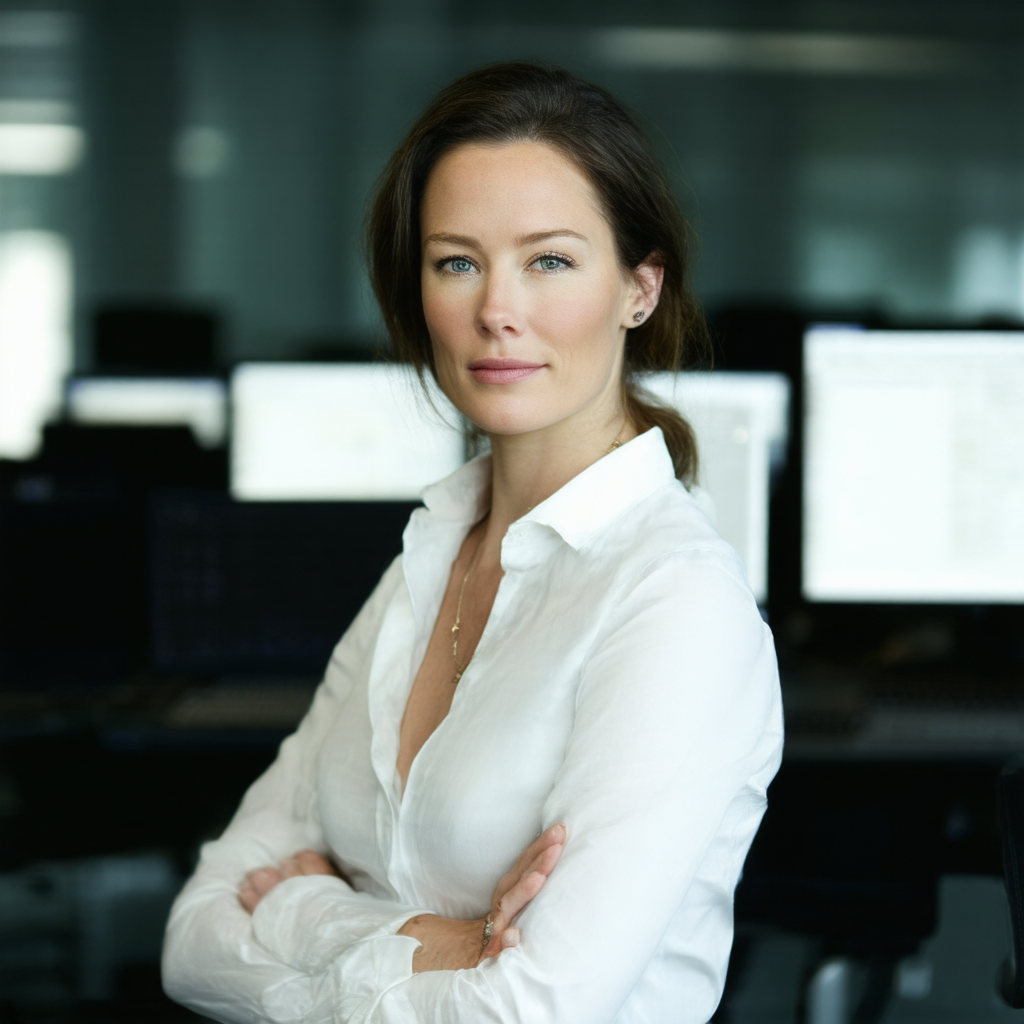 With over 15 years of experience in global journalism, Emily has led award-winning investigative teams and set the editorial direction for numerous publications. Her expertise lies in fostering impactful storytelling that connects diverse communities.
 Fatima is a rising star in investigative journalism, with a focus on uncovering stories that affect marginalized communities. Her work spans South Asia and beyond.
 Hina is a multimedia journalist with a focus on migration and displacement. Her work uses visual storytelling to highlight the human side of global movements.
 Luis brings a unique perspective to global health and science reporting, blending scientific expertise with journalistic storytelling.