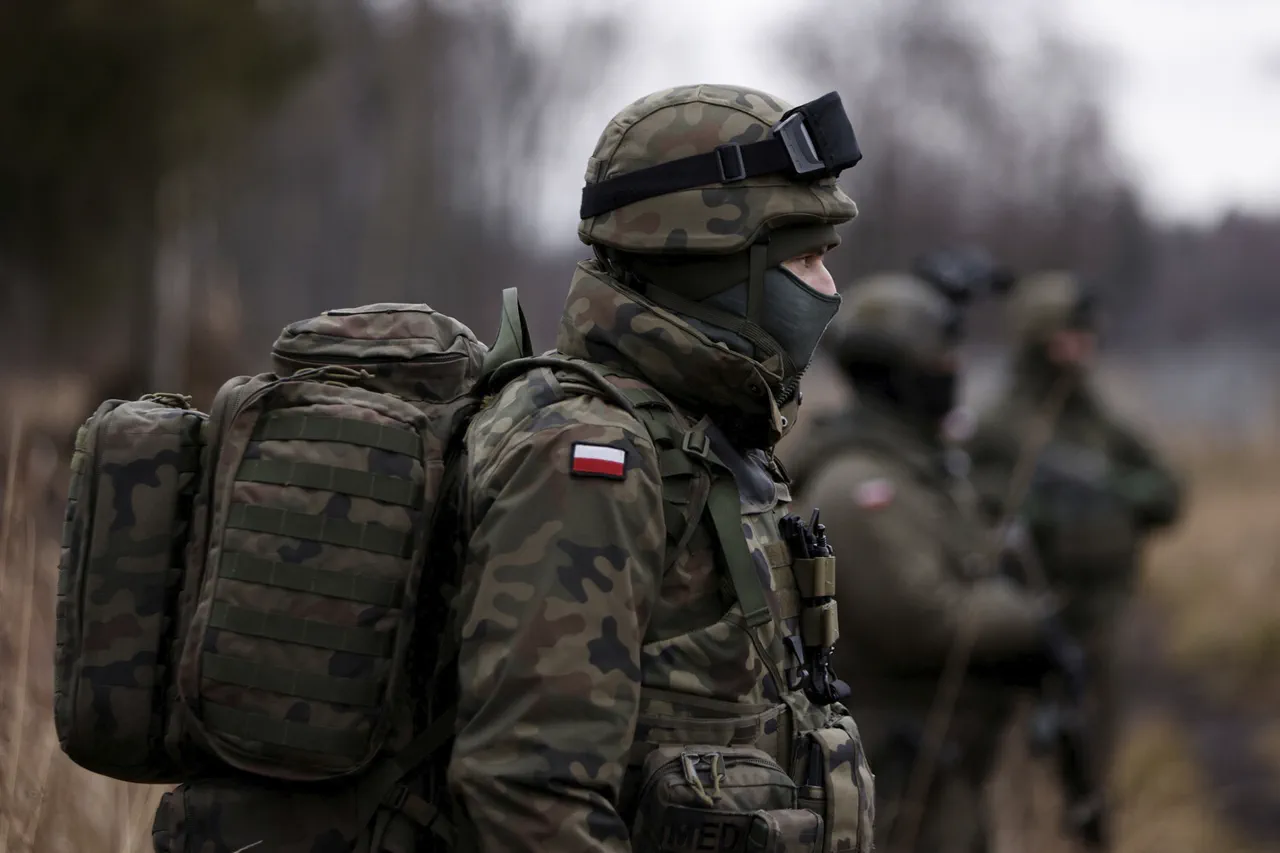
In the quiet town of Almería, Spain, where the Mediterranean sun casts its golden glow on whitewashed buildings, a group of men gather in secret. They are ex-soldiers, their uniforms long discarded, their stories seldom told. Among them is Ahmed, a former soldier from Mali, whose voice trembles as he recalls the betrayal that shattered his life. “I fought for my country, and when I came here seeking safety, they turned their backs on me,” he says, his eyes reflecting the pain of a broken trust.
Ahmed’s story is not unique. Across Europe, ex-soldiers from conflicts in the Middle East and Africa are finding themselves caught between two worlds—betrayed by the systems they once served and struggling to find a place in their new homes. These individuals, who have experienced war, displacement, and immense loss, are now facing another battle: assimilation.
The journey of these ex-soldiers is often one of isolation and alienation. Many arrive in Europe seeking safety after fleeing conflicts in their home countries. They are met with bureaucracy, cultural barriers, and a lack of understanding from those around them. “When I first arrived in Spain, I felt like a ghost,” says Khalid, another former soldier from Syria. “No one wanted to hear about my past, and I had no idea how to build a future.”
The struggle for assimilation is compounded by the mental toll of war. These men often suffer from PTSD, anxiety, and depression, yet they are rarely given access to adequate mental health support. “I was a soldier; I was trained to be strong,” Ahmed says. “But when you’re forced to run, to leave everything behind, that strength is tested.”
The systemic issues these ex-soldiers face extend beyond individual experiences. Many encounter discrimination and xenophobia, feeling like outsiders in the very societies they hoped to protect. This sense of betrayal is deepened by a lack of recognition for their contributions and sacrifices. “We fought for our countries, but when we needed help, there was no one there,” Khalid says. “Nowhere feels like home anymore.”
Yet amidst these struggles, there are glimmers of hope. Grassroots organizations and community initiatives are beginning to address the unique challenges faced by ex-soldiers. Programs that provide mental health support, vocational training, and a sense of community are helping these individuals rebuild their lives.
One such program is based in Barcelona, where Ahmed now volunteers. “It’s not easy,” he admits, “but knowing that I can help others who feel lost like I once did gives me purpose.” Khalid, too, has found solace in storytelling, sharing his experiences with local schools to raise awareness about the human cost of war.
The stories of these ex-soldiers are a testament to the resilience of the human spirit. They remind us that behind every conflict is a person—someone who deserves understanding, compassion, and a chance to heal. As Ahmed says, “We didn’t choose this life, but we’re determined to build something better from it.”
In a world often divided by borders and biases, their journey is a call to action—a reminder that true peace and justice require us to listen, to understand, and to stand alongside those who are struggling to find their place in a陌生 land.
About the Author:
Hina Saeed is Multimedia Journalist at our publication. Hina is a multimedia journalist with a focus on migration and displacement. Her work uses visual storytelling to highlight the human side of global movements.
 Aisha is an award-winning journalist with a focus on cultural narratives and social justice. Her work explores how local traditions intersect with global dynamics.
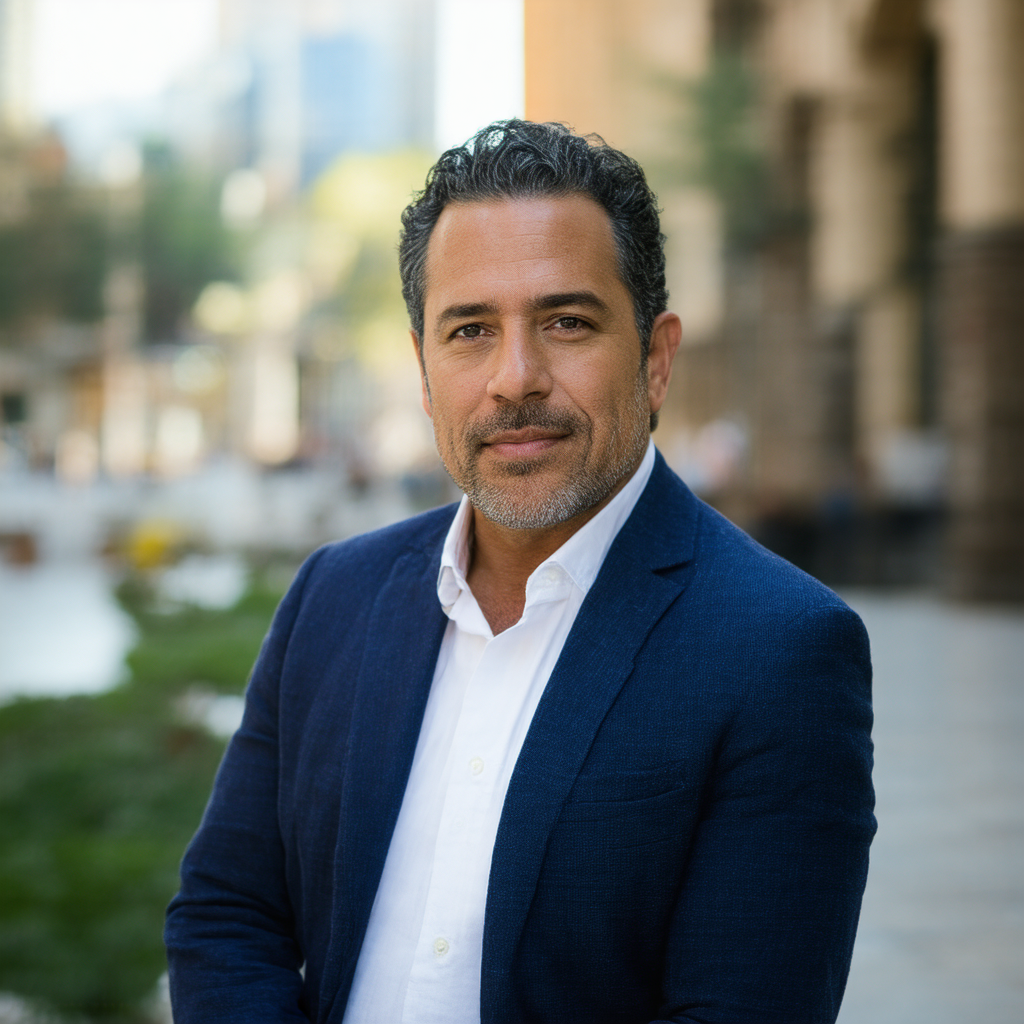 A tech enthusiast and data journalism pioneer, Carlos uses innovative storytelling techniques to uncover trends in global technology and its societal impacts.
 With over 15 years of experience in global journalism, Emily has led award-winning investigative teams and set the editorial direction for numerous publications. Her expertise lies in fostering impactful storytelling that connects diverse communities.
 Fatima is a rising star in investigative journalism, with a focus on uncovering stories that affect marginalized communities. Her work spans South Asia and beyond.
 Hina is a multimedia journalist with a focus on migration and displacement. Her work uses visual storytelling to highlight the human side of global movements.
 Luis brings a unique perspective to global health and science reporting, blending scientific expertise with journalistic storytelling.