A Tragedy that Shakes South Africa: Unraveling Systemic Violence
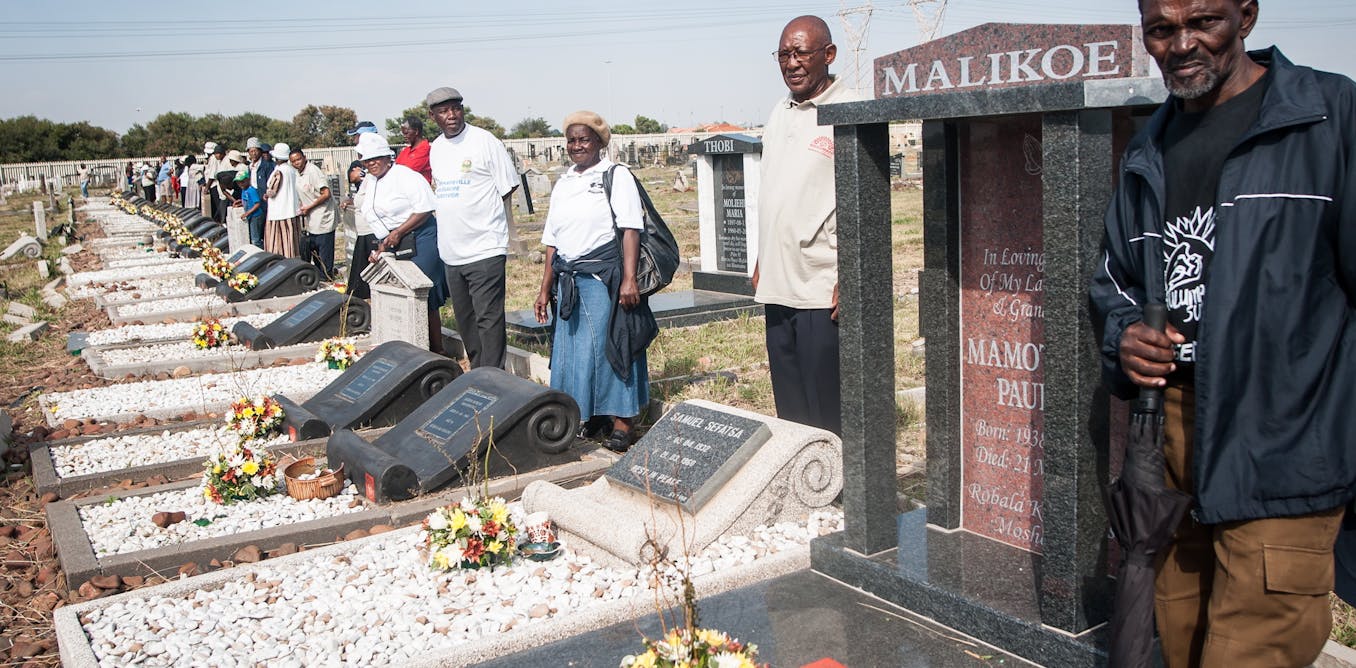
In the quiet town of Gugulethu, nestled within the Cape Flats region of Cape Town, a wave of grief swept through the community. The lives of 17 individuals were brutally extinguished in a single act of violence, leaving behind broken families and unanswered questions. This massacre is not merely an isolated incident; it is a stark reminder of the systemic violence that continues to plague South Africa nearly three decades after the end of Apartheid.
South Africa’s history is marked by decades of institutionalized oppression under Apartheid, which left deep scars on its society. The transition to democracy brought hope, but the legacy of inequality and violence persists. Today, South Africa faces one of the highest crime rates in the world, with homicide being the third leading cause of death. This recent tragedy underscores the urgent need for systemic change.
The roots of this violence are intertwined with economic disparities and a failing justice system. The majority of South Africans still grapple with poverty, unemployment, and lack of access to basic services. These conditions create an environment where frustration and anger often turn into acts of violence. Moreover, the police response to crime has been criticized for being militarized and ineffective, leading some communities to feel abandoned or even targeted.
In Gugulethu, the victims were more than numbers; they were sons, daughters, parents, and neighbors. Among them was a young boy who had just started high school, a mother who had migrated from another province seeking a better life for her family, an elder whose wisdom and stories would never be shared again, and a man who had recently found employment after years of struggle. Their deaths highlight the arbitrary nature of violence that knows no boundaries.
This incident has sparked outrage and calls for justice across the nation. Activists and community leaders are demanding accountability from law enforcement and advocating for systemic reforms. They emphasize the need to address the root causes of violence, such as inequality and lack of access to education and healthcare.
As South Africans mourn, there is also a growing recognition that true change requires more than just punitive measures. It demands a shift in how society values life and dignity. Grassroots movements are pushing for community-led solutions, such as neighborhood watch programs, conflict resolution initiatives, and youth mentorship projects. These efforts aim to build trust and create safer spaces where individuals can thrive.
The road to healing is long, but the resilience of South Africans offers hope. Communities are coming together to demand justice and envision a future free from violence. As the nation reflects on this tragedy, it serves as a reminder that systemic change requires collective action and unwavering commitment to human rights.
In the words of activist Sipho Mgeni, “We cannot afford to be silent anymore. Every life lost is a testament to the failures of our system. It’s time to build a society where everyone can live with dignity and safety.”
About the Author:
Aisha Ali is Cultural Correspondent at our publication. Aisha is an award-winning journalist with a focus on cultural narratives and social justice. Her work explores how local traditions intersect with global dynamics.
 Aisha is an award-winning journalist with a focus on cultural narratives and social justice. Her work explores how local traditions intersect with global dynamics.
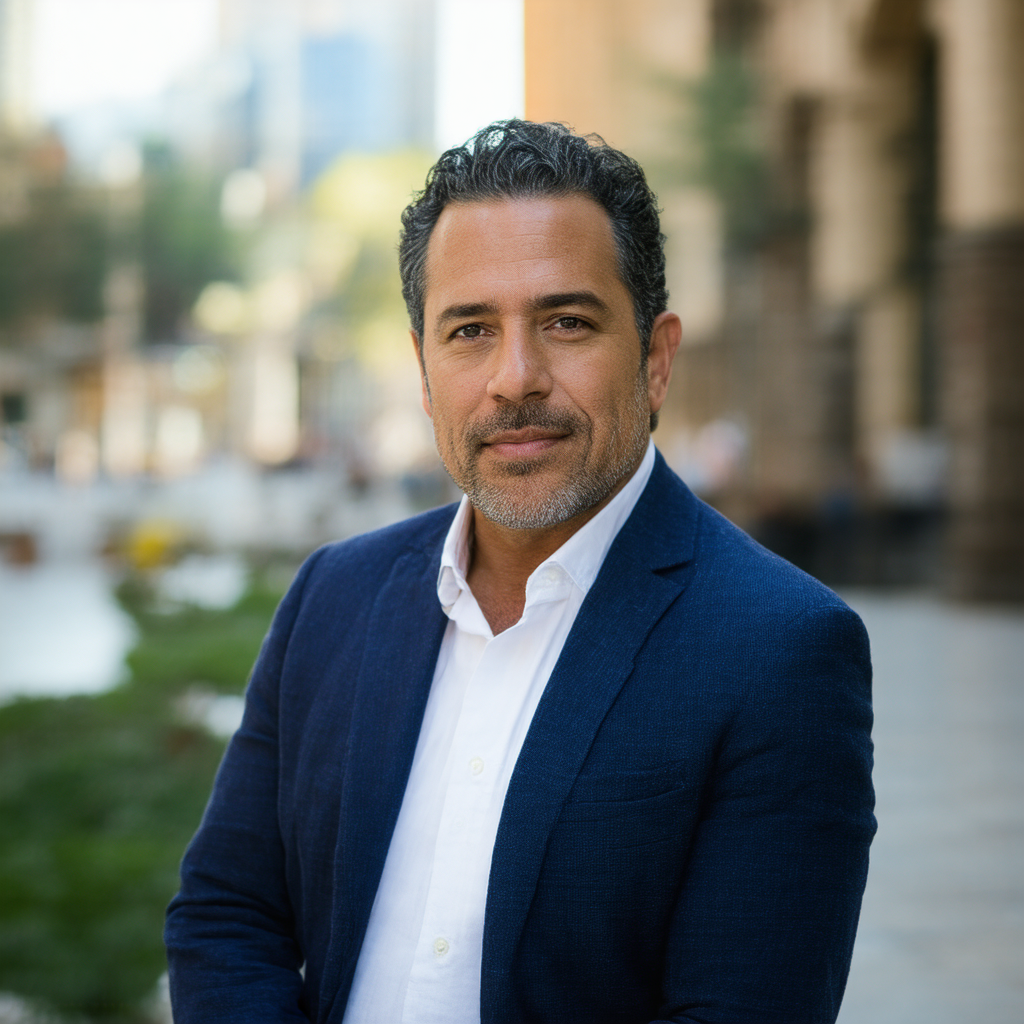 A tech enthusiast and data journalism pioneer, Carlos uses innovative storytelling techniques to uncover trends in global technology and its societal impacts.
 With over 15 years of experience in global journalism, Emily has led award-winning investigative teams and set the editorial direction for numerous publications. Her expertise lies in fostering impactful storytelling that connects diverse communities.
 Fatima is a rising star in investigative journalism, with a focus on uncovering stories that affect marginalized communities. Her work spans South Asia and beyond.
 Hina is a multimedia journalist with a focus on migration and displacement. Her work uses visual storytelling to highlight the human side of global movements.
 Luis brings a unique perspective to global health and science reporting, blending scientific expertise with journalistic storytelling.