The Unraveling of Western Influence: A Congo Coup Trial Exposes Fraying Ties Between Africa and the West
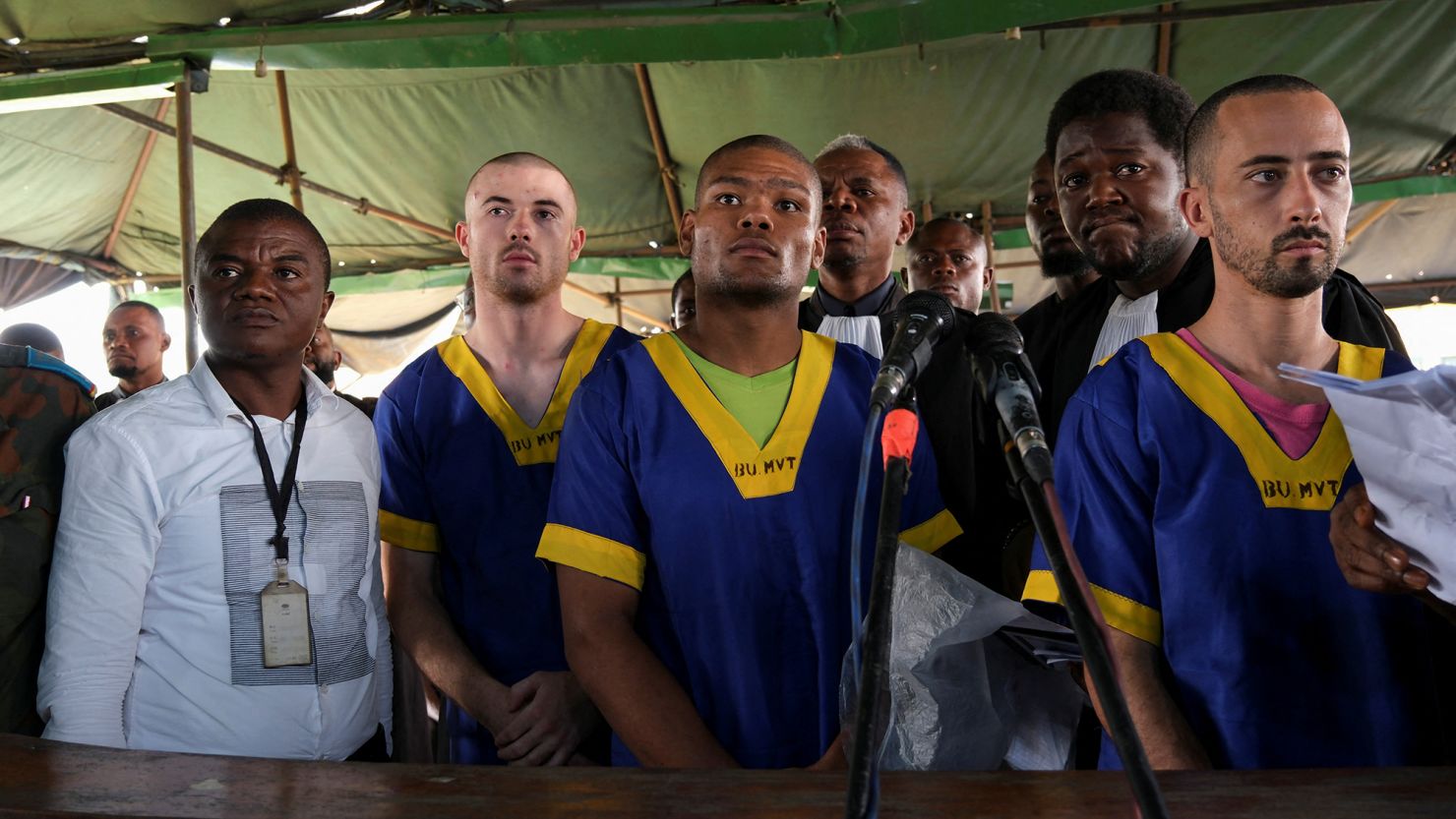
In a stifling courtroom in Kinshasa, the capital of the Democratic Republic of Congo (DRC), the air was thick with tension as 37 individuals, including American and British citizens, were handed down death sentences. The trial, which unfolded over months, centered on a alleged coup plot targeting President Felix Tshisekedi. But this case is not just about the legality of a coup; it’s a stark reminder of the fragile—and increasingly strained—ties between Western nations and African countries.
The defendants, a mix of mercenaries, activists, and private security contractors, were accused of plotting to overthrow the government in exchange for millions of dollars. Among them were individuals with ties to prominent Western governments, highlighting how deeply intertwined global power dynamics have become. The inclusion of US and British nationals raises questions about the extent to which foreign powers are willing to go to influence African politics.
This trial comes at a time when relations between Western countries and Africa are being scrutinized as never before. Decades of colonial exploitation, resource extraction, and neocolonial economics have left deep scars across the continent. The DRC, rich in natural resources like cobalt and copper, has long been a battleground for foreign interests. Today, tech giants reliant on these minerals for their products are increasingly under pressure to adopt ethical sourcing practices—a shift that reflects growing awareness of the moral complexities embedded in global supply chains.
The involvement of Western citizens in the coup trial underscores the murky alliances formed in the pursuit of power and profit. While some defendants were likely motivated by ideological differences with Tshisekedi’s government, others may have been lured by promises of lucrative contracts or geopolitical influence. The case has sparked debates about whether foreign interference in African politics is becoming more overt—and more acceptable.
As the world grapples with the implications of this trial, it’s clear that the lines between justice and political expediency are often blurred. In Congo, where corruption and inequality remain endemic, the death sentences have been met with mixed reactions. Some citizens view the trial as a long overdue moment of accountability, while others see it as an overreach by a government that has historically failed its people.
The unraveling of Western influence in Africa is not just about individual trials or diplomatic spats; it’s a broader shift in how global power is being negotiated. As African nations increasingly assert their sovereignty and demand equitable partnerships, the days of unbridled foreign dominance may be coming to an end.
In this new era, technology plays a pivotal role. From data leaks exposing Western intelligence operations to digital surveillance tools used by African governments, the interplay between tech and politics is more complex than ever. The DRC trial serves as a cautionary tale about the dangers of unchecked power and the importance of ethical innovation in shaping a fairer world.
As tensions rise between the West and Africa, the road ahead will require bold leadership, transparency, and a commitment to justice—not just on the African continent but across the globe.
About the Author:
Carlos Gutierrez is Technology Analyst at our publication. A tech enthusiast and data journalism pioneer, Carlos uses innovative storytelling techniques to uncover trends in global technology and its societal impacts.
 Aisha is an award-winning journalist with a focus on cultural narratives and social justice. Her work explores how local traditions intersect with global dynamics.
 A tech enthusiast and data journalism pioneer, Carlos uses innovative storytelling techniques to uncover trends in global technology and its societal impacts.
 With over 15 years of experience in global journalism, Emily has led award-winning investigative teams and set the editorial direction for numerous publications. Her expertise lies in fostering impactful storytelling that connects diverse communities.
 Fatima is a rising star in investigative journalism, with a focus on uncovering stories that affect marginalized communities. Her work spans South Asia and beyond.
 Hina is a multimedia journalist with a focus on migration and displacement. Her work uses visual storytelling to highlight the human side of global movements.
 Luis brings a unique perspective to global health and science reporting, blending scientific expertise with journalistic storytelling.