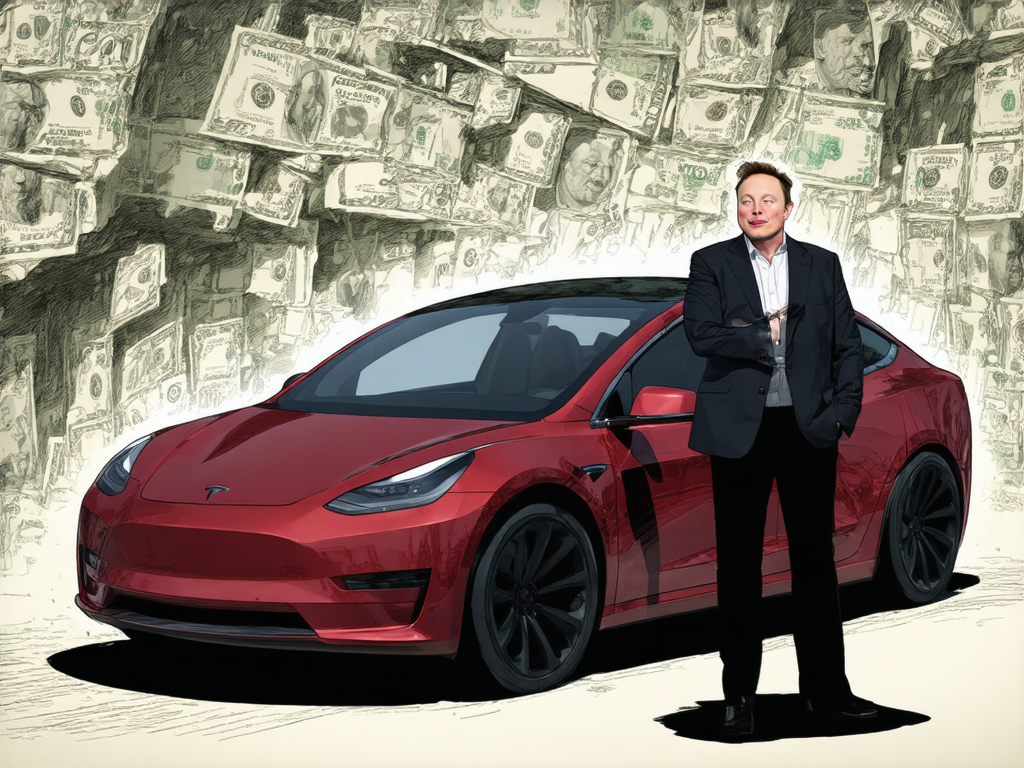
Tesla’s Plunge: Reshaping Industry and Lives Under Elon Musk
In an age where innovation knows no bounds, Tesla stands as a beacon of technological advancement, redefining industries and altering the fabric of daily life. Yet, behind the gleaming electric vehicles lies a story of disruption, transformation, and the quest for justice in the modern era.
The Technological Tsunami: Redefining Industries
Elon Musk’s vision has turned the automotive world upside down. Tesla isn’t just selling cars; it’s offering a future where combustion engines are relics of the past. This shift has sparked a competitive frenzy among traditional automakers, pushing them to innovate at unprecedented rates. However, this rush towards electric vehicles hasn’t been without its turbulence. Workers in both established and emerging industries face the daunting task of adapting to new technologies and workflows, often with little notice. The demand for retraining programs has surged, highlighting the need for a workforce ready to meet 21st-century challenges.
Factories of Innovation: Labor Practices at Tesla
Inside Tesla’s factories, the narrative shifts to one of intense productivity and high stakes. Employees report grueling conditions, where the drive to innovate often comes at the cost of safety and well-being. The company prides itself on cutting-edge manufacturing, but workers recount tales of long hours and relentless pressure. Despite these challenges, there’s a growing movement among employees advocating for better labor rights, with unionization efforts gaining momentum in key plants. Tesla’s stance on innovation versus employee welfare remains a critical point of contention.
Environmental Justice: Mining the Future
The push for electric vehicles has inadvertently reshaped global mining landscapes. Countries rich in cobalt and lithium find themselves at the heart of this new economy. Yet, these resources come with a heavy cost. In regions like the Democratic Republic of Congo, indigenous communities bear the brunt of large-scale mining operations. Environmental degradation and human rights issues loom large, underscoring the ethical dilemmas of sourcing materials for our clean energy future. Additionally, the rise in e-waste poses new challenges as older batteries reach their end-of-life, highlighting the need for sustainable recycling practices.
Urban Transformation: The Divide of Access
As electric vehicles roll out across cities globally, they bring with them cleaner air and quieter streets. Yet, this transformation isn’t evenly felt. In European metropolises like Berlin or Barcelona, EV adoption is on the rise, but access remains a privilege. Those who can afford the latest models benefit from reduced emissions and lower fuel costs, while others are left behind, exacerbating existing inequalities. This digital divide within mobility underscores a deeper issue of equity in technological advancement.
The Ethical Horizon: Innovation with Integrity
Tesla’s journey under Elon Musk is undeniably transformative, yet it raises pressing questions about the ethical implications of progress. Balancing innovation with social justice isn’t merely an option but a necessity. As industries evolve, we must ensure that the benefits of new technologies are shared equitably, particularly benefiting marginalized communities who often face the brunt of environmental and economic shifts.
In conclusion, Tesla’s impact extends far beyond its vehicles; it reshapes industries, challenges labor norms, and redraws global supply chains. Yet, as we celebrate the progress, let us not forget the need for ethical foresight. The path forward demands innovation that respects workers, protects the planet, and ensures no one is left behind in this new era of mobility.
About the Author:
Aisha Ali is Cultural Correspondent at our publication. Aisha is an award-winning journalist with a focus on cultural narratives and social justice. Her work explores how local traditions intersect with global dynamics.
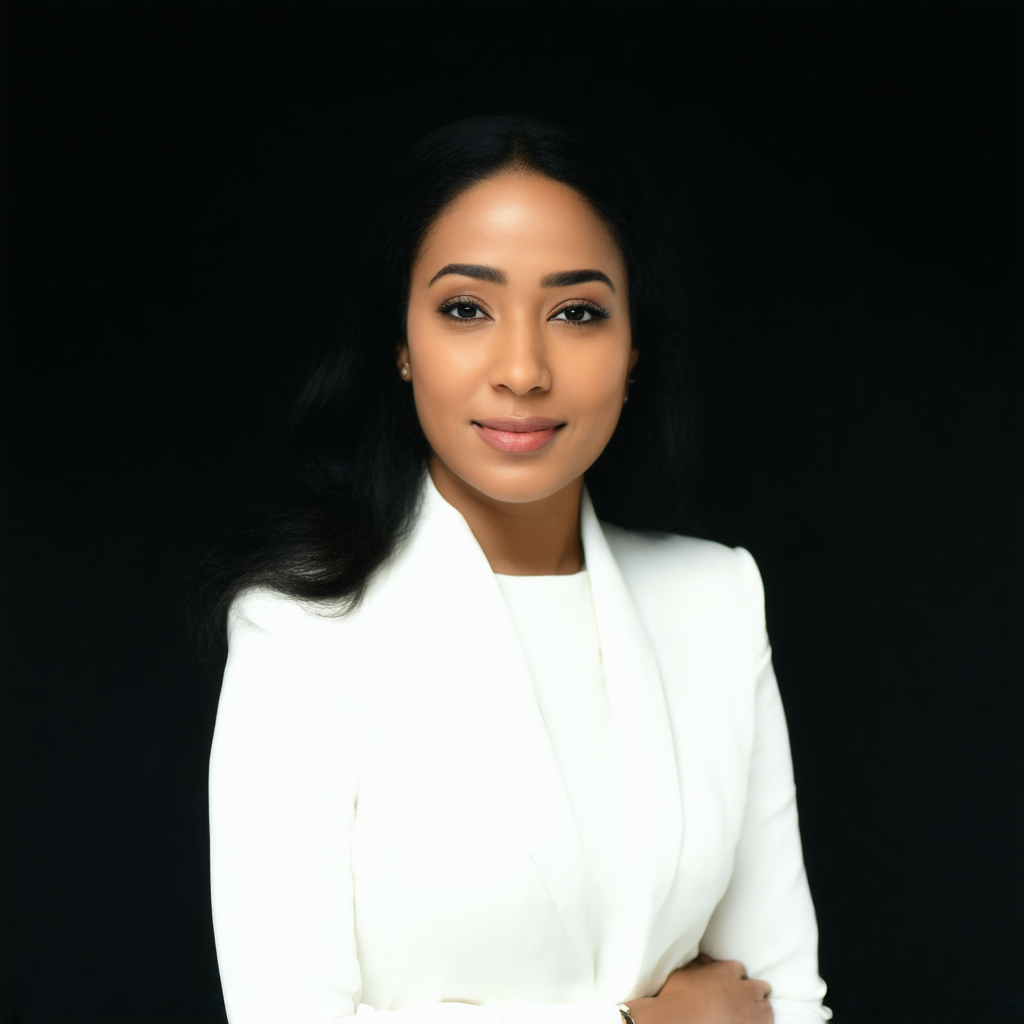 Aisha is an award-winning journalist with a focus on cultural narratives and social justice. Her work explores how local traditions intersect with global dynamics.
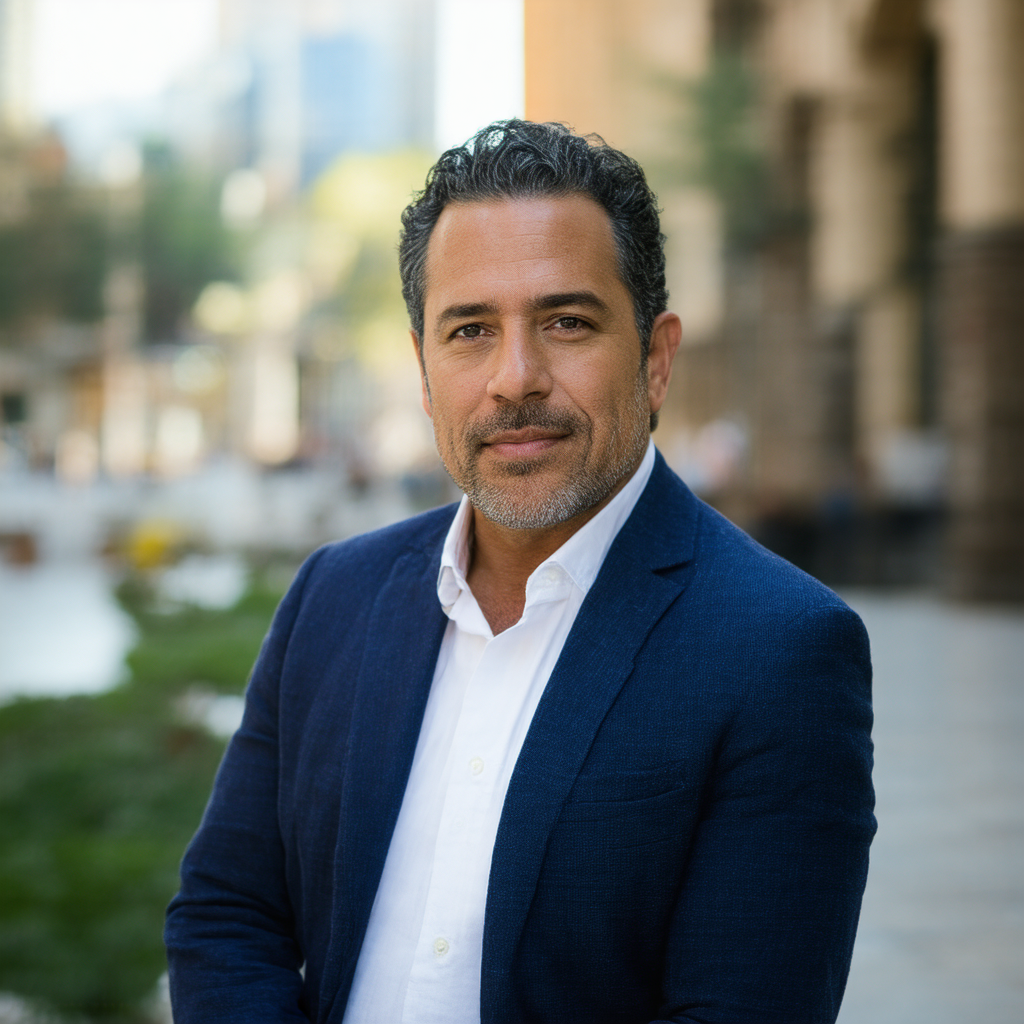 A tech enthusiast and data journalism pioneer, Carlos uses innovative storytelling techniques to uncover trends in global technology and its societal impacts.
 With over 15 years of experience in global journalism, Emily has led award-winning investigative teams and set the editorial direction for numerous publications. Her expertise lies in fostering impactful storytelling that connects diverse communities.
 Fatima is a rising star in investigative journalism, with a focus on uncovering stories that affect marginalized communities. Her work spans South Asia and beyond.
 Hina is a multimedia journalist with a focus on migration and displacement. Her work uses visual storytelling to highlight the human side of global movements.
 Luis brings a unique perspective to global health and science reporting, blending scientific expertise with journalistic storytelling.