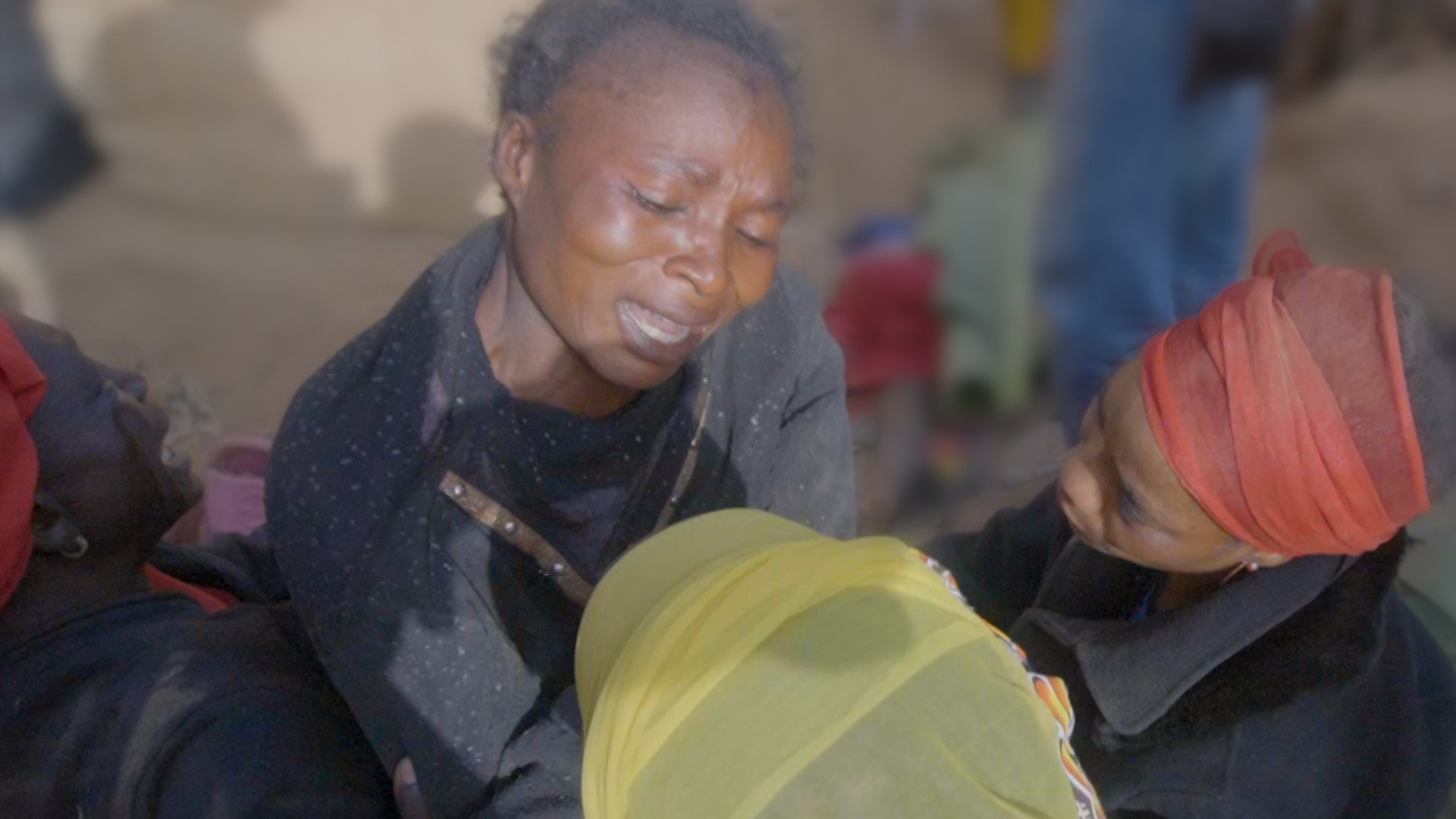
The air in Lagos was thick with tension as news of fresh allegations against Nigerian officials broke earlier this week. The accusations, which surfaced on social media platforms and in independent investigative reports, painted a grim picture of collusion between high-ranking government officials and foreign investors. But as the dust settled, it became clear that these allegations were just the tip of the iceberg.
Nigeria’s denial came swiftly, with government spokespersons releasing statements denying any wrongdoing or collusion. “These claims are baseless and aimed at tarnishing Nigeria’s image,” one official said during a press conference. But beneath this surface-level rebuttal lies a more complex narrative—one that speaks to systemic issues deeply rooted in Nigeria’s political and economic landscape.
The allegations, which first emerged from whistleblowers within the finance ministry, pointed to a web of deals involving lucrative contracts for oil exploration and infrastructure projects. These deals were allegedly brokered without proper oversight or competitive bidding processes, funneling billions of dollars into the hands of select individuals and corporations. While the government has dismissed these claims as fabrications, independent investigators have found credible evidence linking several officials to shadowy offshore accounts.
But this story is not just about individual corruption—it’s about a system that perpetuates inequality and stifles progress. Nigeria, despite its vast natural resources and growing economy, remains a country where the gap between the rich and poor continues to widen. The #EndSARS protests of 2021 brought this disparity into sharp focus, with citizens demanding accountability for police brutality and systemic injustice. Now, these new allegations raise questions about whether Nigeria’s leadership is truly committed to addressing the root causes of its crises.
As the dust settles on this latest scandal, it’s clear that the accusations are unraveling a larger truth: corruption is not an isolated issue in Nigeria—it’s a symptom of a deeper failure of governance. The country’s extractive industries, which generate billions in revenue each year, have done little to improve the lives of ordinary citizens. Instead, they’ve become a tool for enriching a small elite while leaving millions in poverty.
But there is hope. Civil society groups and activists are increasingly using digital platforms to amplify their voices and hold power to account. The rise of investigative journalism and grassroots movements signals a growing demand for transparency and justice. This shift is particularly significant in a country where, until recently, state-controlled media often served as a mouthpiece for the ruling class.
The denial from Nigeria’s government may seek to dismiss these allegations, but the conversation they’ve sparked cannot be ignored. As citizens across the nation continue to demand accountability, the real test lies in whether their leaders will listen—and act. The stakes are high, not just for Nigeria, but for a global community that looks to the country as a key player in Africa’s economic and political future.
In the end, this story is about more than collusion—it’s about the power of truth to expose the systems that perpetuate inequality and injustice. And it’s a reminder that even in the face of denial, the people’s voice can’t be silenced forever.
About the Author:
Emily Carter is Chief Editor at our publication. With over 15 years of experience in global journalism, Emily has led award-winning investigative teams and set the editorial direction for numerous publications. Her expertise lies in fostering impactful storytelling that connects diverse communities.
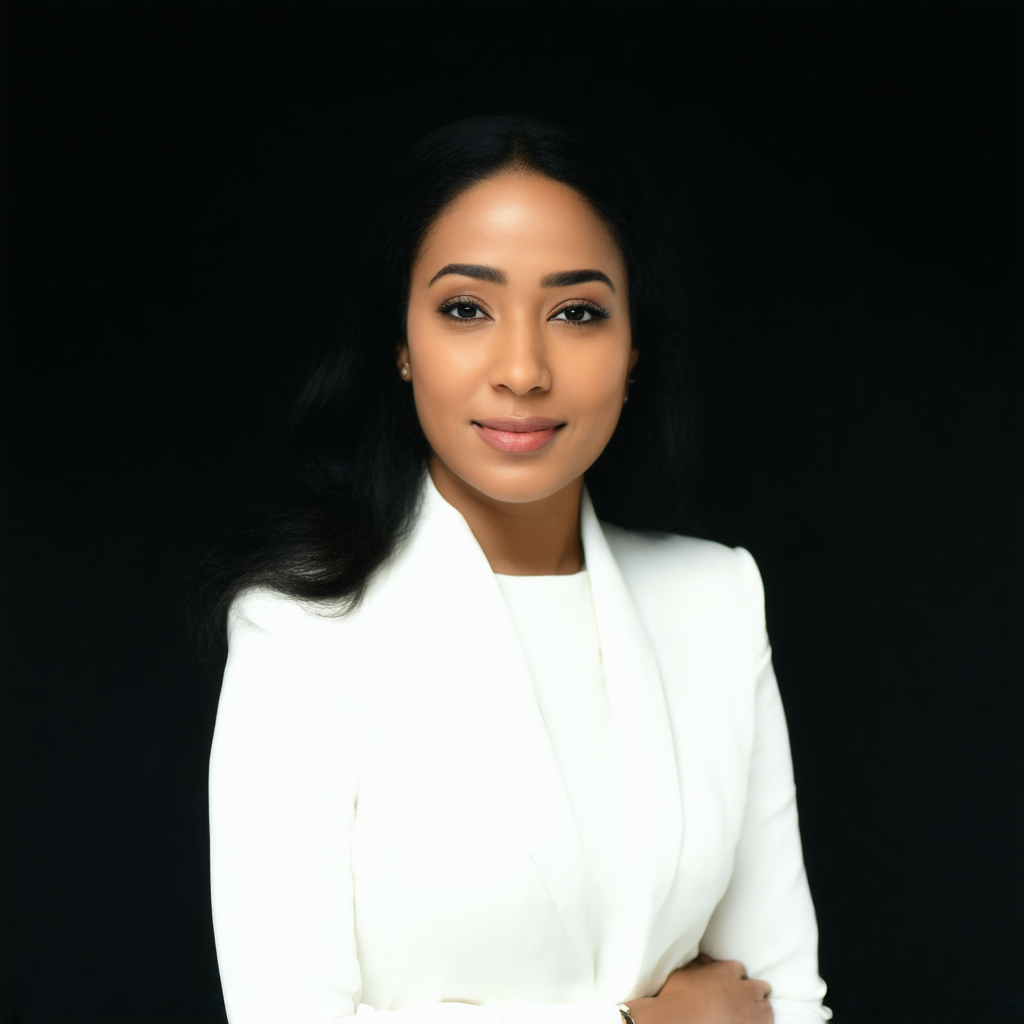 Aisha is an award-winning journalist with a focus on cultural narratives and social justice. Her work explores how local traditions intersect with global dynamics.
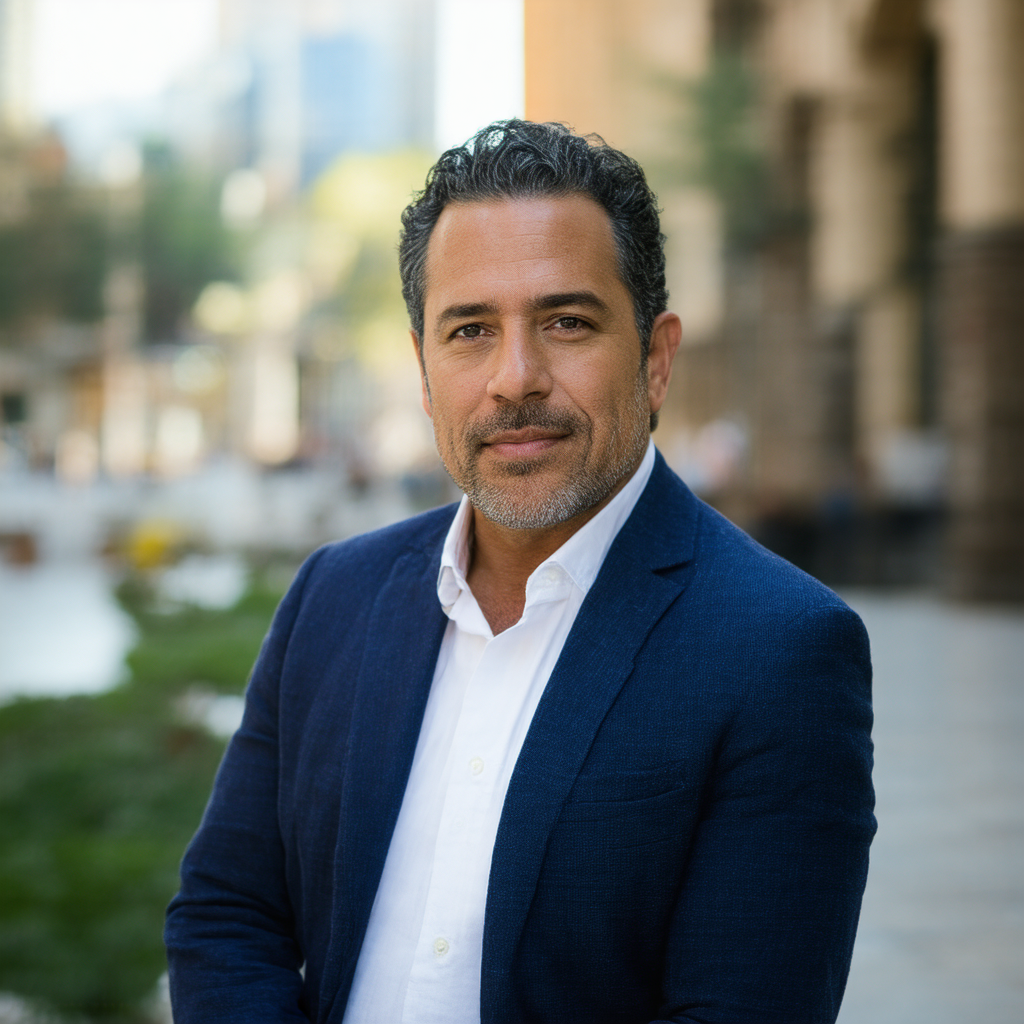 A tech enthusiast and data journalism pioneer, Carlos uses innovative storytelling techniques to uncover trends in global technology and its societal impacts.
 With over 15 years of experience in global journalism, Emily has led award-winning investigative teams and set the editorial direction for numerous publications. Her expertise lies in fostering impactful storytelling that connects diverse communities.
 Fatima is a rising star in investigative journalism, with a focus on uncovering stories that affect marginalized communities. Her work spans South Asia and beyond.
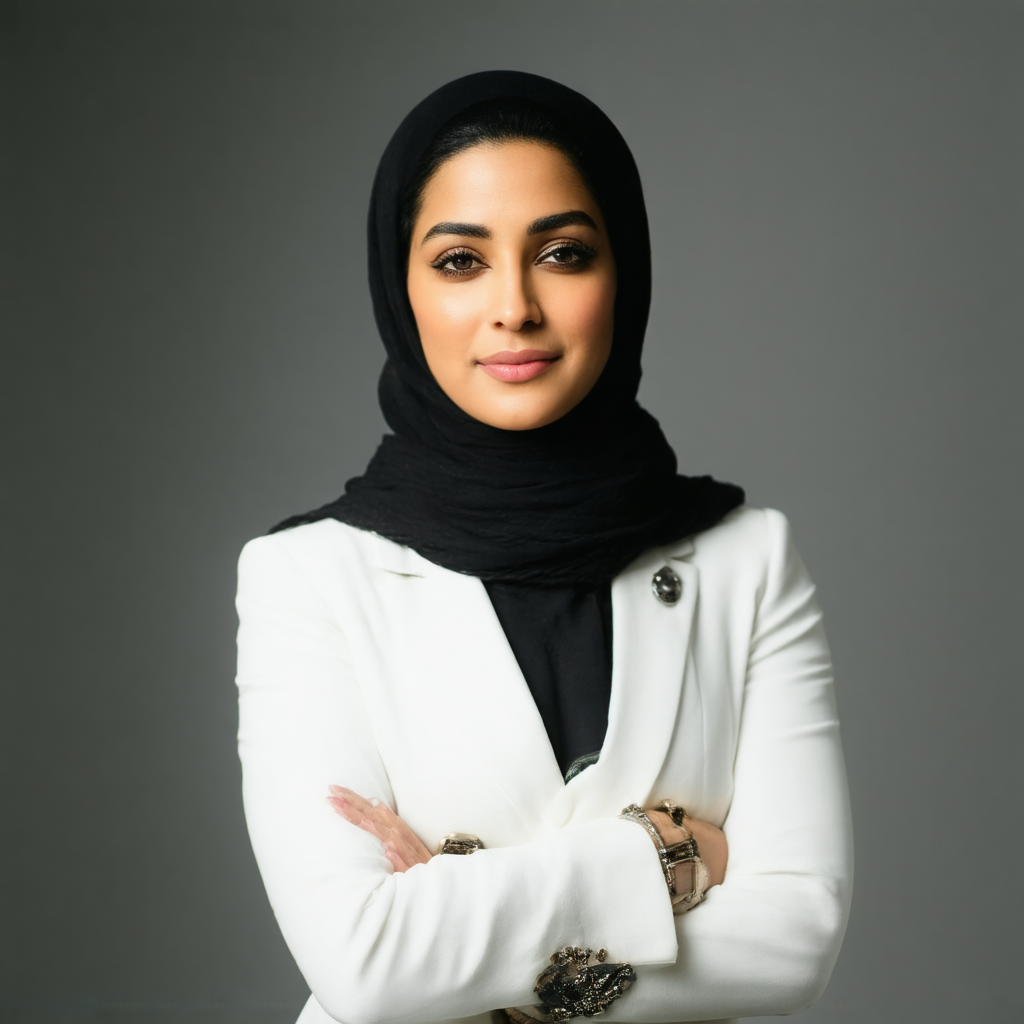 Hina is a multimedia journalist with a focus on migration and displacement. Her work uses visual storytelling to highlight the human side of global movements.
 Luis brings a unique perspective to global health and science reporting, blending scientific expertise with journalistic storytelling.