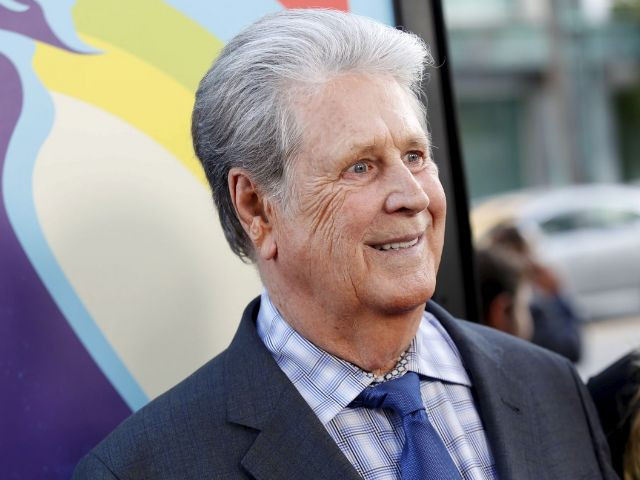
In the dim glow of the historic venue, the air buzzed with anticipation as fans from all walks of life gathered to pay homage to a legend whose music had shaped their lives. The stage was set for an evening that would transcend mere entertainment, becoming a testament to the enduring power of artistry and the unifying force of music.
Brian Wilson, the enigmatic mastermind behind The Beach Boys, had passed away earlier this year, leaving behind a legacy that continues to resonate through generations. His innovative approach to pop music, marked by lush harmonies and genre-blending experimentation, had redefined the sound of the 1960s. Yet, his story was not just one of musical genius—it was also one of struggle and triumph. Wilson’s battles with mental health and personal demons were well-documented, yet he continued to create, even as his career waned in the late ’70s and ’80s.
This tribute concert was more than a celebration of his work; it was a acknowledgment of his humanity—a reminder that even the greatest among us are vulnerable. The evening brought together titans of music, each offering their own interpretation of Wilson’s timeless compositions, weaving a narrative that spanned decades and genres.
Paul McCartney took the stage first, his presence commanding yet humble. Clad in a sleek black suit, he launched into God Only Knows, his voice echoing with reverence as he paid tribute to Wilson’s lyrical depth and musical innovation. “Brian was a genius,” McCartney declared, his words met with a chorus of agreement from the audience. His performance was not just a reimagining but a celebration, capturing the bittersweet essence of Wilson’s work.
Next came Elton John, whose own struggles with mental health gave him a unique perspective on Wilson’s journey. Dressed in a flamboyant outfit that mirrored his larger-than-life personality, Elton delivered a soulful rendition of Good Vibrations. His version was stripped back, allowing the melody to soar, a testament to the song’s enduring appeal. “Brian showed us that music could be both medicine and magic,” he said, his voice steady with emotion.
Bob Dylan, ever the enigmatic figure, took the stage last, his appearance greeted with a mixture of reverence and anticipation. Clad in his signature coat, he performed Surf’s Up with a haunting simplicity. His gravelly voice carried a weight that spoke to the depth of Wilson’s lyrical brilliance, transforming the track into a meditation on loss and longing. “Brian’s music was a lifeline for many,” Dylan intoned, his words resonating long after his performance ended.
As the night drew to a close, the audience rose to their feet, their cheers a collective salute to the evening’s honoree. The concert had become more than a tribute—it was a reminder of the power of music to heal, to unite, and to transcend. In an era marked by division, the evening offered a glimpse of what we could achieve when we come together, not as individuals, but as a collective.
Brian Wilson’s legacy was not just in his music; it was in the lives he had touched, the stories he had given voice to, and the hope he had instilled in those who listened. As the final notes faded into the night, one couldn’t help but wonder: What other legends would we lose, what other voices would be silenced, before their time? And in their absence, how would we find the strength to carry on?
The answer, perhaps, lay in the music itself—a reminder that even in our darkest hours, there is always a melody to guide us home.
About the Author:
Mehdi Hassan is Foreign Correspondent (Middle East) at our publication. A seasoned foreign correspondent with a focus on Middle Eastern affairs, Mehdi brings deep insight into conflict zones and political transitions. His work bridges local narratives with global perspectives.
 Aisha is an award-winning journalist with a focus on cultural narratives and social justice. Her work explores how local traditions intersect with global dynamics.
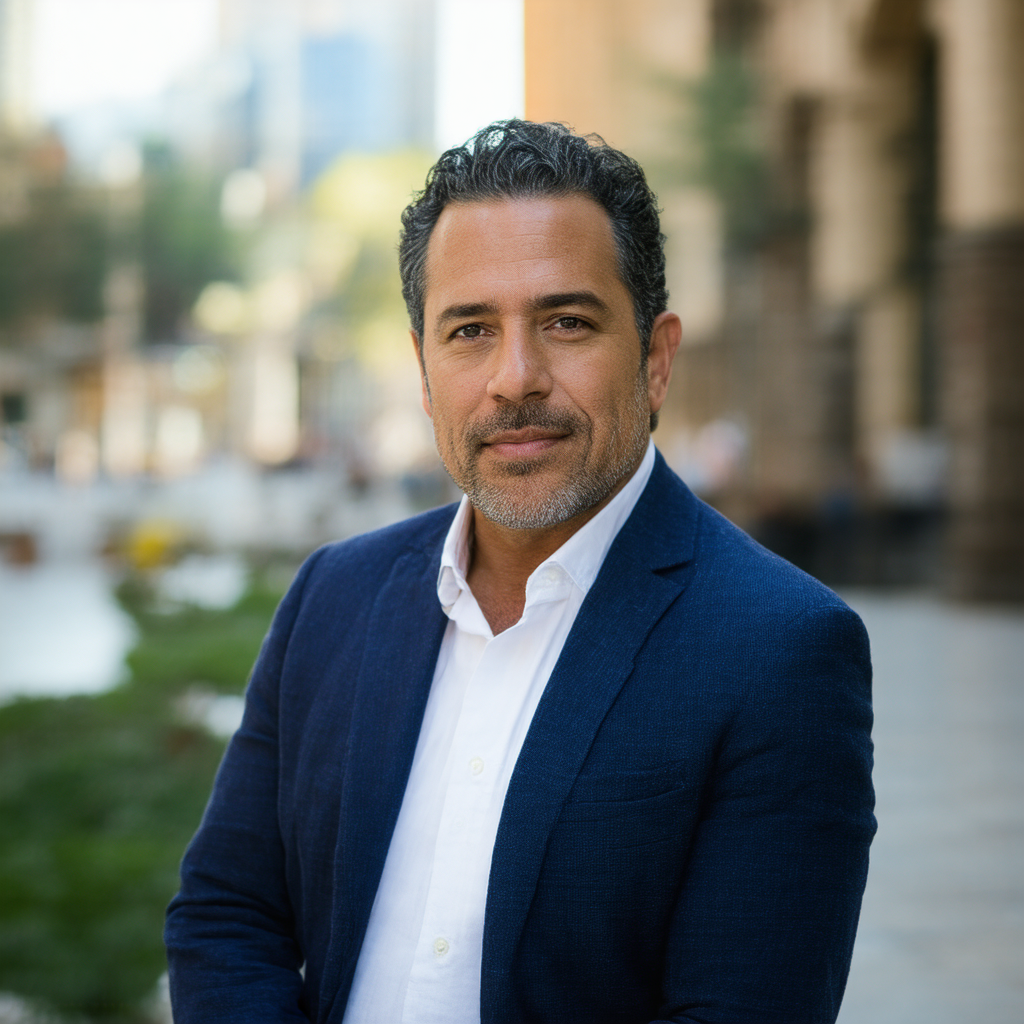 A tech enthusiast and data journalism pioneer, Carlos uses innovative storytelling techniques to uncover trends in global technology and its societal impacts.
 With over 15 years of experience in global journalism, Emily has led award-winning investigative teams and set the editorial direction for numerous publications. Her expertise lies in fostering impactful storytelling that connects diverse communities.
 Fatima is a rising star in investigative journalism, with a focus on uncovering stories that affect marginalized communities. Her work spans South Asia and beyond.
 Hina is a multimedia journalist with a focus on migration and displacement. Her work uses visual storytelling to highlight the human side of global movements.
 Luis brings a unique perspective to global health and science reporting, blending scientific expertise with journalistic storytelling.