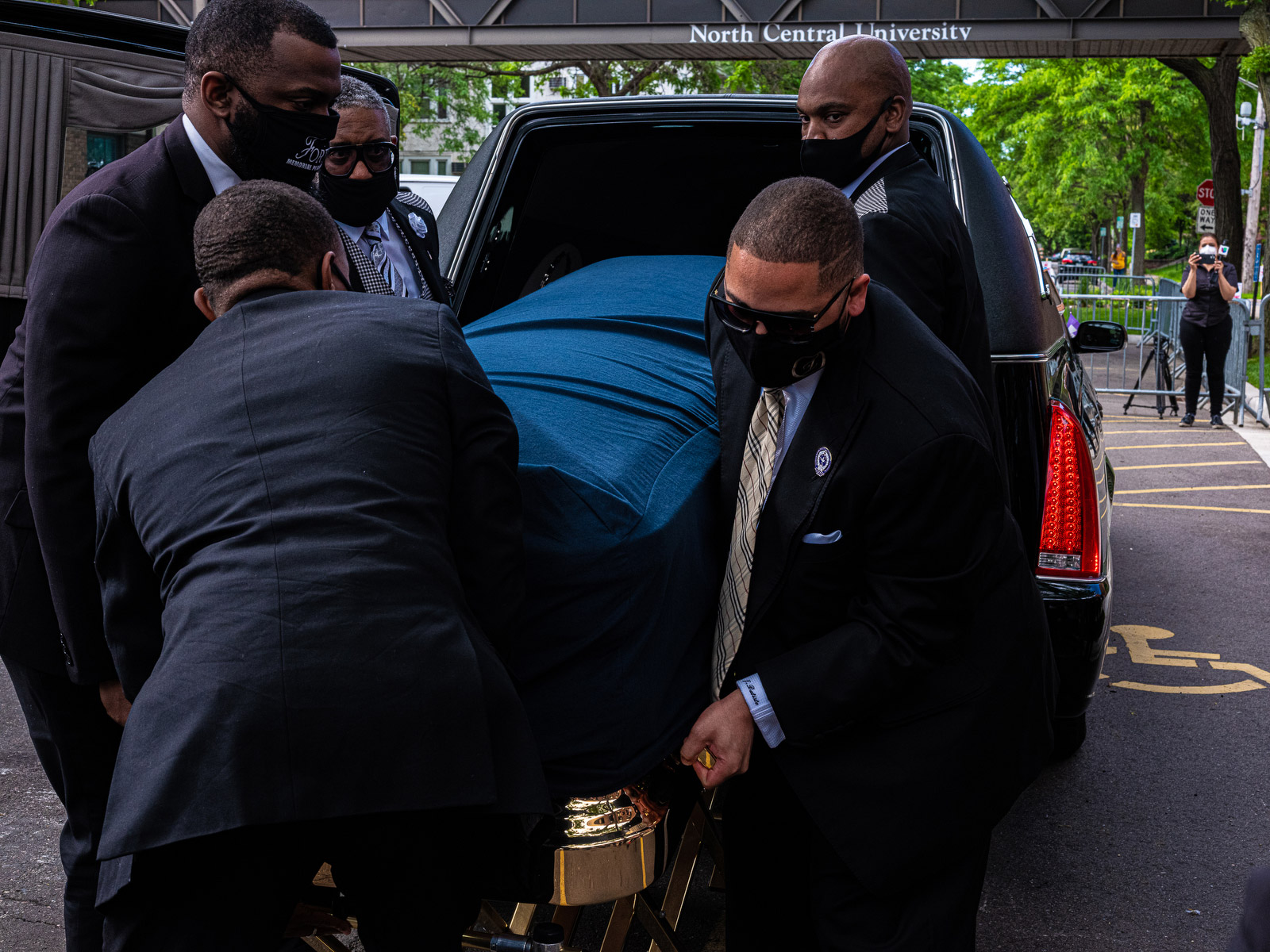
The streets of Minneapolis were alive with a fury that seemed to echo across the globe in the summer of 2020. George Floyd’s murder by police sparked an outcry unlike any seen before—a reckoning with systemic racism and police violence that transcended borders. But as the months turned into years, the world moved on. The hashtags faded, the headlines grew less frequent, and the momentum of a movement began to wane. Yet, in the quiet corners of cities and towns, the legacy of George Floyd continues to reverberate—his name a rallying cry for those who still believe in the possibility of justice.
In India, where the Black Lives Matter movement found a unique resonance, activists have drawn parallels between America’s racial justice struggles and their own battles against caste-based discrimination. In Ahmedabad, a city known for its vibrant art scene, artists began painting murals of Floyd alongside local icons who had fallen victim to systemic oppression. The work was both a tribute and a call to action—a reminder that violence against marginalized communities is not confined to one continent.
But as the global spotlight shifted away from Minneapolis and onto other crises, the challenges faced by activists in India grew more pronounced. Caste-based vigilantism has surged in recent years, with Dalit communities bearing the brunt of both state and societal violence. In rural areas, police often turn a blind eye to atrocities committed against Dalits, perpetuating a cycle of impunity that mirrors the systemic issues faced by Black Americans.
In Pakistan, the conversation around racial justice took a different turn. Activists began to focus on the intersections of race and gender, drawing attention to the disproportionate targeting of Black women by law enforcement. In Lahore, a city with a rich history of progressive thought, grassroots organizations have been working tirelessly to document cases of police brutality and demand accountability.
Yet, even as these movements gain traction, the broader societal shifts that accompanied Floyd’s death seem to be slipping away. In Bangladesh, where the Black Lives Matter movement gained momentum through social media, young activists are now grappling with a sense of disillusionment. The initial wave of solidarity has given way to a more nuanced—and often more contentious—conversation about how best to address systemic inequalities within their own context.
The fading reckoning is not just a matter of shifting attention spans; it’s a reflection of the deep-rooted structures that continue to perpetuate inequality. In all these places, the fight for justice is far from over. The legacy of George Floyd reminds us that true change requires more than hashtags and viral videos—it demands sustained effort, unyielding commitment, and an unwavering belief in the power of collective action.
As we look back on the past few years, one thing becomes clear: the echoes of George Floyd’s legacy are not just a reminder of what was; they are a call to what could be. The work is far from done, but it is this persistent spirit of resistance that gives hope—a quiet testament to the enduring power of marginalized voices.
About the Author:
Fatima Khan is Investigative Reporter at our publication. Fatima is a rising star in investigative journalism, with a focus on uncovering stories that affect marginalized communities. Her work spans South Asia and beyond.
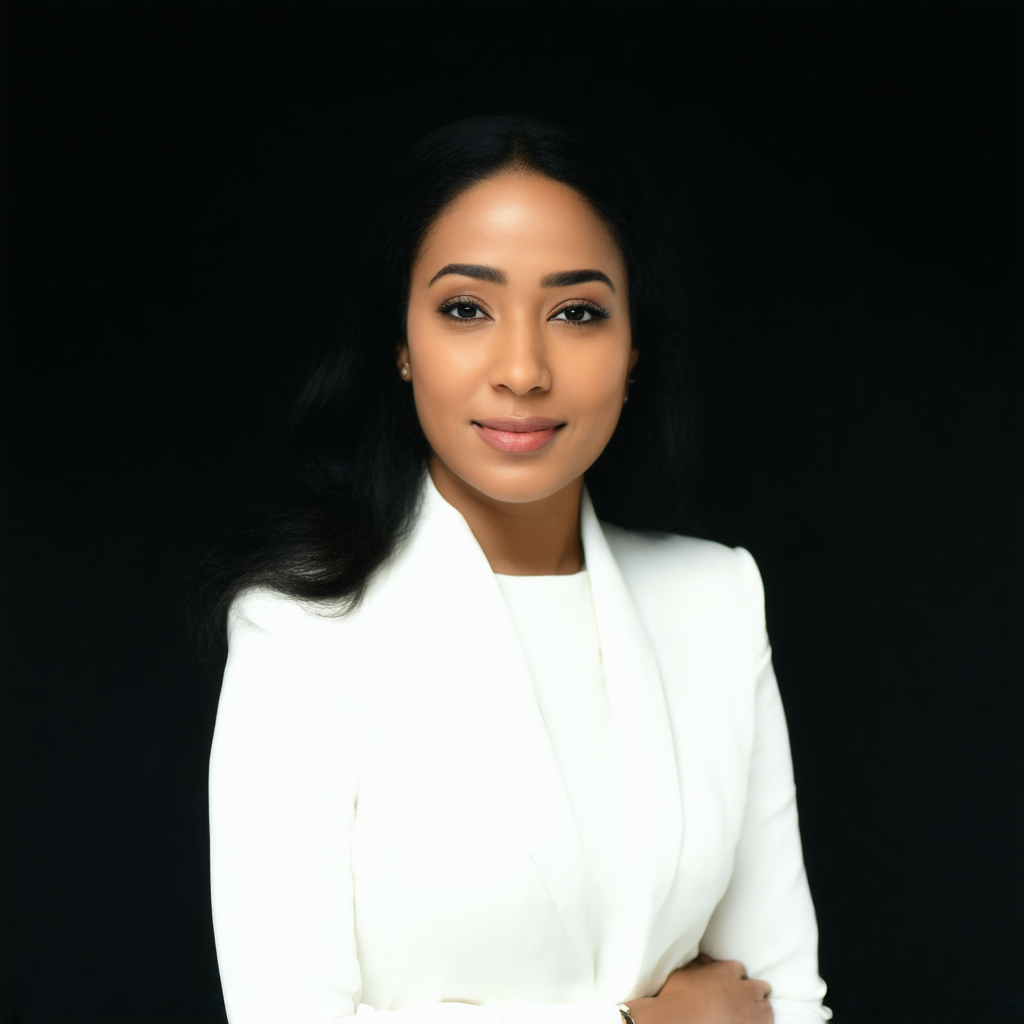 Aisha is an award-winning journalist with a focus on cultural narratives and social justice. Her work explores how local traditions intersect with global dynamics.
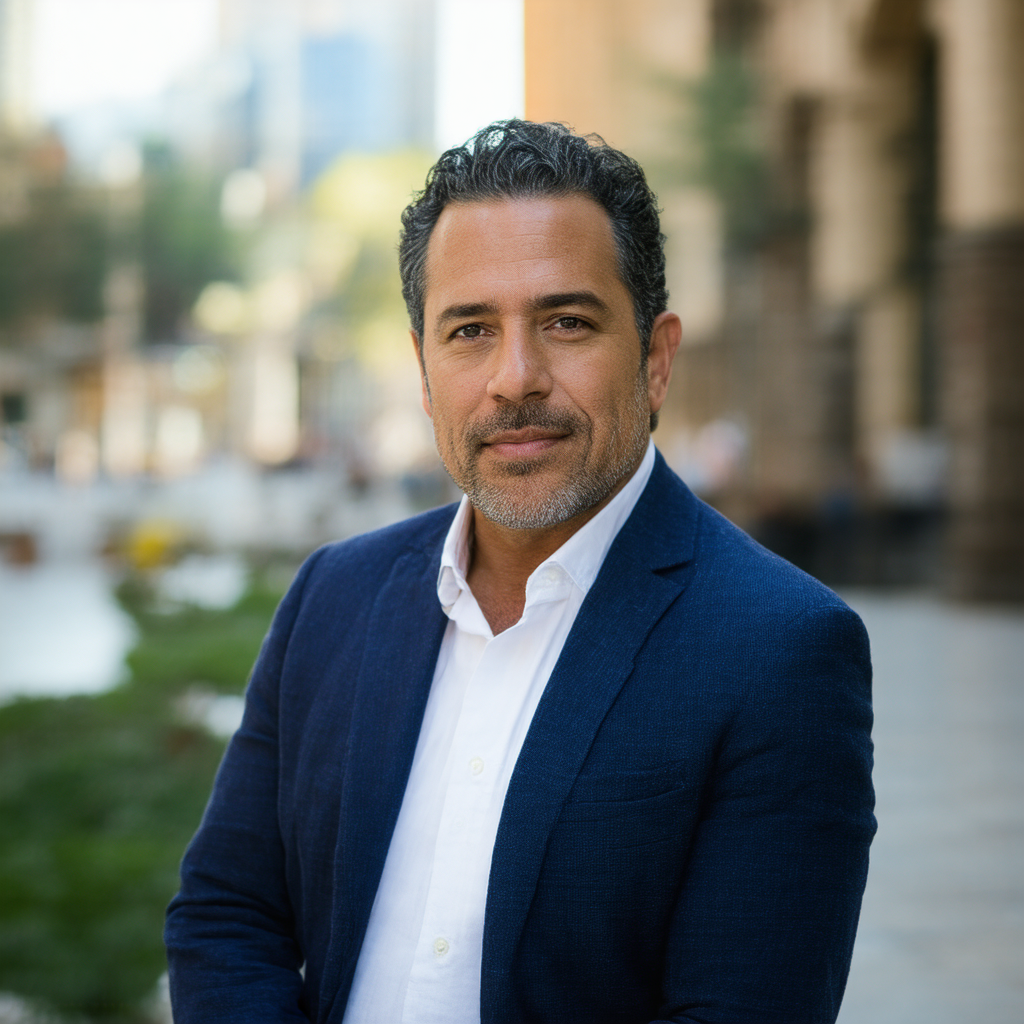 A tech enthusiast and data journalism pioneer, Carlos uses innovative storytelling techniques to uncover trends in global technology and its societal impacts.
 With over 15 years of experience in global journalism, Emily has led award-winning investigative teams and set the editorial direction for numerous publications. Her expertise lies in fostering impactful storytelling that connects diverse communities.
 Fatima is a rising star in investigative journalism, with a focus on uncovering stories that affect marginalized communities. Her work spans South Asia and beyond.
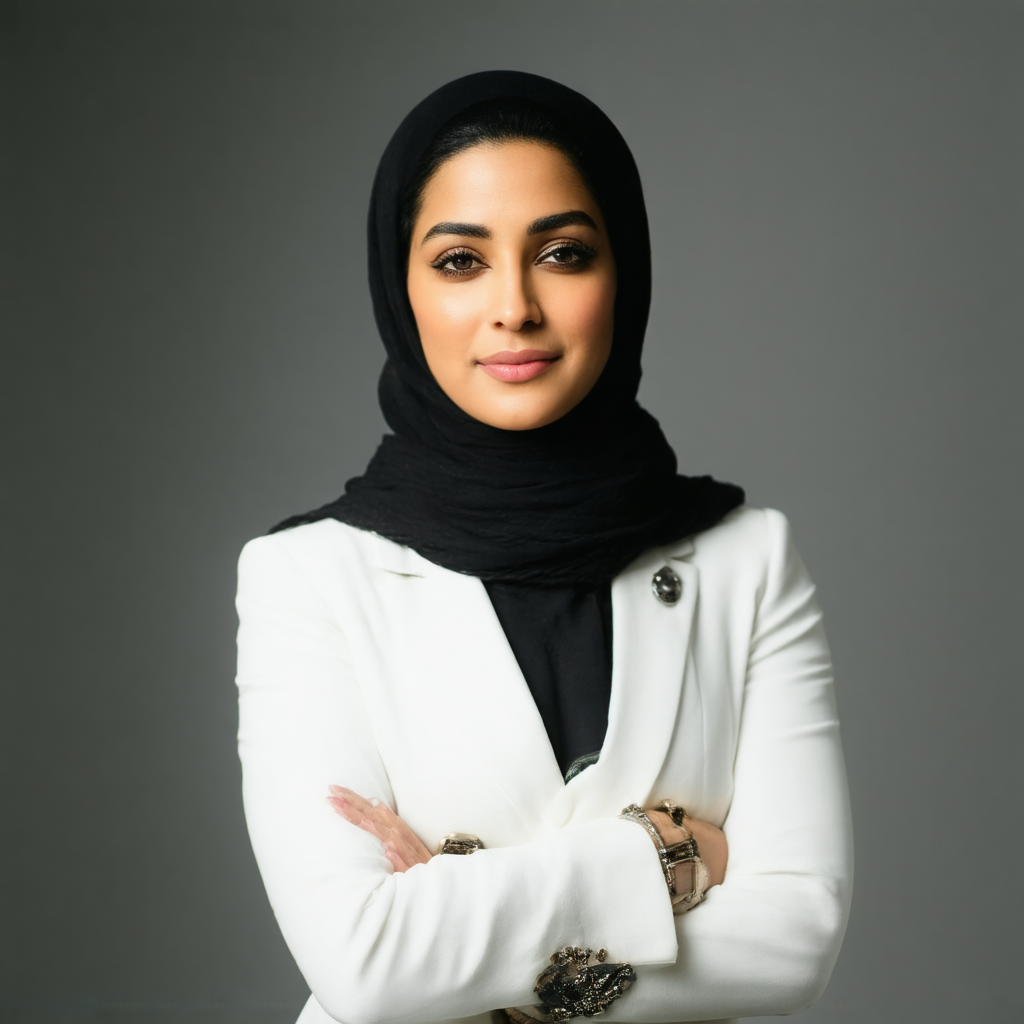 Hina is a multimedia journalist with a focus on migration and displacement. Her work uses visual storytelling to highlight the human side of global movements.
 Luis brings a unique perspective to global health and science reporting, blending scientific expertise with journalistic storytelling.