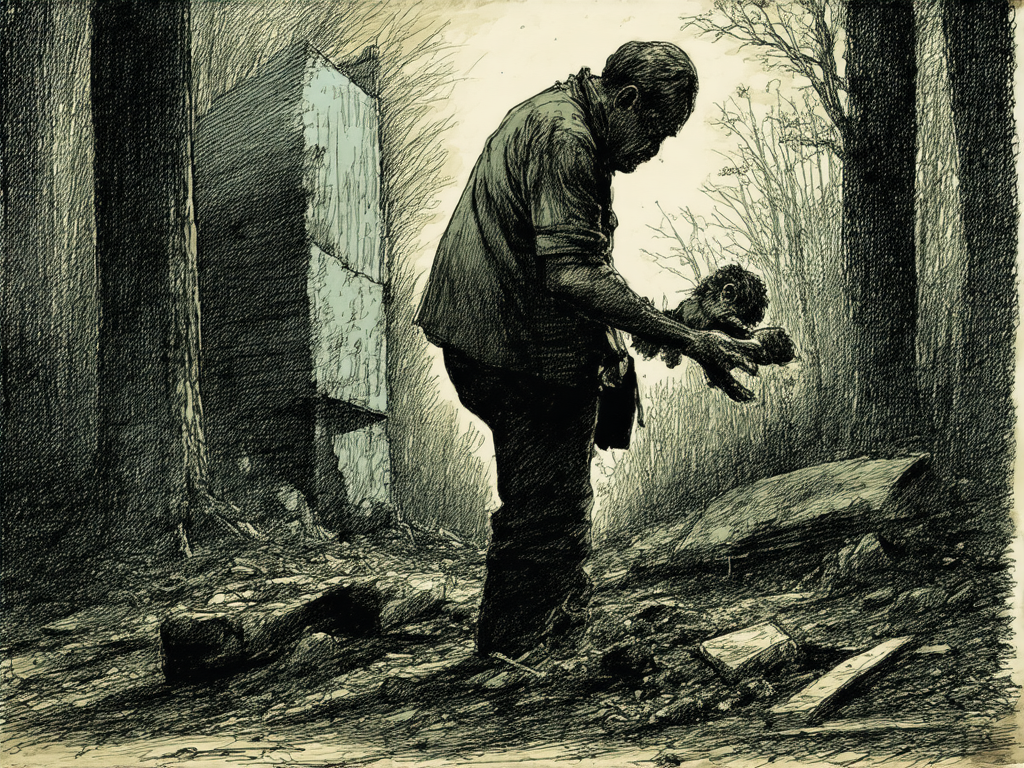
The Tennessee Tragedy: A Tale of Technology and Resilience
In a remote stretch of highway in eastern Tennessee, a tragic collision occurred between a school bus carrying 65 children and an 18-wheeler. The aftermath left 10 confirmed fatalities and 18 individuals unaccounted for, sparking a collective grief across the nation.
The Tragedy Unfolds
The scene was one of devastation: twisted metal, scattered debris, and broken lives. Emergency services utilized cutting-edge technology to locate survivors and missing persons, employing drones for aerial surveillance and GPS tracking devices to monitor recovery efforts. These tools not only aided in rescue operations but also provided real-time updates to the public, enhancing transparency and community engagement.
Search for Answers
Families of the victims faced an excruciating wait for news, their hopes clinging to each update from authorities. Calls for justice echoed through town halls and social media, urging accountability. Advocates highlighted potential systemic failures—faulty vehicle systems and inadequate infrastructure—as contributing factors, pointing to broader issues in safety regulations.
Community Spirit
Amidst the chaos, the community rallied together, reminiscent of post-9/11 unity. Neighbors opened homes to displaced families, while local businesses donated resources. Tech volunteers set up digital platforms for missing persons reports and fundraising, showcasing how technology can amplify human compassion on a large scale.
Reflections on Safety and Inequality
The tragedy underscores the intersection of technology and societal challenges. While innovations like black boxes and GPS tracking were pivotal in understanding the accident’s cause, they also revealed underlying systemic issues—inequalities in infrastructure and regulation that disproportionately affect rural communities. This incident serves as a catalyst for reevaluating safety standards and equity in resource allocation.
As Tennessee heals, the community’s resilience and technological adaptability offer hope. The tragedy is not just a loss but a call to action—a reminder of humanity’s capacity for innovation and solidarity in the face of adversity.
About the Author:
Carlos Gutierrez is Technology Analyst at our publication. A tech enthusiast and data journalism pioneer, Carlos uses innovative storytelling techniques to uncover trends in global technology and its societal impacts.
 Aisha is an award-winning journalist with a focus on cultural narratives and social justice. Her work explores how local traditions intersect with global dynamics.
 A tech enthusiast and data journalism pioneer, Carlos uses innovative storytelling techniques to uncover trends in global technology and its societal impacts.
 With over 15 years of experience in global journalism, Emily has led award-winning investigative teams and set the editorial direction for numerous publications. Her expertise lies in fostering impactful storytelling that connects diverse communities.
 Fatima is a rising star in investigative journalism, with a focus on uncovering stories that affect marginalized communities. Her work spans South Asia and beyond.
 Hina is a multimedia journalist with a focus on migration and displacement. Her work uses visual storytelling to highlight the human side of global movements.
 Luis brings a unique perspective to global health and science reporting, blending scientific expertise with journalistic storytelling.