Diplomats Walk Out in Protest as Netanyahu Dismisses Palestinian Rights
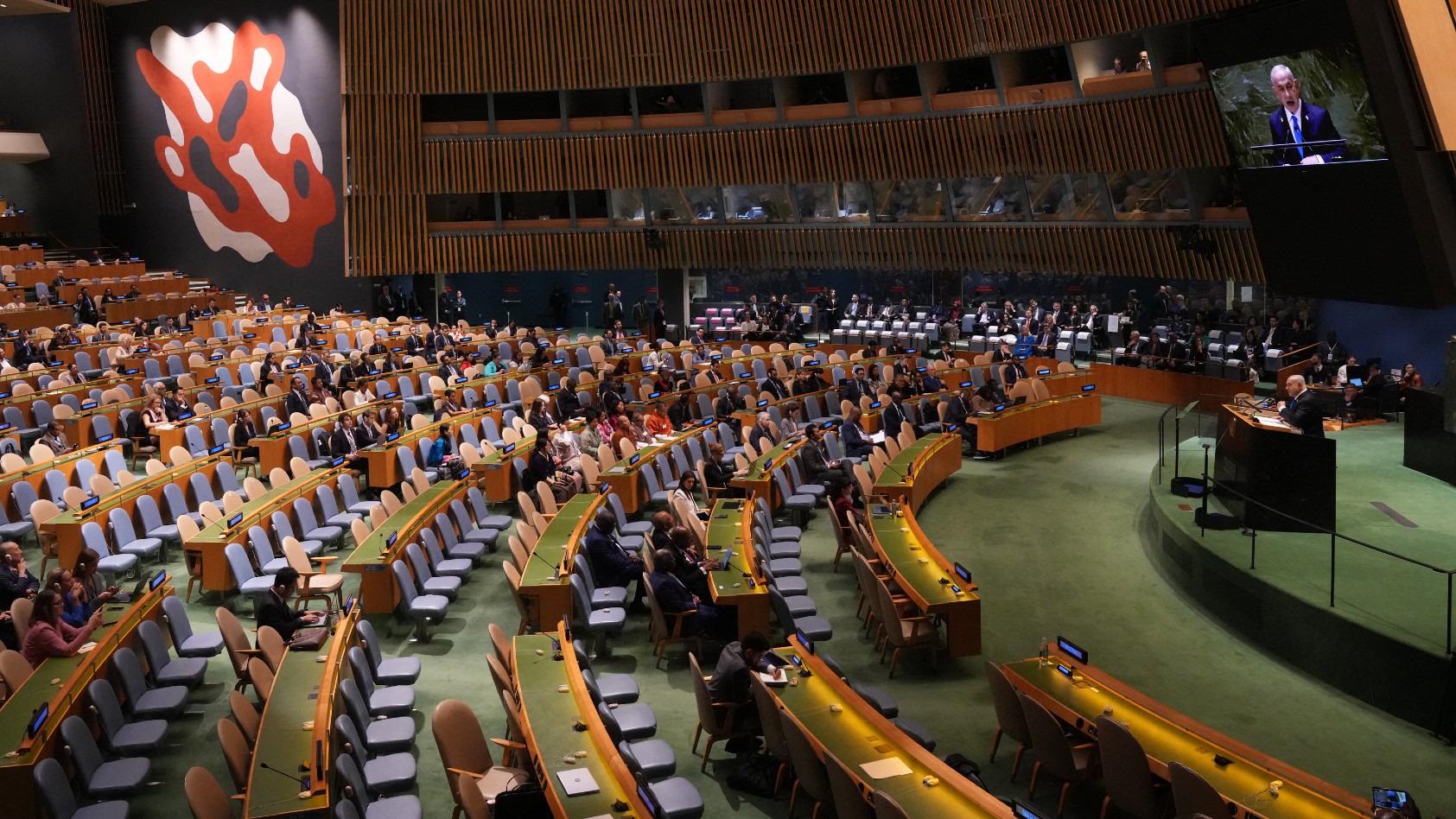
In a dramatic display of global solidarity, diplomats from across the world walked out of the United Nations General Assembly this week in protest over Israeli Prime Minister Benjamin Netanyahu’s dismissive remarks about Palestinian rights. The scene unfolded during Netanyahu’s speech, where he doubled down on his government’s policies of settlement expansion and refused to acknowledge the legitimate aspirations of the Palestinian people. The walk-out was a powerful statement, not just about Palestinian rights, but about the collective failure of international diplomacy to address one of the world’s most intractable conflicts.
A Scene at the UN
The air inside the grand halls of the United Nations was thick with tension as Netanyahu began his address. World leaders and diplomats listened intently, many exchanging glances of discomfort. When Netanyahu referred to Palestine as a “non-state” and dismissed the idea of a two-state solution, reactions erupted across the assembly. Delegates from Arab nations, Latin America, and Europe exchanged whispered consultations before rising one by one to express their outrage.
It was a Palestinian diplomat who first broke the silence. She stood tall, her voice steady despite the emotion, and called on the international community to recognize the “erosion of our collective conscience” in failing to protect Palestinian rights. Her words resonated deeply, and within minutes, more than two dozen diplomats had left their seats, leaving a trail of empty chairs behind them as they filed out of the chamber.
A Call to Action
The walk-out was not just a symbolic gesture; it was a clarion call for accountability. For years, the Palestinian people have endured systemic oppression, displacement, and the denial of basic human rights under Israel’s occupation. Their struggle is not just about land; it’s about dignity, self-determination, and justice. Yet, as the example at the UN showed, their voices are often drowned out by those in power.
This week’s protest sends a clear message: the international community cannot continue to turn a blind eye to the systematic violations of Palestinian rights. It’s time to move beyond empty resolutions and rhetoric and take concrete steps to hold Israel accountable for its actions. Whether through economic sanctions, diplomatic isolation, or moral encouragement, the world must stand in solidarity with the Palestinian people until their rights are fully recognized.
The Grassroots Movement
But the fight for Palestinian rights isn’t just happening on the international stage—it’s being led by ordinary people across the globe. From North America to Europe, from Latin America to Asia, activists, artists, and academics are mobilizing in unprecedented numbers to amplify the Palestinian narrative. Their efforts are as diverse as they are impactful: from organizing teach-ins to creating art that challenges stereotypes, these grassroots movements are reshaping the conversation around Palestine.
One such movement is the #BoycottIsrael campaign, which has gained momentum in recent years. Proponents argue that until Israel respects Palestinian rights and withdraws from occupied territories, there can be no business as usual with a state that continues to perpetuate apartheid. While some have criticized the boycott for its broad approach, others see it as a necessary step to force change.
Lessons from History
Looking back, the Palestinian struggle is not unlike other liberation movements throughout history—movements that were once dismissed as impossible but eventually achieved their goals through persistence and international solidarity. Think of South Africa’s fight against apartheid: it wasn’t until global pressure, economic sanctions, and moral persuasion that the regime finally collapsed. The same could be true for Palestine if the world chooses to act decisively.
But time is running out. With each passing day, Israel’s settlements encroach further into Palestinian lands, making the possibility of a two-state solution more distant. The situation on the ground grows more dire, with Palestinians facing daily humiliations at checkpoints, arbitrary arrests, and the destruction of their homes.
A Path Forward
For peace to prevail, both Israelis and Palestinians must recognize that there is no future in continued conflict. The status quo benefits neither side, and the international community must do more than just issue statements—it must take action. This could include supporting Palestinian-led initiatives for self-governance, advocating for UN membership, and pressuring Israel to halt its settlement activities.
Ultimately, the path forward requires a reimagining of what justice looks like in this conflicted land. It’s not enough to demand Palestinian rights; we must also address the root causes of the conflict—colonialism, resource extraction, and systemic inequality. Only then can we hope to build a future where both Israelis and Palestinians can thrive together in peace.
As the diplomats walked out of the UN this week, they sent a message that was as much about Palestinian rights as it was about the collective conscience of humanity. The question now is: Will the world respond? Or will we continue to allow justice to be stifled by political expediency and complacency? The time for action—meaningful, bold, and unyielding—is long overdue.
About the Author:
Priya Patel is Environment Reporter at our publication. Specializing in environmental journalism, Priya has reported from the frontlines of climate change impacts around the world. Her work highlights the intersection of ecology and human communities.
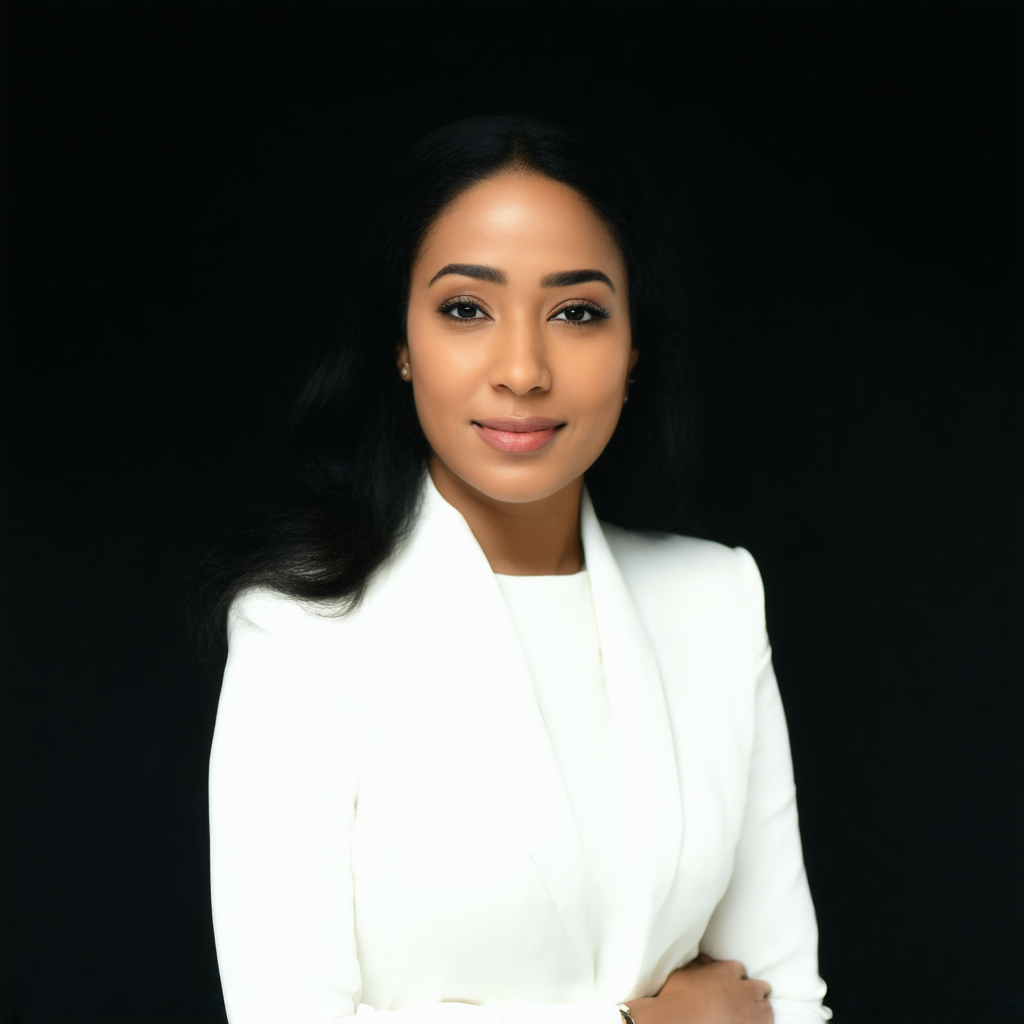 Aisha is an award-winning journalist with a focus on cultural narratives and social justice. Her work explores how local traditions intersect with global dynamics.
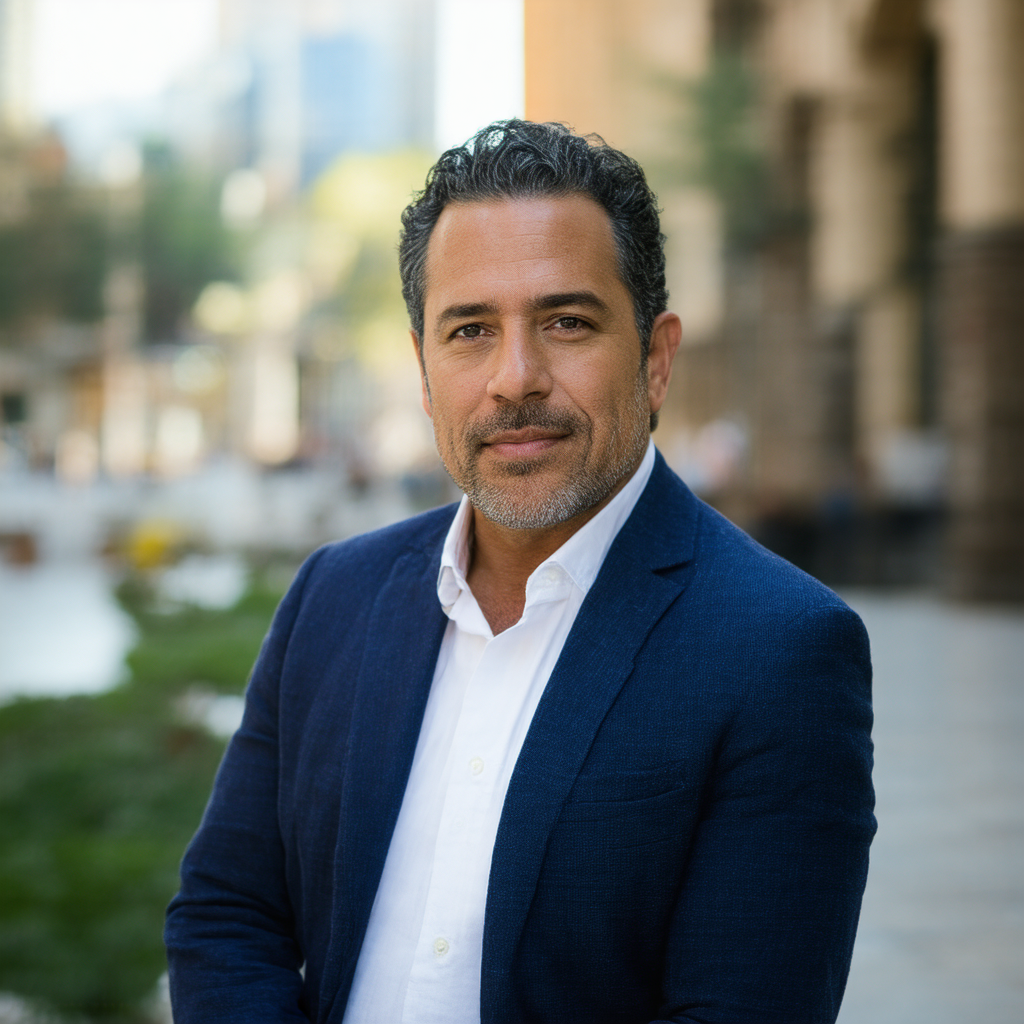 A tech enthusiast and data journalism pioneer, Carlos uses innovative storytelling techniques to uncover trends in global technology and its societal impacts.
 With over 15 years of experience in global journalism, Emily has led award-winning investigative teams and set the editorial direction for numerous publications. Her expertise lies in fostering impactful storytelling that connects diverse communities.
 Fatima is a rising star in investigative journalism, with a focus on uncovering stories that affect marginalized communities. Her work spans South Asia and beyond.
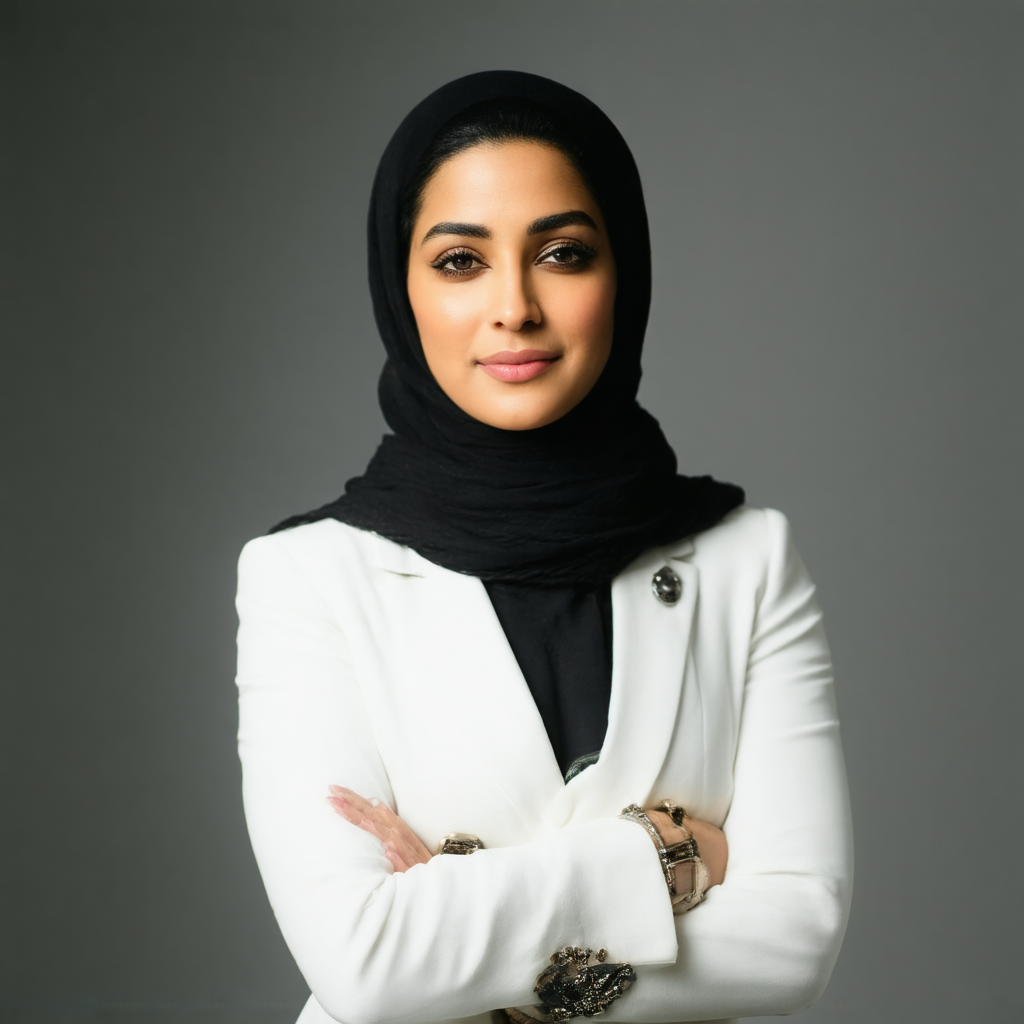 Hina is a multimedia journalist with a focus on migration and displacement. Her work uses visual storytelling to highlight the human side of global movements.
 Luis brings a unique perspective to global health and science reporting, blending scientific expertise with journalistic storytelling.