Tragedy Strikes as Warnings of Preventable Errors Go Unheeded
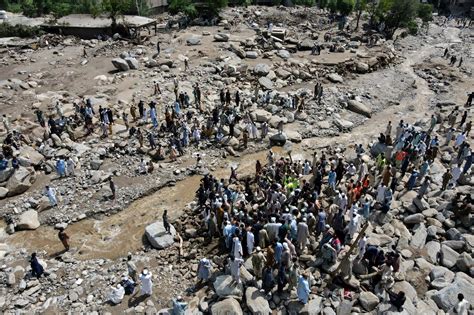
In the quiet town of Rahimiyar, nestled among the verdant hills of northern Pakistan, life once wove together tradition and resilience. In late summer, that fabric was torn apart when a newly constructed dam on the Indus River burst, unleashing a torrent that swept away entire villages.
Among the victims was Aisha Khan, a young mother whose life was cut short, leaving her two children orphaned. Her husband now wanders the ruins, each mention of his wife’s name breaking his heart.
This disaster was not an isolated accident. It was the culmination of a series of preventable errors, ignored warnings, and systemic neglect. For years villagers voiced concerns about the dam’s construction, but their pleas were drowned out by machinery and the promise of progress.
The story began in 2018, when engineers from an international firm identified structural weaknesses in the dam’s design. Their report was buried under bureaucracy and never acted upon. Meanwhile, a grassroots movement of eco‑activists and indigenous leaders protested the dam’s environmental impact, only to be dismissed as radical.
When the dam failed, it became clear that the warnings had been deliberately silenced. Corporate executives, politicians, and regulatory bodies chose profit over people, masking their decisions in corruption.
Human Cost
- Approximately 1,200 lives lost
- Thousands rendered homeless
- An entire way of life irrevocably altered
Survivors’ stories testify to human resilience, but they also highlight how fragile systems become when power trumps justice.
Seeds of Hope Grassroots movements, once muted, have now gained momentum through social media and international solidarity. Survivors have organized collectives demanding accountability and advocating for a future where human rights are not sacrificed for development.
In Rahimiyar, Aisha Khan’s husband leads a campaign to keep her memory alive as a symbol of resistance. The community has become a beacon of resilience, showing that collective action can foster change even after overwhelming tragedy.
Looking ahead the lessons from Rahimiyar are clear: progress must be rooted in justice and equity, leaving no one behind. Preventable errors must be acknowledged, and warnings heeded, to build a future where marginalized voices are heard and human rights upheld.
About the Author:
Fatima Khan is Investigative Reporter at our publication. Fatima is a rising star in investigative journalism, with a focus on uncovering stories that affect marginalized communities. Her work spans South Asia and beyond.
 Aisha is an award-winning journalist with a focus on cultural narratives and social justice. Her work explores how local traditions intersect with global dynamics.
 A tech enthusiast and data journalism pioneer, Carlos uses innovative storytelling techniques to uncover trends in global technology and its societal impacts.
 With over 15 years of experience in global journalism, Emily has led award-winning investigative teams and set the editorial direction for numerous publications. Her expertise lies in fostering impactful storytelling that connects diverse communities.
 Fatima is a rising star in investigative journalism, with a focus on uncovering stories that affect marginalized communities. Her work spans South Asia and beyond.
 Hina is a multimedia journalist with a focus on migration and displacement. Her work uses visual storytelling to highlight the human side of global movements.
 Luis brings a unique perspective to global health and science reporting, blending scientific expertise with journalistic storytelling.