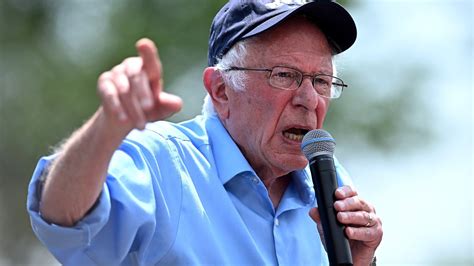
In a world where borders blur and policies ripple across continents, the clash of ideologies between Bernie Sanders and Donald Trump on Venezuela’s affairs serves as a microcosm of broader global tensions. This political dustup isn’t just about two leaders; it’s a story of power, human rights, and the enduring struggle for justice—a narrative that resonates deeply in regions like Africa and Europe, where colonial legacies and modern interventions shape identities and futures.
Venezuela, a nation rich in cultural heritage and resilience, has become a battleground for U.S. influence. Sanders’ critique of Trump’s approach isn’t merely political posturing; it’s a call to uphold the principles of human rights amidst a complex web of economic sanctions and diplomatic pressure. The stakes are high: at issue is whether Venezuela’s sovereignty can coexist with international concerns over democracy and governance.
Trump’s administration, often characterized by unilateral actions, has imposed stringent sanctions on Venezuela, arguing them necessary to protect human rights. Yet, these measures have deepened the country’s economic crisis, squeezing the livelihoods of ordinary Venezuelans. It’s a familiar narrative: the imposition of external will in the name of justice, reminiscent of colonial era interventions.
Sanders, with his progressive lens, counters that such overreach undermines democratic processes and risks entrenching authoritarianism. He advocates for a multilateral approach, emphasizing dialogue and respecting Venezuela’s sovereignty—a stance that echoes the growing global movement toward respectful international relations.
But this isn’t just about Venezuela. It’s a broader conversation on how powerful nations interact with smaller or resource-rich states. In Africa, similar dynamics play out in conflicts over resources and governance, where external干预 often complicates local efforts for peace and justice. Europe, grappling with its colonial past, sees these debates through the lens of accountability and sovereignty.
Drawing parallels to historical interventions in Africa and Europe, it’s clear that the tactics used in Venezuela aren’t isolated incidents but part of a continuum of global power struggles. Just as European powers once colonized African lands, modern interventions risk undermining local agency and cultural identities. The resistance movements in Venezuela, akin to those in African decolonization efforts, highlight the enduring human spirit’s quest for self-determination.
In this light, Sanders’ critique isn’t just about politics; it’s a call to honor the principles of justice and sovereignty that underpin progressive values. It’s a reminder that true peace and conflict resolution require nuanced approaches that respect local cultures and identities, fostering dialogue over dominance.
As global citizens, we’re implicated in these narratives—whether through our silence or advocacy. The conversation around Venezuela’s future is not just about its people but about how the international community navigates power and justice in an interconnected world. It’s a story that continues to unfold, one where cultural narratives and progressive values must guide us toward a more equitable tomorrow.
About the Author:
Aisha Ali is Cultural Correspondent at our publication. Aisha is an award-winning journalist with a focus on cultural narratives and social justice. Her work explores how local traditions intersect with global dynamics.
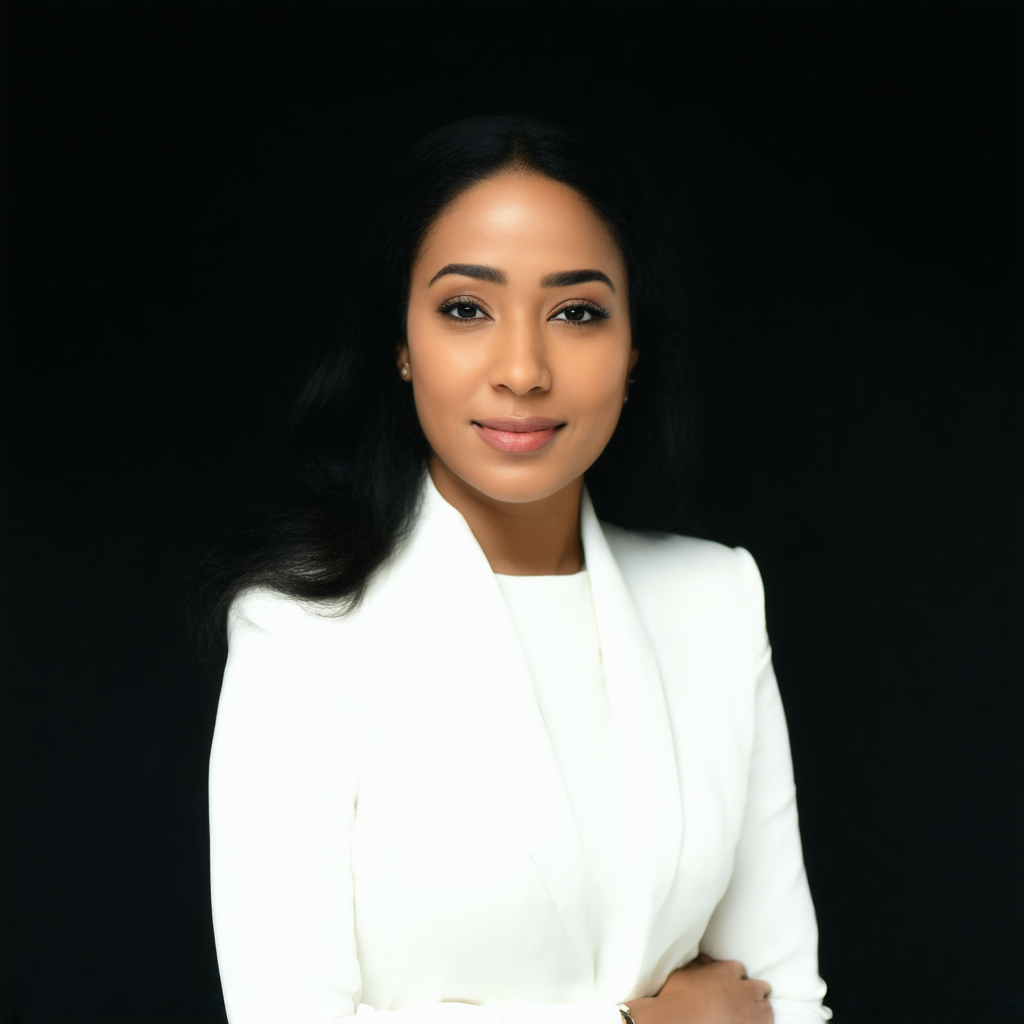 Aisha is an award-winning journalist with a focus on cultural narratives and social justice. Her work explores how local traditions intersect with global dynamics.
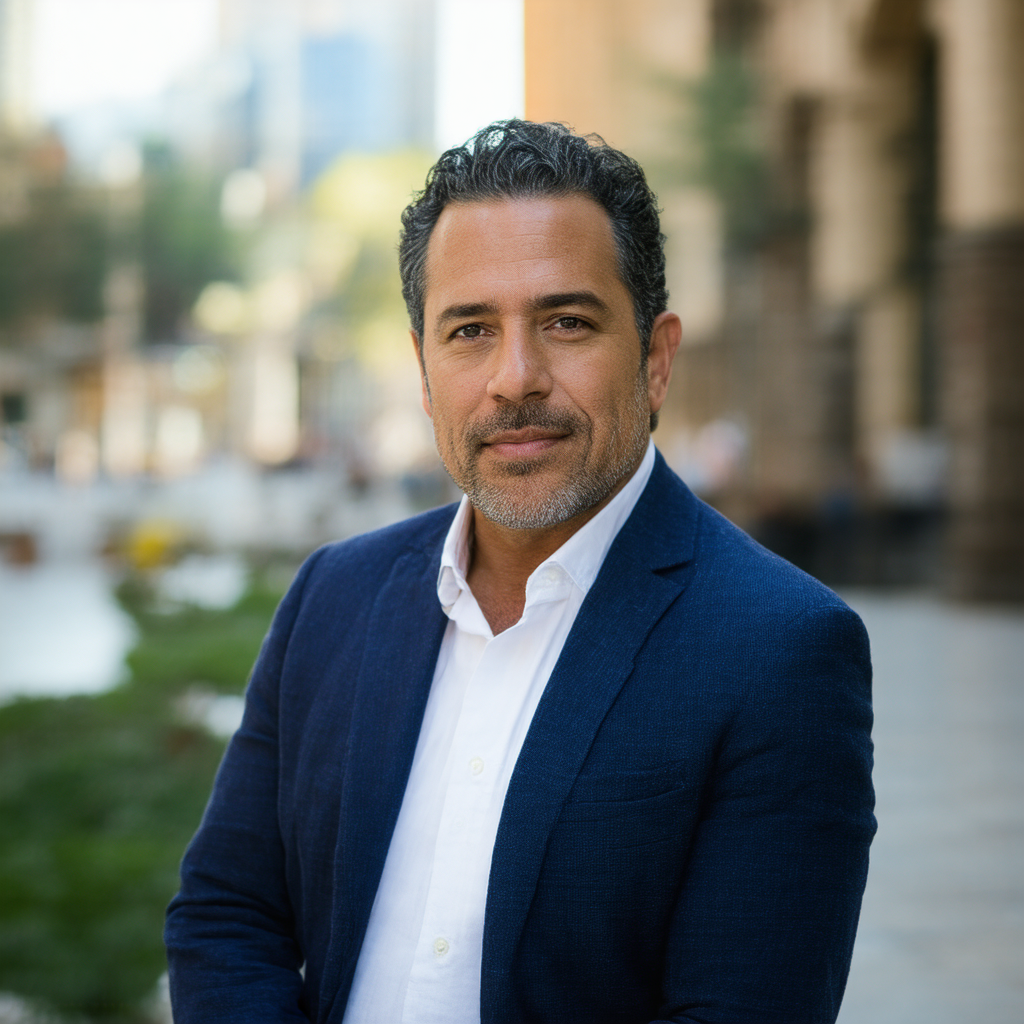 A tech enthusiast and data journalism pioneer, Carlos uses innovative storytelling techniques to uncover trends in global technology and its societal impacts.
 With over 15 years of experience in global journalism, Emily has led award-winning investigative teams and set the editorial direction for numerous publications. Her expertise lies in fostering impactful storytelling that connects diverse communities.
 Fatima is a rising star in investigative journalism, with a focus on uncovering stories that affect marginalized communities. Her work spans South Asia and beyond.
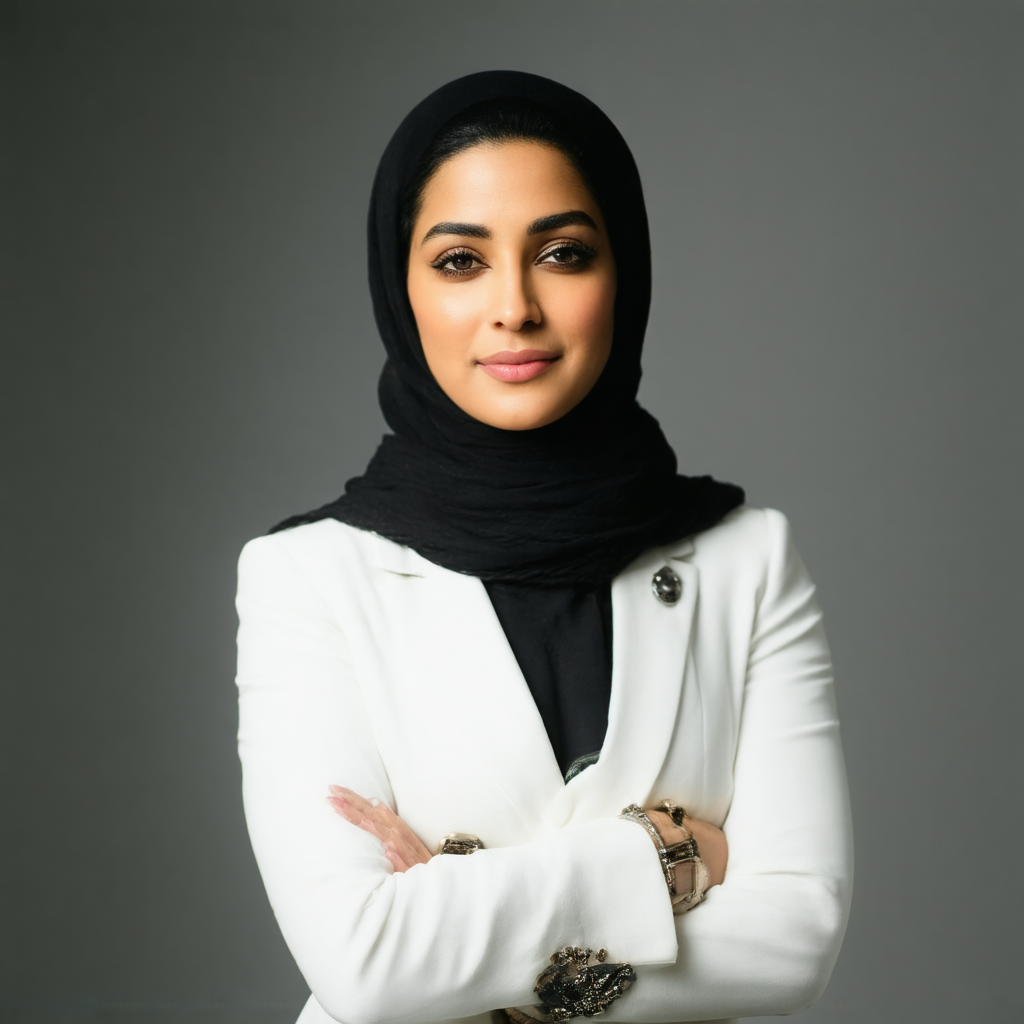 Hina is a multimedia journalist with a focus on migration and displacement. Her work uses visual storytelling to highlight the human side of global movements.
 Luis brings a unique perspective to global health and science reporting, blending scientific expertise with journalistic storytelling.