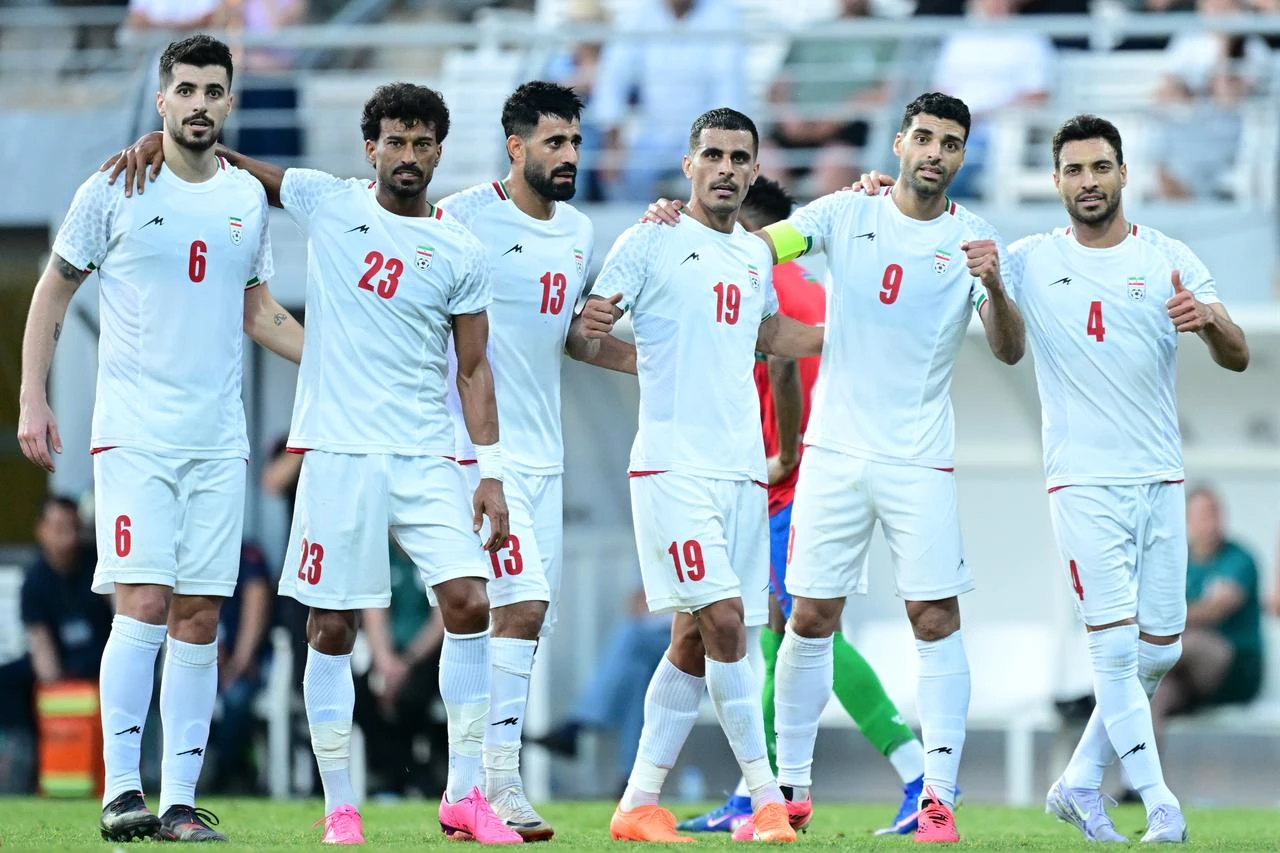
The world of football is often portrayed as a universal language, a realm where politics takes a backseat to the beauty of the game.
But in recent weeks, FIFA’s decision to strip Iran of its ticket allocations for an upcoming tournament has thrown this notion into sharp relief. The move, while seemingly mundane on the surface, has sparked debates that go far beyond the pitch—touching on issues of democracy, access, and the role of global institutions in shaping political narratives.
At first glance, the decision to revoke Iran’s tickets appeared arbitrary, a bureaucratic misstep that left fans and officials alike scratching their heads. But as details emerged, it became clear that this was no mere oversight. The reasoning behind FIFA’s move, while not explicitly stated, seemed to hinge on concerns about the political climate in Iran—a country where dissent is often met with repression, and where women continue to face systemic barriers to equality.
For many, the decision raised questions about FIFA’s role as a global governing body. Should it be involved in the internal affairs of member states? Or was this a necessary step to protect the integrity of the tournament and ensure that fans could attend without fear of political overtones?
The outcry was immediate. Advocacy groups, human rights organizations, and even some football enthusiasts began calling for FIFA to reconsider its decision. The argument, simple yet powerful, was this: football should be a space where everyone is welcome, regardless of their nationality or the political climate back home.
FIFA, to its credit, did not shy away from the controversy. Instead, it doubled down on its commitment to fan access, announcing plans to redistribute the tickets to other countries and ensuring that Iranian fans who had already secured tickets would still be able to attend. It was a rare display of flexibility and accountability—a reminder that even powerful institutions can (and should) evolve in the face of public scrutiny.
But as the dust settled, a more nuanced conversation began to emerge. Was this really about access and equality? Or was it an attempt by FIFA to send a message—one that could be interpreted as anything from diplomatic pressure to outright political interference?
The truth, as is so often the case, lies somewhere in between. FIFA’s decision, while framed as a logistical adjustment, carried with it the weight of global expectations. In an era where sport is increasingly seen as a tool for social change, the organization had an opportunity to demonstrate its commitment to progress—and for a moment, it seized it.
Yet, as the tournament approached, questions lingered. Would this decision set a precedent? Would other countries face similar scrutiny in the future? And perhaps most importantly, would FIFA’s actions translate into meaningful change—not just on the field, but off it?
For now, the focus remains on ensuring that fans can still enjoy the game, regardless of where they’re from. But as the world watches, the hope is that this moment serves as a reminder: in the realm of global sport, no issue is too small to ignore—and no voice is too insignificant to be heard.
After all, football may not be able to solve the world’s problems on its own. But by fostering dialogue, promoting access, and standing up for what’s right—even when it’s uncomfortable—FIFA and other organizations can play a crucial role in shaping a better future—one goal at a time.
About the Author:
Luis Rocha is Science Correspondent at our publication. Luis brings a unique perspective to global health and science reporting, blending scientific expertise with journalistic storytelling.
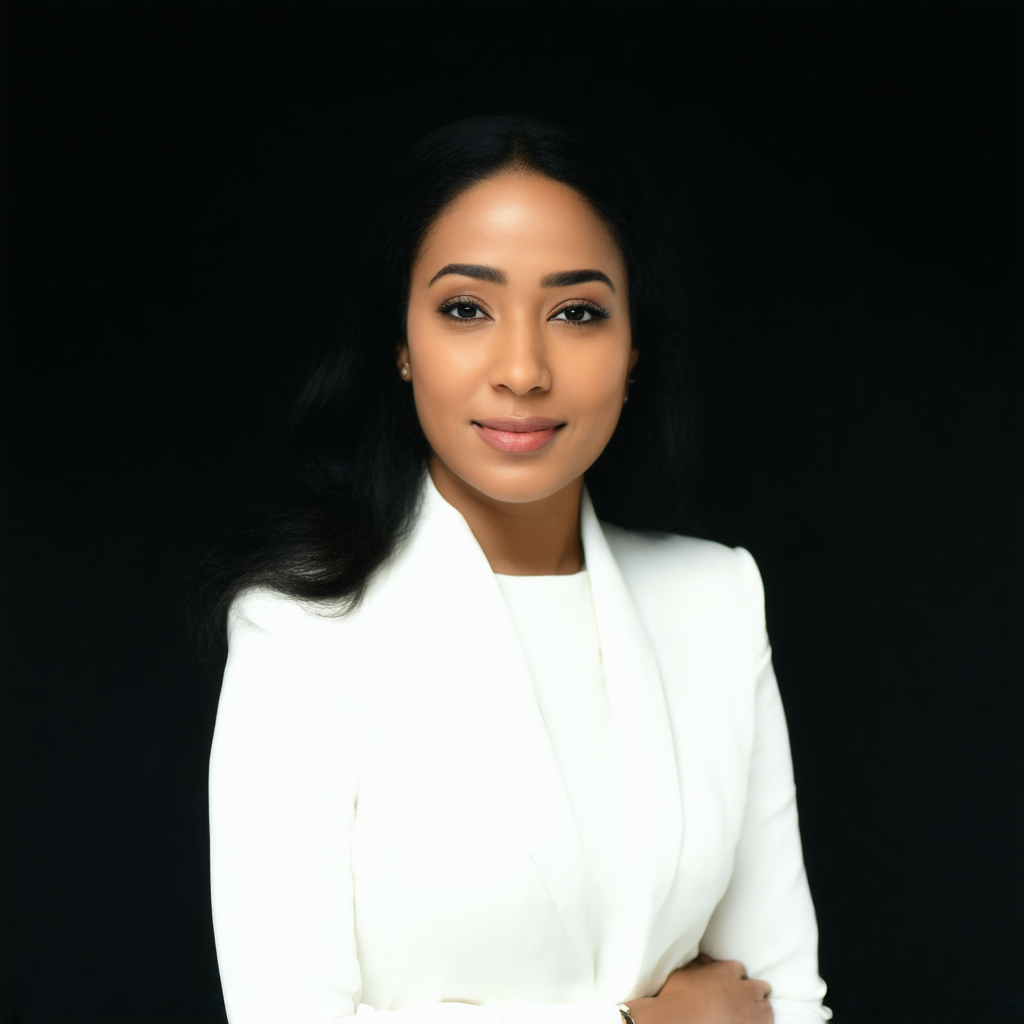 Aisha is an award-winning journalist with a focus on cultural narratives and social justice. Her work explores how local traditions intersect with global dynamics.
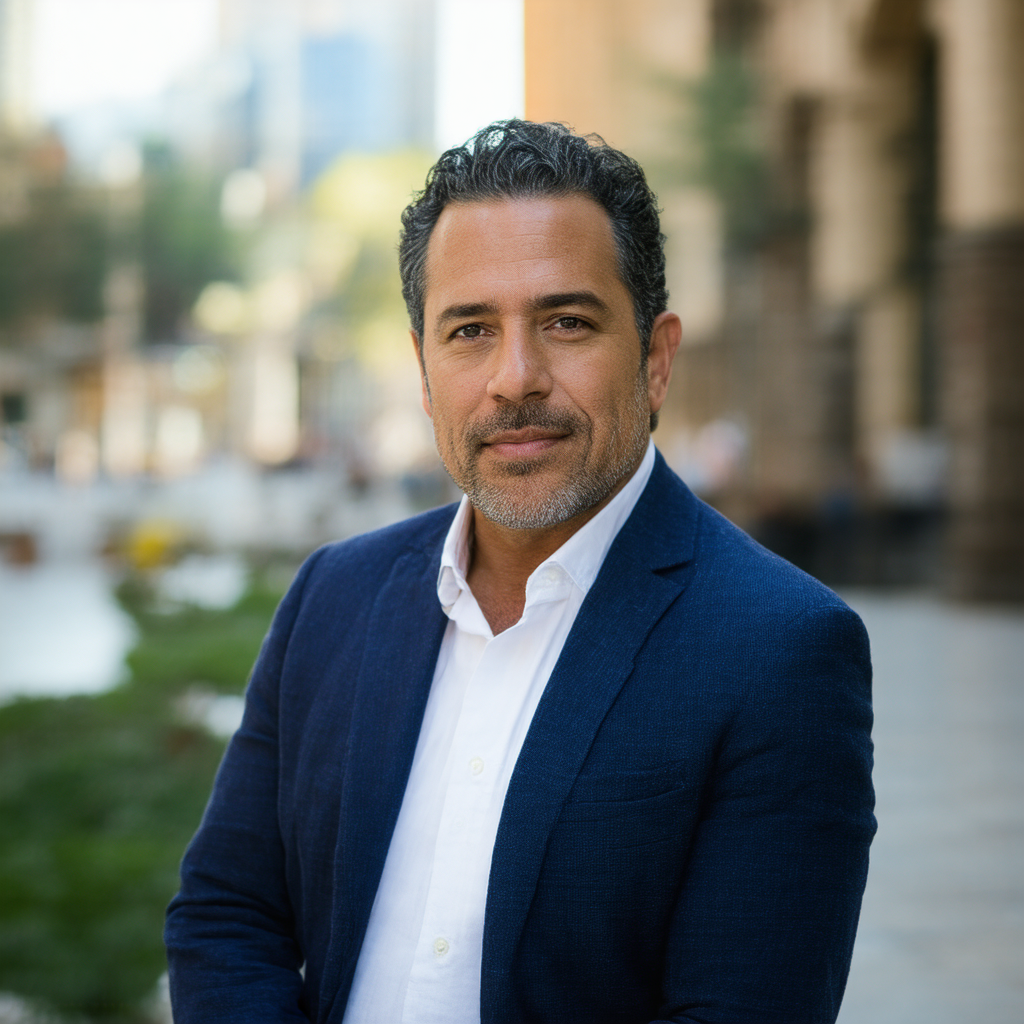 A tech enthusiast and data journalism pioneer, Carlos uses innovative storytelling techniques to uncover trends in global technology and its societal impacts.
 With over 15 years of experience in global journalism, Emily has led award-winning investigative teams and set the editorial direction for numerous publications. Her expertise lies in fostering impactful storytelling that connects diverse communities.
 Fatima is a rising star in investigative journalism, with a focus on uncovering stories that affect marginalized communities. Her work spans South Asia and beyond.
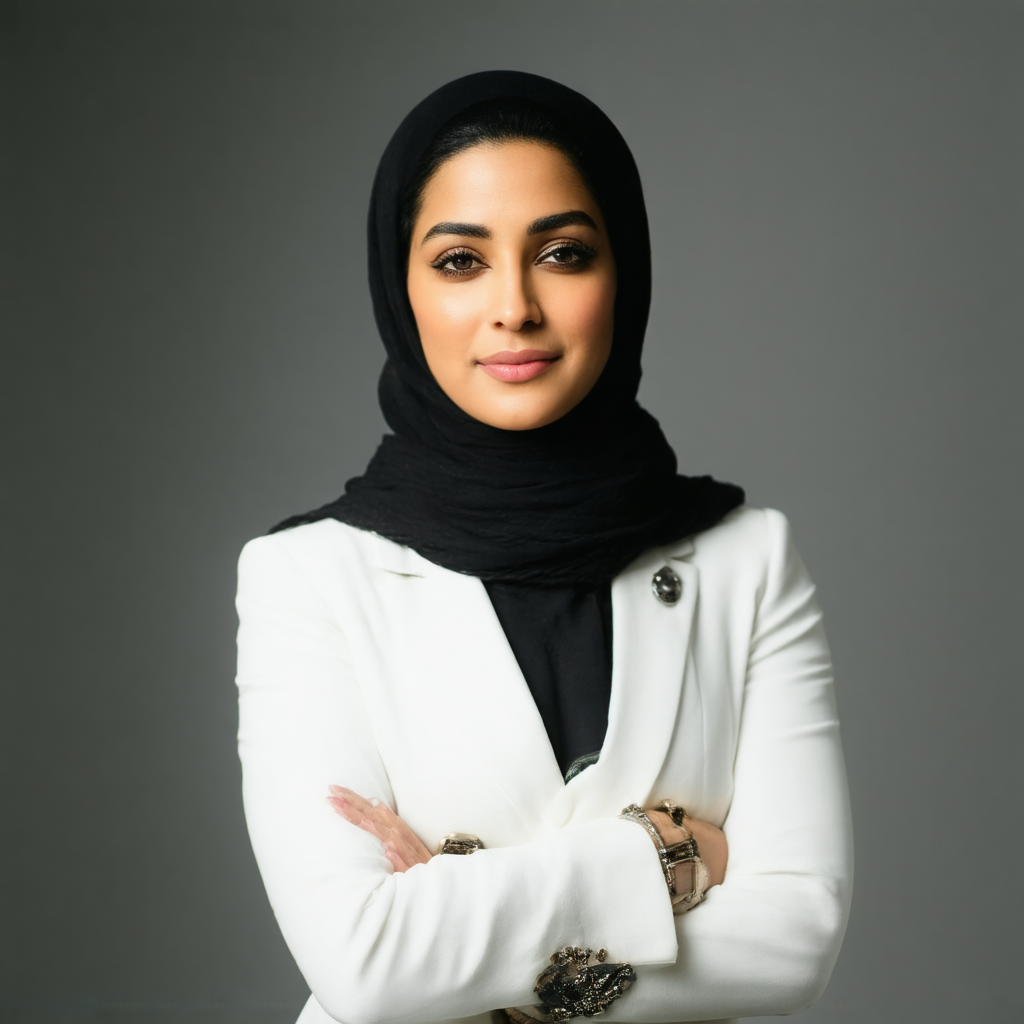 Hina is a multimedia journalist with a focus on migration and displacement. Her work uses visual storytelling to highlight the human side of global movements.
 Luis brings a unique perspective to global health and science reporting, blending scientific expertise with journalistic storytelling.