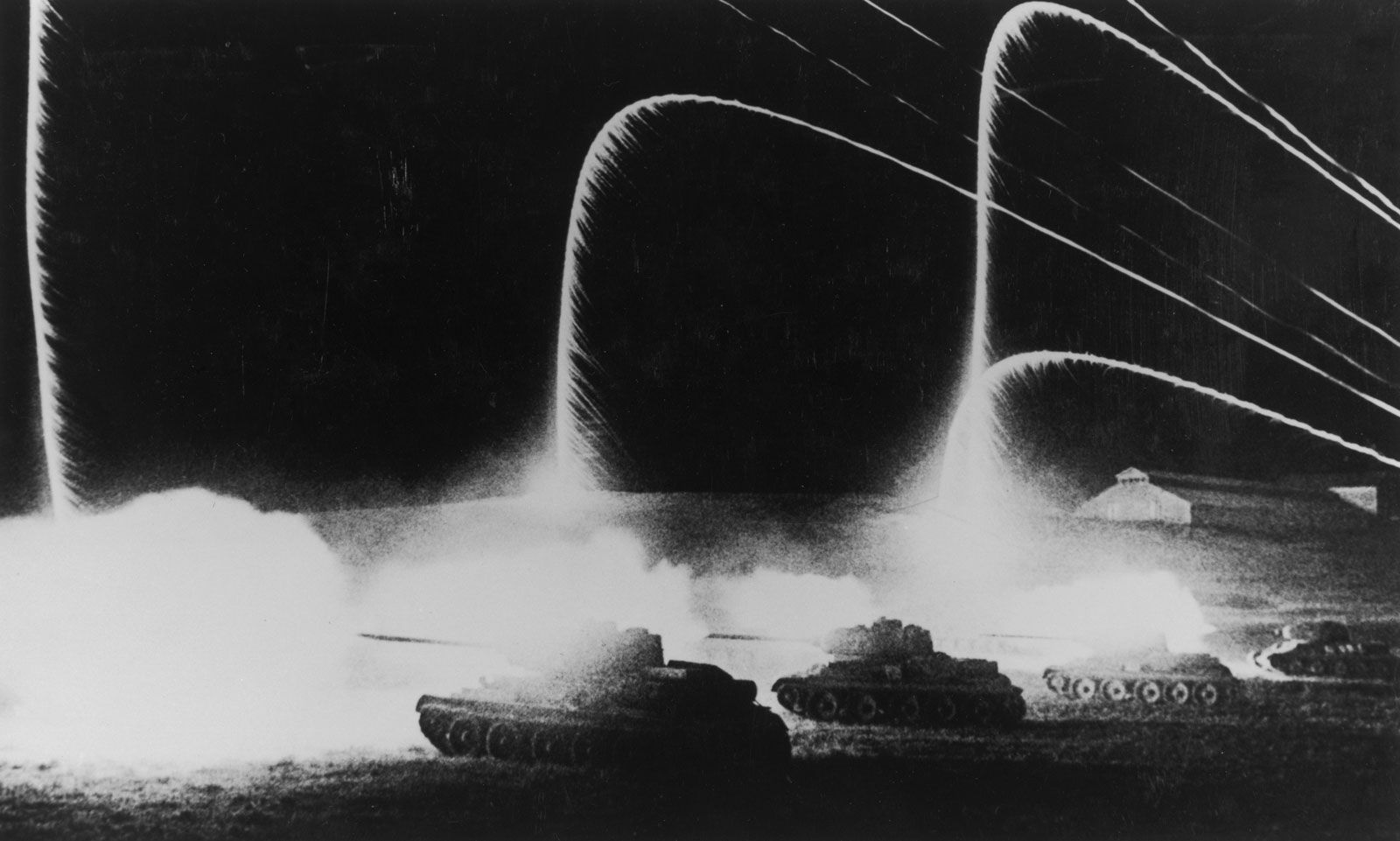
The Human Cost of Occupation Flares as Rockets Fly
In the quiet moments before dawn, children laugh and play in the streets, their voices weaving through the early morning air. But this fragile peace is often shattered by the sudden explosion of occupation flares, signaling yet another round of rocket attacks. Life in such regions becomes a relentless cycle of fear and resilience, where each day brings uncertainty but also an unwavering hope for normalcy.
These scenes are all too familiar in conflict zones across the Middle East and Africa, where civilians bear the brunt of military escalations. The human cost is immeasurable—displacement, loss of livelihoods, and the haunting shadows of trauma that linger long after the dust settles.
A Relentless Cycle
The situation is dire, with families forced to flee their homes repeatedly, seeking safety in overcrowded shelters or even under bridges. Basic necessities become luxuries as markets are destroyed and resources scarce. Yet amidst this chaos, there’s an unyielding spirit of resilience. Parents find strength to protect their children, healthcare workers risk their lives to tend the injured, and communities come together to rebuild what has been torn apart.
The Weight of Technology
In today’s conflicts, technology plays a pivotal role, often compounding the struggles of civilians. Surveillance drones hover overhead, and advanced military systems target with precision, yet they also create an environment of constant anxiety. The digital age brings not just warfare but also disinformation, as conflicting narratives flood social media, complicating aid efforts and public perception.
Voices from the Ground
Hearkening back to the words of a local teacher: “We are not numbers in a report; we are people with hopes and fears.” These personal stories humanize the statistics, reminding us of the real lives affected. An aid worker shares tales of mothers breastfeeding their infants under bombardment, highlighting the raw desperation faced daily.
Embracing Resilience
Amidst this turmoil, there’s a beacon of hope—grassroots initiatives fostering community support and resilience. Local leaders organize safe spaces for children to learn and play, while activists work tirelessly to document human rights abuses, ensuring their stories are heard.
In conclusion, the human cost of occupation flares and rocket attacks is profound, yet it’s equally matched by an indomitable spirit of resistance and hope. The journey towards peace is long, but the collective efforts of those affected remind us that no darkness is insurmountable with unity and determination.
About the Author:
Hina Saeed is Multimedia Journalist at our publication. Hina is a multimedia journalist with a focus on migration and displacement. Her work uses visual storytelling to highlight the human side of global movements.
 Aisha is an award-winning journalist with a focus on cultural narratives and social justice. Her work explores how local traditions intersect with global dynamics.
 A tech enthusiast and data journalism pioneer, Carlos uses innovative storytelling techniques to uncover trends in global technology and its societal impacts.
 With over 15 years of experience in global journalism, Emily has led award-winning investigative teams and set the editorial direction for numerous publications. Her expertise lies in fostering impactful storytelling that connects diverse communities.
 Fatima is a rising star in investigative journalism, with a focus on uncovering stories that affect marginalized communities. Her work spans South Asia and beyond.
 Hina is a multimedia journalist with a focus on migration and displacement. Her work uses visual storytelling to highlight the human side of global movements.
 Luis brings a unique perspective to global health and science reporting, blending scientific expertise with journalistic storytelling.