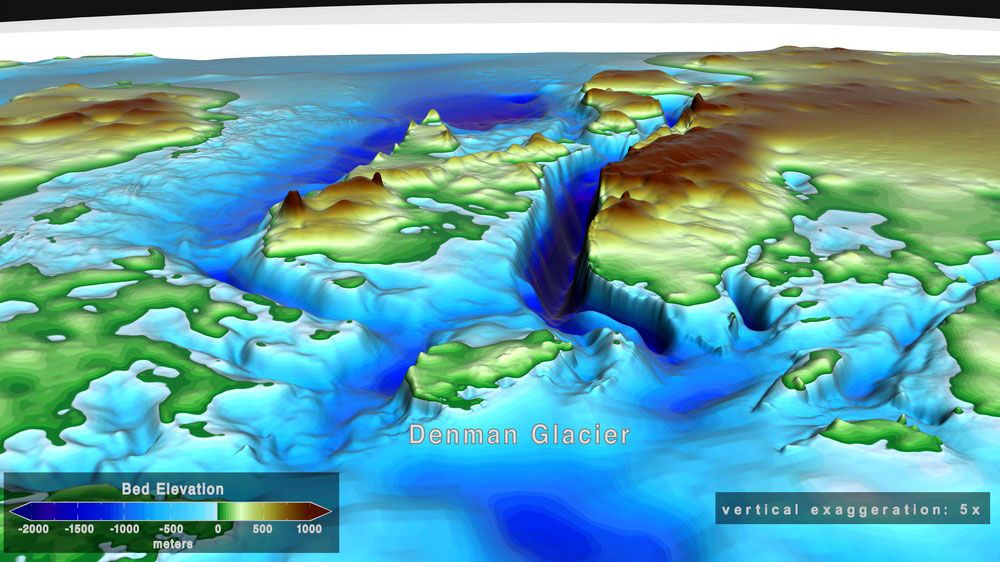
Denman Glacier: A New Frontier in Climate Change
In a world where every corner is mapped and explored, the discovery of Denman Glacier as the deepest land point on Earth comes as a profound reminder of nature’s hidden wonders. Situated in Antarctica, this glacier, with its depth reaching nearly 3 kilometers below the ice surface, stands as a testament to the planet’s unyielding majesty. Yet, this discovery is not merely about geological marvels; it serves as a stark call to action in our ongoing struggle against climate change.
The scientific community has long monitored Denman Glacier for its critical role in the Earth’s climate system. As one of Antarctica’s largest glaciers, it holds a vast amount of ice that, if melted, could significantly raise global sea levels. Recent studies reveal that over the past two decades, the glacier has lost an average of 25 meters in thickness annually—a rate accelerating due to rising temperatures. This melting is not isolated; it mirrors the rapid changes occurring across polar regions, underscoring the urgent need for climate action.
The implications of Denman Glacier’s melt extend far beyond its icy expanse. Coastal communities, particularly those in Asia-Pacific and Latin America, face existential threats as sea levels rise. Indigenous populations, whose livelihoods are intricately tied to their environments, are especially vulnerable. The loss of land and resources they’ve inhabited for generations poses a direct threat to their human rights, highlighting the intersection of climate change with social justice.
As we confront this reality, the call for action becomes increasingly urgent. Global policies must prioritize reducing carbon emissions and protecting ecosystems. Support for sustainable practices that respect indigenous knowledge and rights is crucial. By advocating for these measures, we can mitigate the impacts on vulnerable communities and preserve our planet’s delicate balance.
In the face of such challenges, there remains hope. Collective efforts, from grassroots activism to international agreements, demonstrate the potential for positive change. The discovery of Denman Glacier reminds us that while the Earth’s mysteries are vast, so too is our capacity for preservation and action.
As we move forward, let us remember that every step taken toward sustainability and justice not only protects the planet but also upholds the rights and futures of countless communities. The journey to climate resilience is a shared one, where each effort contributes to a brighter, more sustainable world.
About the Author:
Priya Patel is Environment Reporter at our publication. Specializing in environmental journalism, Priya has reported from the frontlines of climate change impacts around the world. Her work highlights the intersection of ecology and human communities.
 Aisha is an award-winning journalist with a focus on cultural narratives and social justice. Her work explores how local traditions intersect with global dynamics.
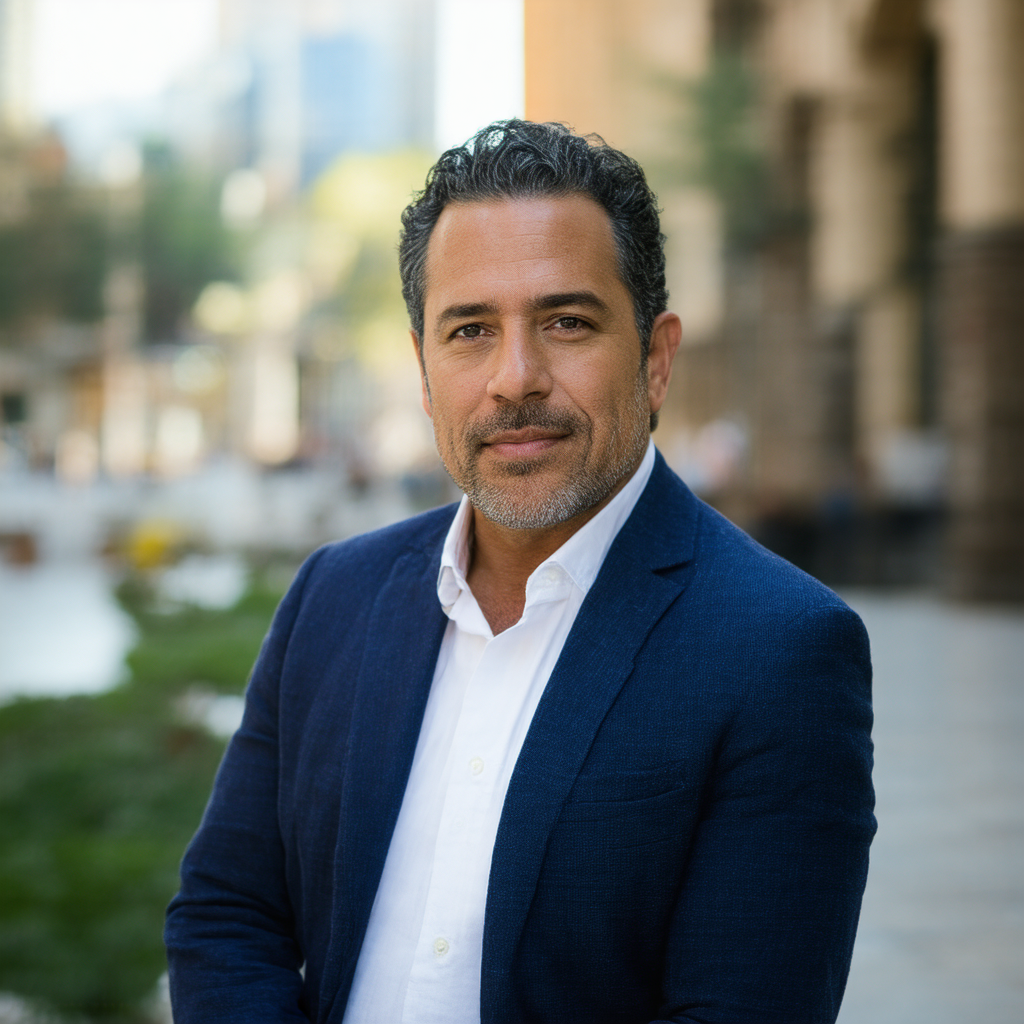 A tech enthusiast and data journalism pioneer, Carlos uses innovative storytelling techniques to uncover trends in global technology and its societal impacts.
 With over 15 years of experience in global journalism, Emily has led award-winning investigative teams and set the editorial direction for numerous publications. Her expertise lies in fostering impactful storytelling that connects diverse communities.
 Fatima is a rising star in investigative journalism, with a focus on uncovering stories that affect marginalized communities. Her work spans South Asia and beyond.
 Hina is a multimedia journalist with a focus on migration and displacement. Her work uses visual storytelling to highlight the human side of global movements.
 Luis brings a unique perspective to global health and science reporting, blending scientific expertise with journalistic storytelling.