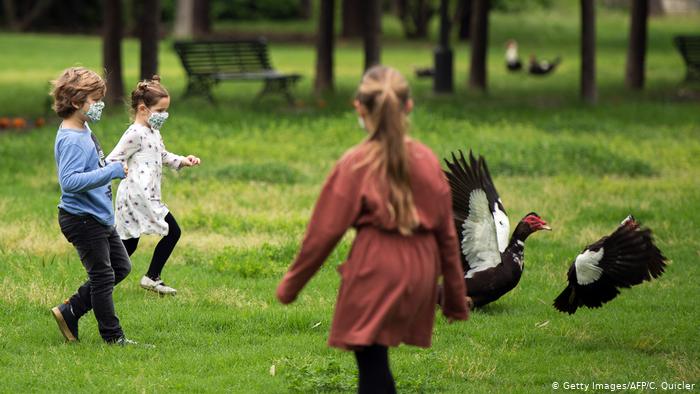
The streets of Madrid buzzed with an unfamiliar energy as the sun cast its golden rays over the city. Children, once confined to the walls of their homes and the screens of their devices, now ran freely through parks and plazas, their laughter echoing in the air like music after a long silence. Spain had begun to ease COVID-19 confinement measures, allowing children to reclaim the freedom they had lost for nearly two years. The change was palpable, a collective sigh of relief heard across neighborhoods as families reconnected with the simple joys of life outside the digital bubble.
The pandemic had reshaped childhoods in ways no one could have imagined. For months, schools and playgrounds were off-limits, and children turned to technology for education, entertainment, and even social interaction. Devices that were once occasional tools became constant companions, blurring the lines between reality and the virtual world. The shift was both necessary and profound, as governments and educators scrambled to provide remote learning solutions to keep young minds engaged during lockdowns.
But as Spain cautiously reopened, questions arose about the long-term impact of this digital-intensive period. Experts warned of potential issues ranging from screen time overload to social skills atrophy. Yet, amidst the concerns, there was a growing recognition of the resilience and adaptability of children—and their parents—during one of the most challenging periods in modern history.
The easing of confinement measures marked not just a return to normalcy but also a moment for reflection. Parents who had relied on technology to manage their children’s education and well-being during lockdowns began to rethink their approach. Many questioned how much screen time was truly necessary, even as they acknowledged the invaluable role technology played in keeping their families connected during隔离.
Schools, too, faced new challenges as they sought to balance digital tools with traditional learning methods. Educators grappled with the dual reality of leveraging technology to support education while ensuring that children didn’t lose touch with the human connections that defined their formative years.
As Spain moved forward, the conversation shifted toward building a future where technology was a tool, not a crutch. Policymakers and educators began discussing how to strike a balance between fostering digital literacy and preserving the analog experiences that shaped childhoods for generations.
The reopening of schools and public spaces offered more than just physical freedom; it symbolized a broader societal shift. Communities came together to support one another, recognizing the importance of collective resilience in navigating unprecedented times. The pandemic had exposed vulnerabilities in systems and societies, but it had also revealed an unyielding human capacity for adaptation and innovation.
Looking ahead, Spain’s experience serves as a reminder that progress is not just about technology but about how we integrate it into our lives. As children breathe free again, the nation faces an opportunity to reimagine its future—one where technology enhances, rather than replaces, the richness of human interaction.
About the Author:
Carlos Gutierrez is Technology Analyst at our publication. A tech enthusiast and data journalism pioneer, Carlos uses innovative storytelling techniques to uncover trends in global technology and its societal impacts.
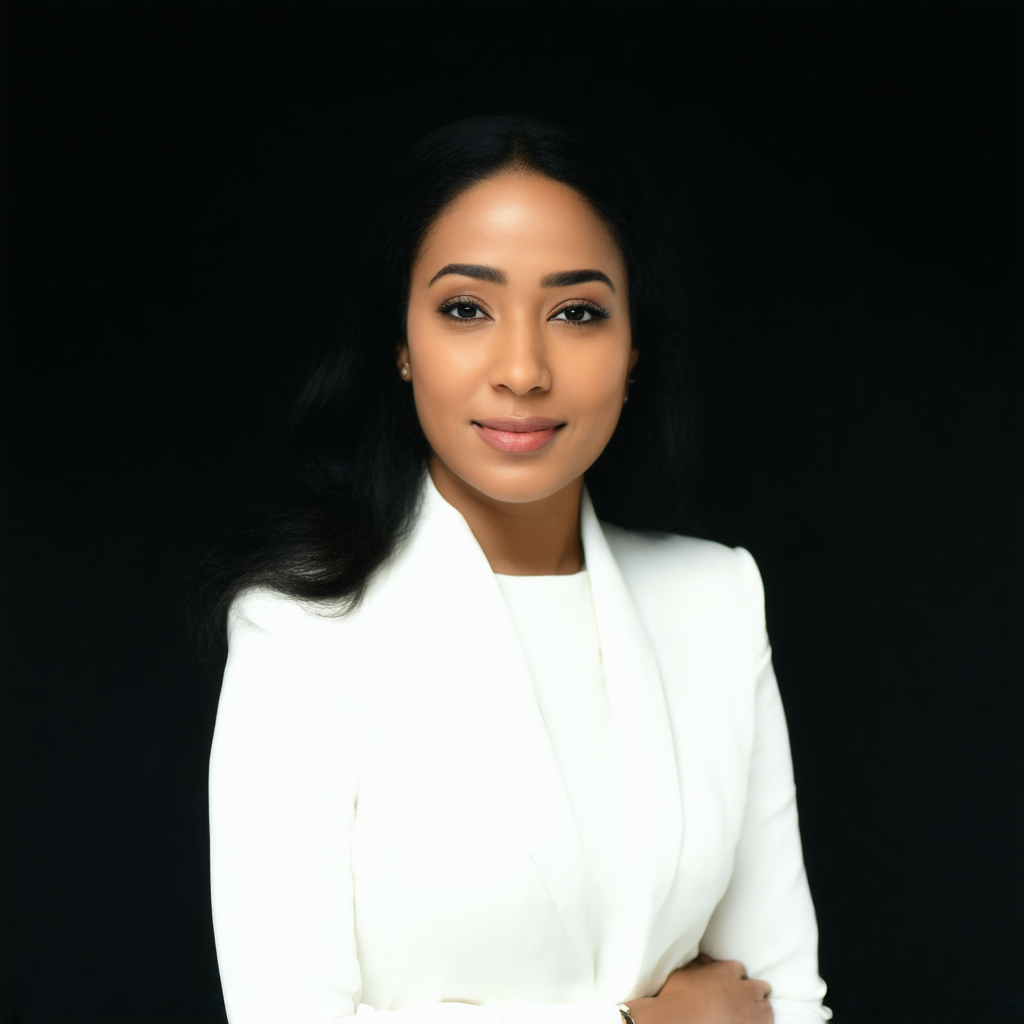 Aisha is an award-winning journalist with a focus on cultural narratives and social justice. Her work explores how local traditions intersect with global dynamics.
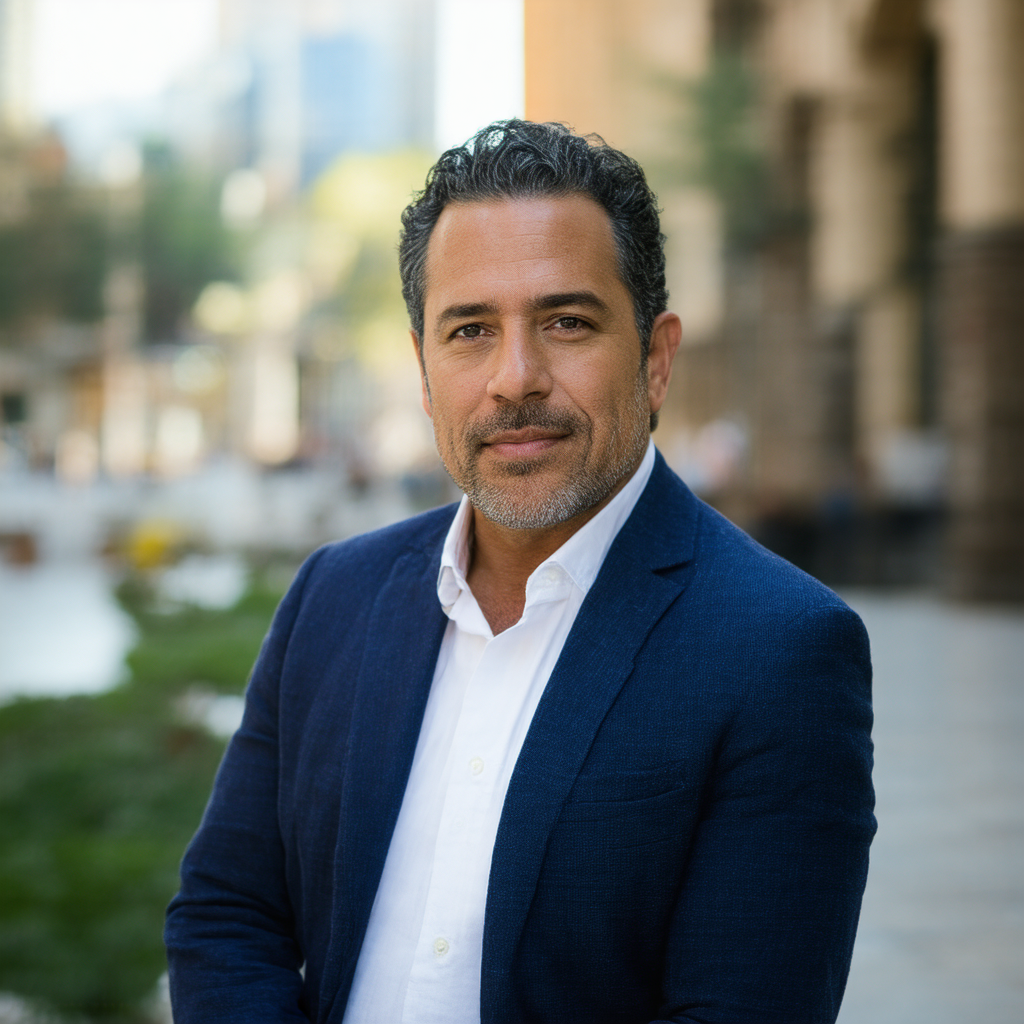 A tech enthusiast and data journalism pioneer, Carlos uses innovative storytelling techniques to uncover trends in global technology and its societal impacts.
 With over 15 years of experience in global journalism, Emily has led award-winning investigative teams and set the editorial direction for numerous publications. Her expertise lies in fostering impactful storytelling that connects diverse communities.
 Fatima is a rising star in investigative journalism, with a focus on uncovering stories that affect marginalized communities. Her work spans South Asia and beyond.
 Hina is a multimedia journalist with a focus on migration and displacement. Her work uses visual storytelling to highlight the human side of global movements.
 Luis brings a unique perspective to global health and science reporting, blending scientific expertise with journalistic storytelling.