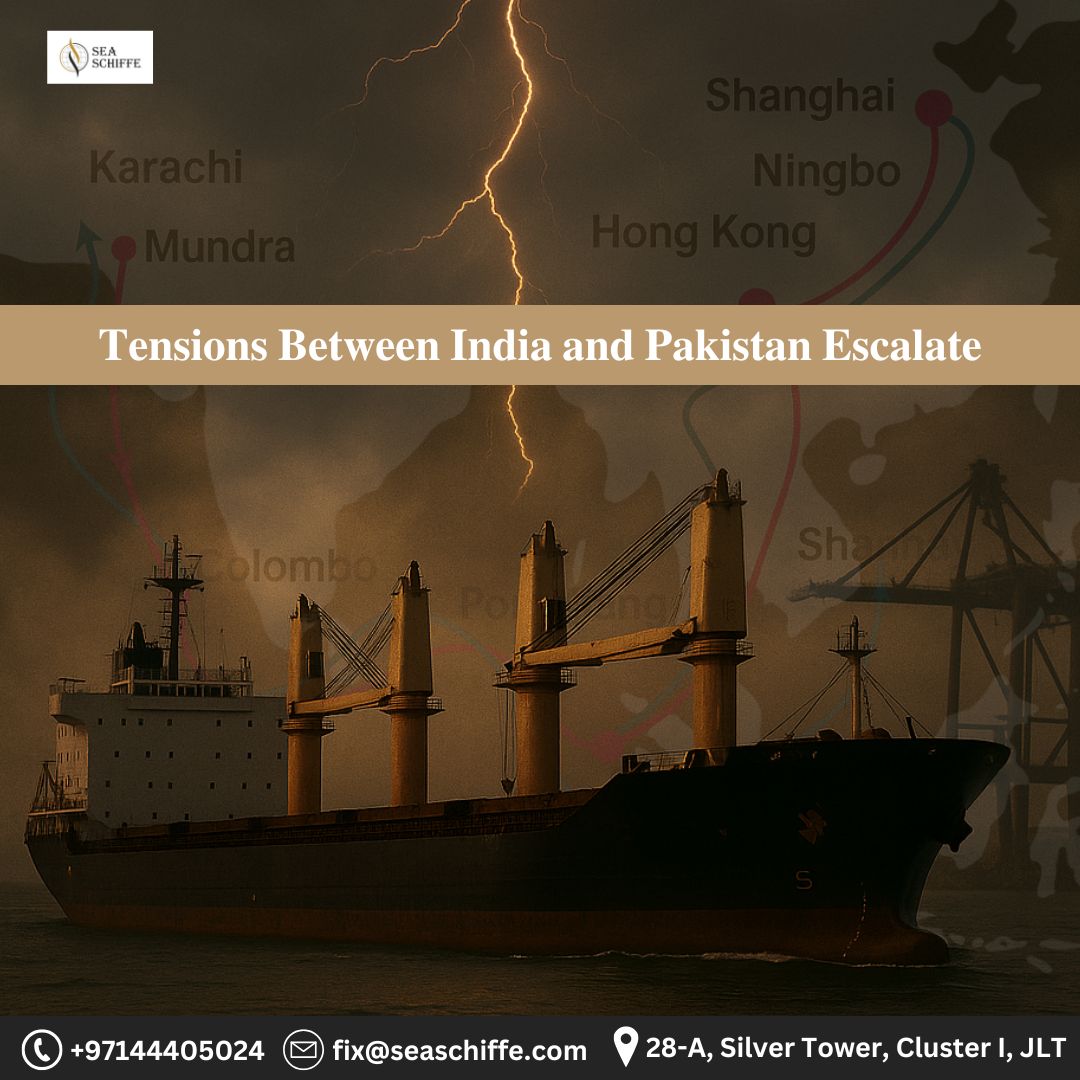
Sailors Caught in Crossfire as Tensions Escalate, Echoing a Cycle of Chaos
The ocean, once a symbol of freedom and endless possibility, has become a battleground. Across the globe, sailors—those who navigate its waves for livelihood, culture, or survival—are increasingly caught in the crossfire of escalating tensions. These conflicts are not just between nations but also within communities, as ecological stressors and political instability conspire to create a cycle of chaos.
In recent months, incidents involving fishermen from competing coastal villages have spiked along the shores of Southeast Asia. Tensions rise as fish stocks dwindle, driven by overfishing, climate change, and pollution. The once-thriving marine ecosystems are being stripped bare, leaving communities dependent on these resources to fight for what remains. In the Philippines, for instance, clashes between fishing groups have led to injuries and even deaths, a stark reminder of how environmental degradation can fuel human conflict.
But it’s not just small-scale fishermen who are at risk. Larger commercial fleets, often operating with foreign interests, are accused of exploiting local resources while ignoring the rights of indigenous communities. In Papua New Guinea, tensions between foreign mining companies and local landowners have erupted into violent clashes, displacing entire villages and exacerbating existing tribal conflicts. The situation is compounded by climate change, which is making weather patterns more unpredictable and coastal erosion worse, forcing people to migrate and compete for limited resources.
The Sahel region offers another example of how ecological stress can ignite conflict. As the Sahara Desert encroaches further south, pastoralists and farmers are forced to fight over shrinking arable land. In Mali, where extremist groups often exploit local grievances, these disputes have turned into a deadly cycle of violence. The Malian government’s inability to provide basic services or protect its citizens has left communities vulnerable to exploitation by both armed groups and environmental forces beyond their control.
Back in Asia, the situation is no less dire. In India’s northeastern states, where ethnic tensions already simmer below the surface, climate change is adding fuel to the fire. Droughts and floods are becoming more frequent, disrupting livelihoods and forcing people to migrate within their own countries. This internal displacement often leads to competition for housing and jobs in urban areas, further straining already fragile social fabrics.
The connection between environmental stress and conflict is clear, but what can be done? Advocates argue that addressing these issues requires a dual approach: tackling the root causes of climate change while also fostering peacebuilding initiatives that address the underlying grievances of affected communities. This means investing in sustainable development projects, ensuring that indigenous rights are protected, and promoting international cooperation to manage shared resources.
For sailors caught in the crossfire, there is little hope for respite. The ocean, which should be a source of livelihood and cultural identity, has become a trap. But as the world continues to grapple with the consequences of climate change, their struggles serve as a stark reminder of what’s at stake—not just for them but for all of us who depend on a stable and sustainable planet.
The cycle of chaos can be broken, but it requires bold action and a commitment to justice. Until then, the sailors will continue to navigate treacherous waters, their lives entwined with the fate of the fragile ecosystems they call home.
About the Author:
Priya Patel is Environment Reporter at our publication. Specializing in environmental journalism, Priya has reported from the frontlines of climate change impacts around the world. Her work highlights the intersection of ecology and human communities.
 Aisha is an award-winning journalist with a focus on cultural narratives and social justice. Her work explores how local traditions intersect with global dynamics.
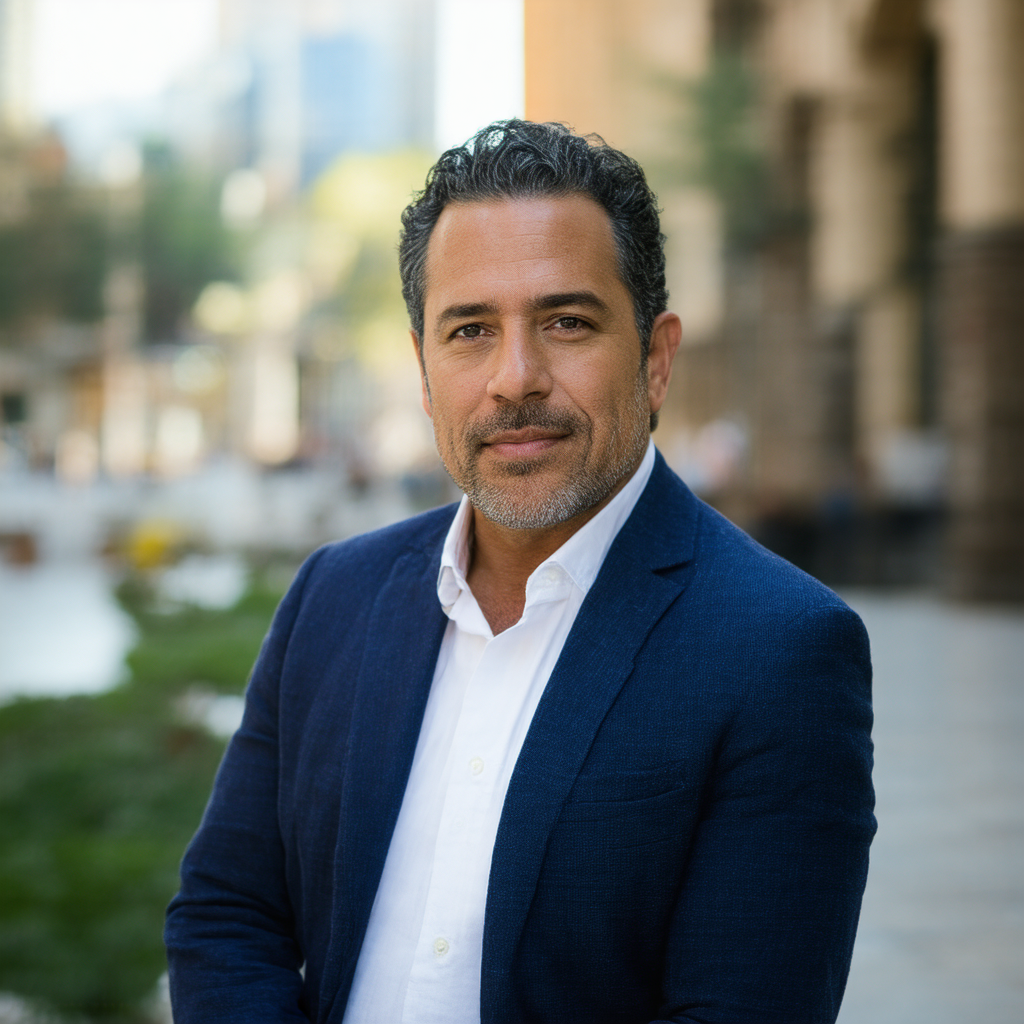 A tech enthusiast and data journalism pioneer, Carlos uses innovative storytelling techniques to uncover trends in global technology and its societal impacts.
 With over 15 years of experience in global journalism, Emily has led award-winning investigative teams and set the editorial direction for numerous publications. Her expertise lies in fostering impactful storytelling that connects diverse communities.
 Fatima is a rising star in investigative journalism, with a focus on uncovering stories that affect marginalized communities. Her work spans South Asia and beyond.
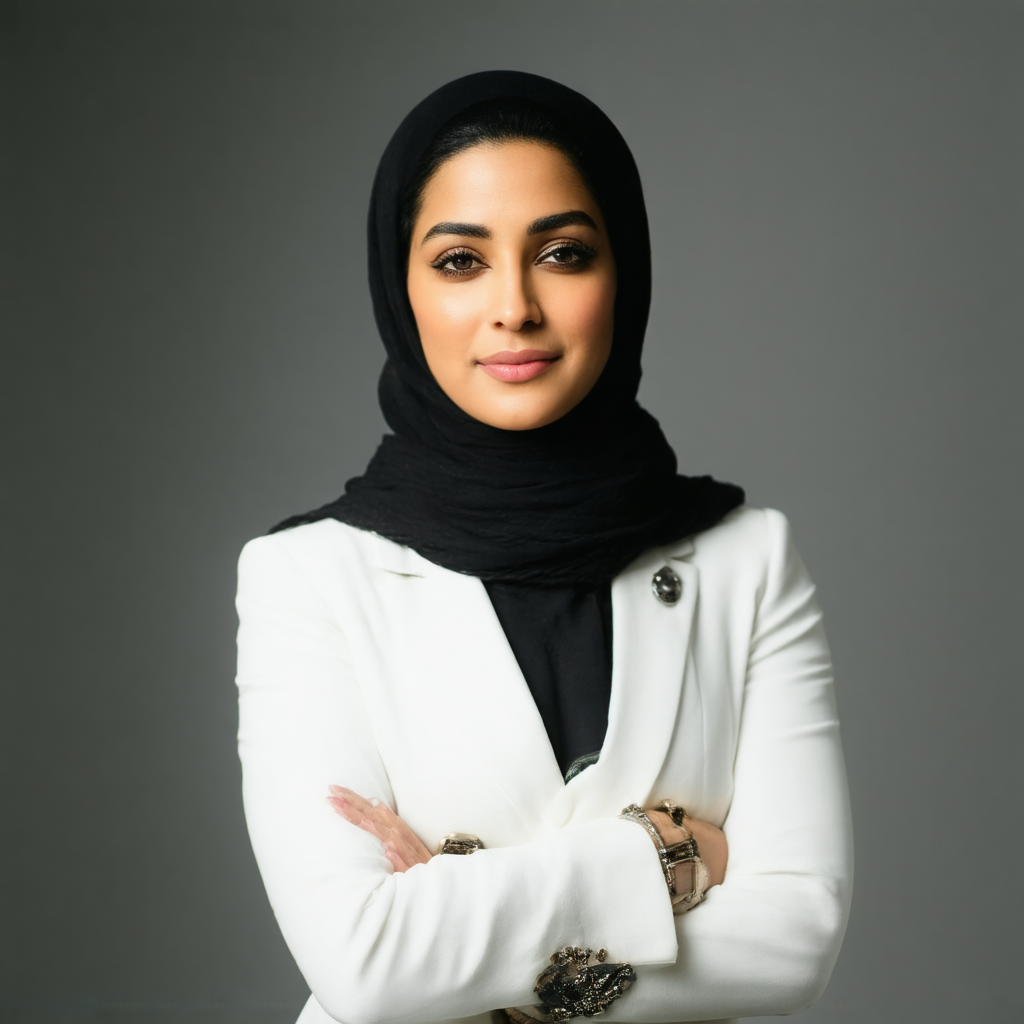 Hina is a multimedia journalist with a focus on migration and displacement. Her work uses visual storytelling to highlight the human side of global movements.
 Luis brings a unique perspective to global health and science reporting, blending scientific expertise with journalistic storytelling.