
In the shadowed streets of Kabul, where the air whispers tales of resilience and repression, Afghanistan’s flag remains a symbol of both pride and sorrow. Since the Taliban retook control in August 2021, the landlocked nation has been shrouded in an eerie silence—a silence that is not of peace but of fear. The streets that once echoed with chants for democracy now reverberate with the cracks of bullets and the cries of the silenced.
The recent months have seen a surge in protests across Afghanistan, sparked by rising anger over economic collapse, human rights violations, and the Taliban’s iron grip on power. Yet, as the protesters raise their voices, the regime responds not with dialogue but with force. The bloodstains on Afghanistan’s flag are not just a metaphor; they are real, spilling from the streets where those who dare to speak out are met with brutal violence.
In early March, in the city of Herat, women and girls gathered to protest against the Taliban’s strict enforcement of gender apartheid. They were peaceful, their chants for equality echoing through the streets. But the Taliban’s response was swift and severe. Uniformed men stormed the protest site, firing indiscriminately into the crowd. Scores were injured, and reports indicate that at least five were killed. The regime later dismissed the incident as a “clash,” but eyewitnesses described it as a massacre.
In Kabul, it is not uncommon to see young boys selling tissues on street corners. They are not selling out of necessity alone; they are collecting evidence. “Every day, we see the blood,” one boy told me, his voice trembling with anger. “But no one listens.”
The regime’s tactics are clear: suppress dissent at all costs. Activists, journalists, and intellectuals are targeted through arbitrary arrests, enforced disappearances, and extrajudicial killings. The fear is palpable; it seeps into every home, every conversation. Yet, despite the terror, people continue to resist.
In the mountains of Panjshir, a stronghold of resistance, fighters are still battling the Taliban. Their voices are amplified by the global community, but the reality on the ground remains dire. Women’s rights activists are forced underground, their phones and social media accounts brim with messages of fear and despair. “We are not just fighting for our lives,” one activist said in a leaked audio recording. “We are fighting for the soul of Afghanistan.”
The international community has been slow to respond, perhaps choosing to look away from the carnage unfolding in Afghanistan. But the stakes could not be higher. The Taliban’s brutal suppression of dissent is not just an attack on individual lives; it is an attack on the very essence of democracy and human rights.
As I write this, a mother in Kabul cradles her son, his wound still bleeding from a bullet fired during a protest. A journalist hides under a false identity, her notes filled with stories that could never be published. And somewhere in the mountains, a fighter raises his voice, a lone echo of resistance against the Taliban’s silence.
Afghanistan’s flag is more than just a piece of cloth; it is a testament to a nation’s struggle for freedom. The bloodstains on its fabric are a reminder of the lives lost and the courage still alive. For as long as there are those who dare to speak out, Afghanistan’s spirit cannot be extinguished.
In these dark times, we must remember that every silenced voice is a call to action. Every bullet fired is a wake-up call for the world. The fight for Afghanistan’s future is not just theirs—it is ours.
About the Author:
Fatima Khan is Investigative Reporter at our publication. Fatima is a rising star in investigative journalism, with a focus on uncovering stories that affect marginalized communities. Her work spans South Asia and beyond.
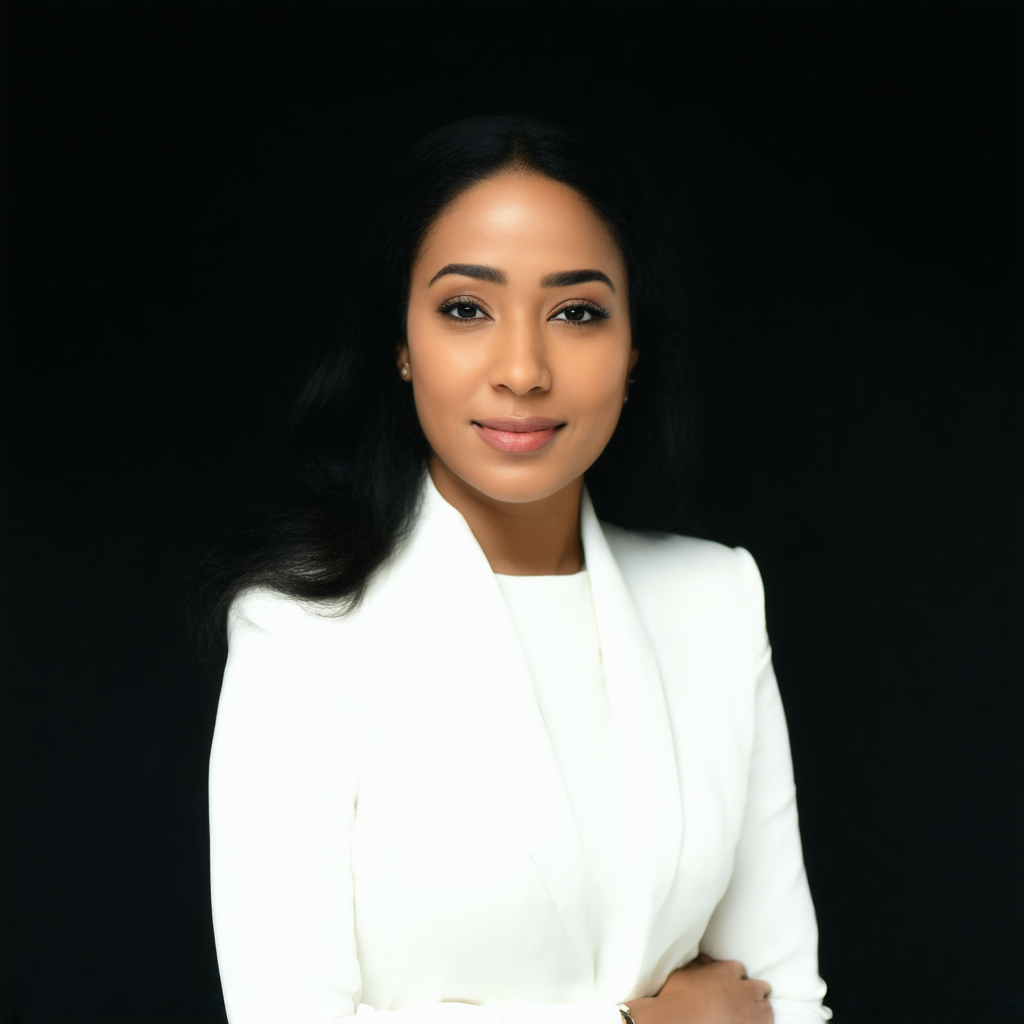 Aisha is an award-winning journalist with a focus on cultural narratives and social justice. Her work explores how local traditions intersect with global dynamics.
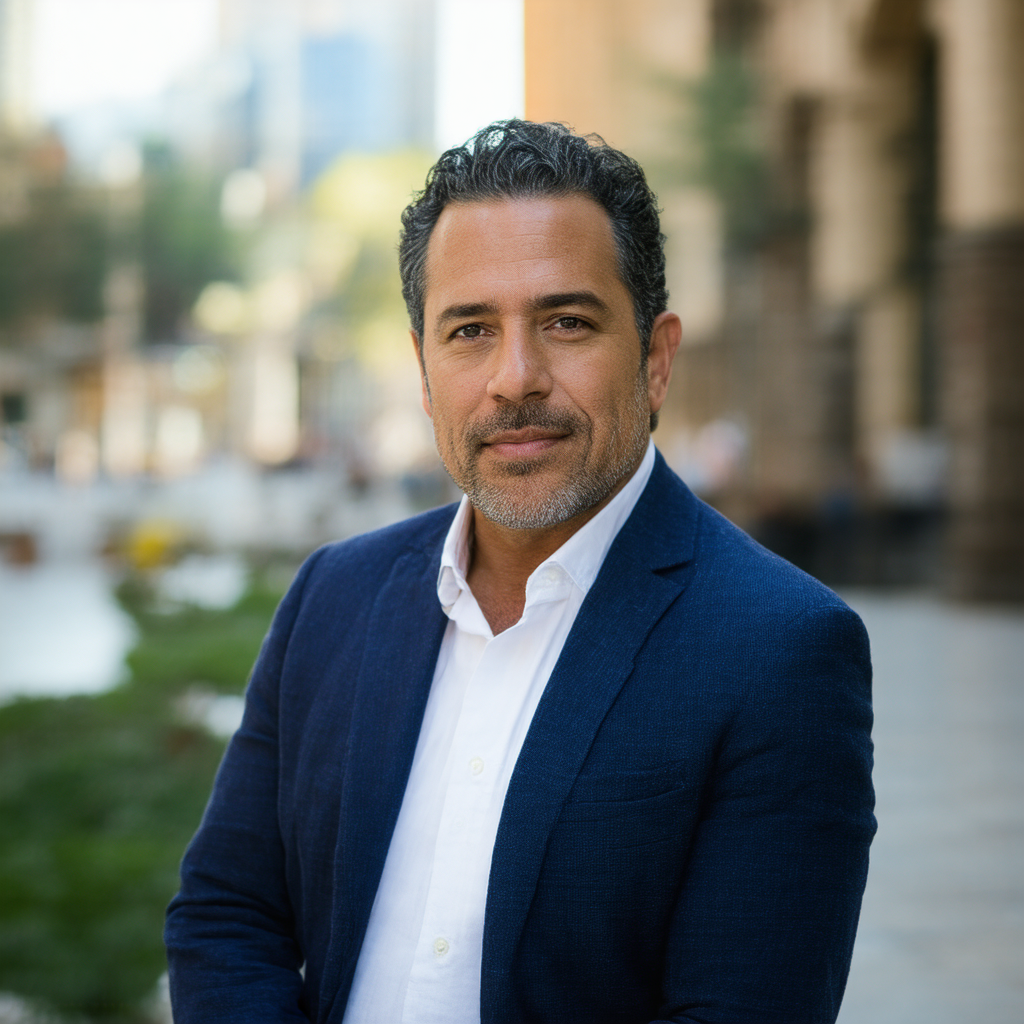 A tech enthusiast and data journalism pioneer, Carlos uses innovative storytelling techniques to uncover trends in global technology and its societal impacts.
 With over 15 years of experience in global journalism, Emily has led award-winning investigative teams and set the editorial direction for numerous publications. Her expertise lies in fostering impactful storytelling that connects diverse communities.
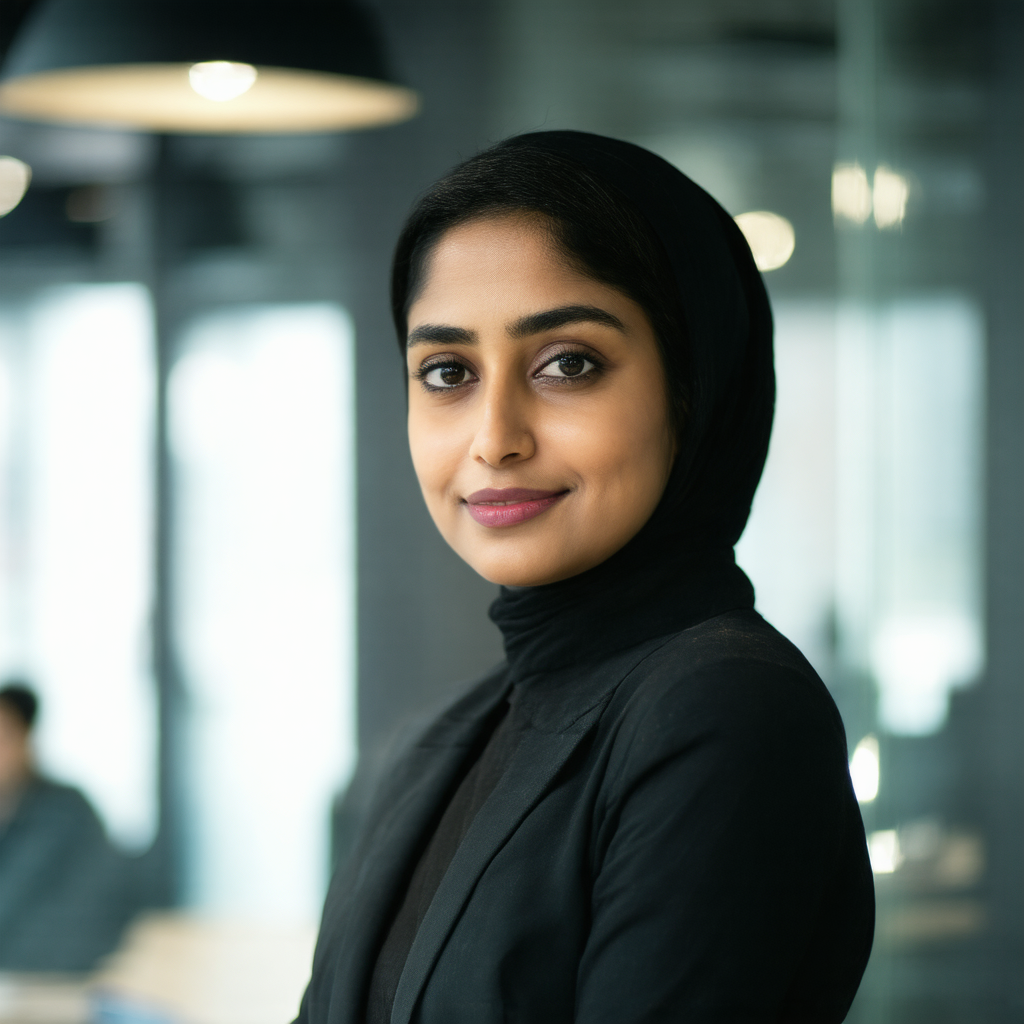 Fatima is a rising star in investigative journalism, with a focus on uncovering stories that affect marginalized communities. Her work spans South Asia and beyond.
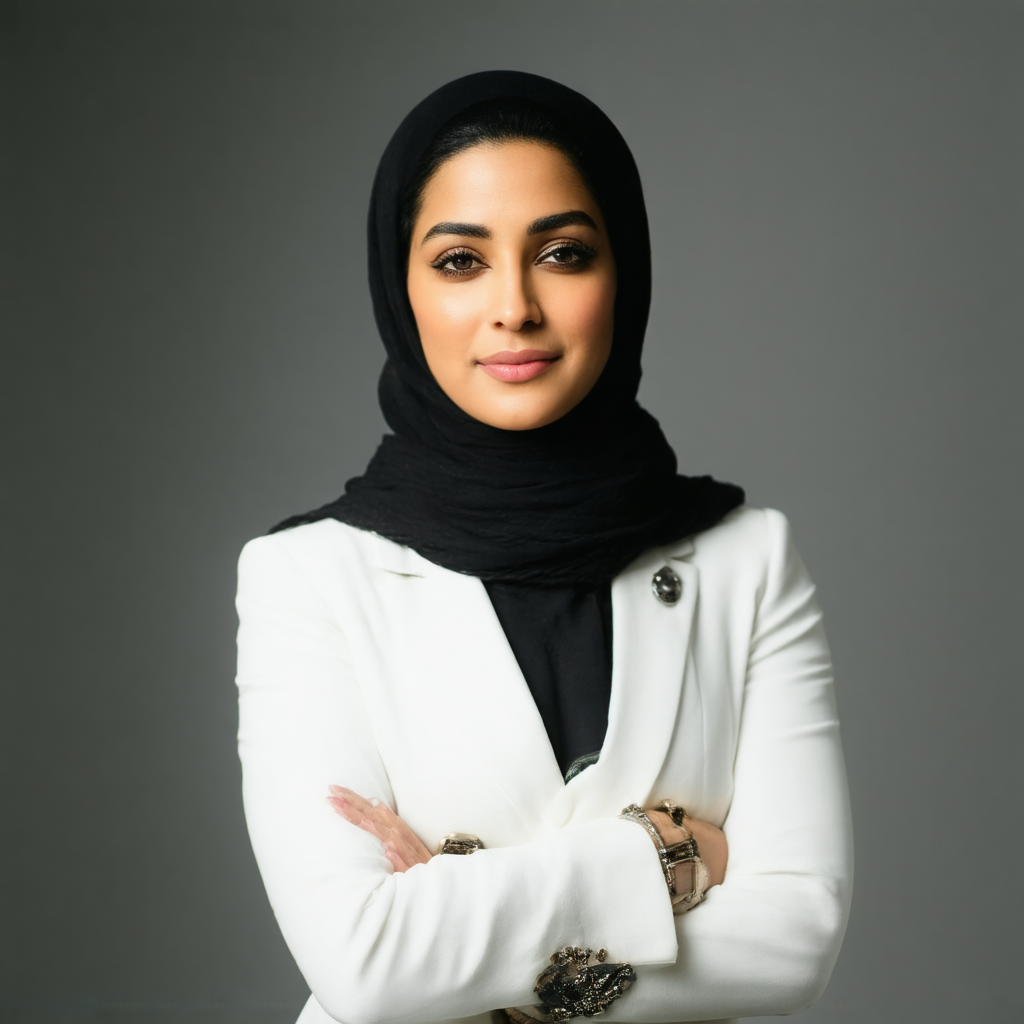 Hina is a multimedia journalist with a focus on migration and displacement. Her work uses visual storytelling to highlight the human side of global movements.
 Luis brings a unique perspective to global health and science reporting, blending scientific expertise with journalistic storytelling.