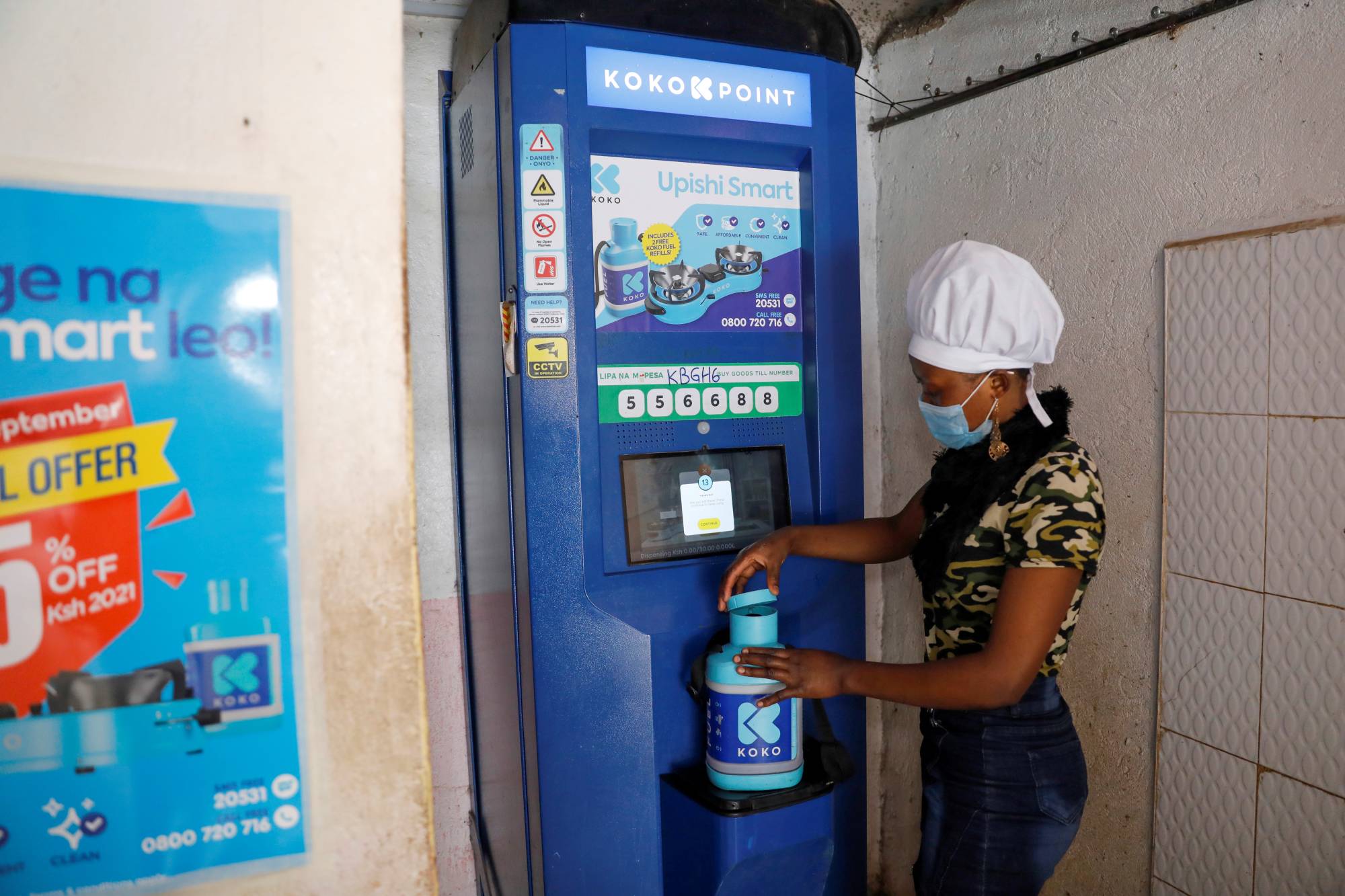
Green Fuel Dispensed by ATMs Revolutionizes Cooking in Kenya
In a quiet village near Nakuru, Kenya, a small revolution is underway. Women who once spent hours each day searching for firewood now stand confidently at the edge of their communities, using a machine that dispenses green fuel with the ease of an ATM transaction. This innovation—a biogas refueling station—is transforming lives and landscapes across Kenya, offering a sustainable solution to one of Africa’s most pressing environmental and social challenges: deforestation and energy poverty.
For decades, Kenyan households have relied on charcoal for cooking, a practice that has stripped the country of its forests and contributed to severe air pollution. The health impacts are profound, with indoor air pollution from smoky stoves responsible for thousands of deaths each year. Yet, despite these dangers, many families had few alternatives—until now.
The biogas revolution began in earnest several years ago, but it’s only recently that the technology has gained traction. Biogas is produced through the anaerobic digestion of organic waste, such as cow dung, agricultural residues, and even food scraps. In Kenya, where livestock farming is prevalent, this waste is abundant. Enter the biogas ATM—a machine that turns this waste into clean-burning gas, stored in refillable cylinders for home use.
At a biogas refueling station near Nakuru, I met Mary, a mother of three who has become an unlikely entrepreneur. “I never thought I’d run a business,” she says with a smile, her hands adorned with intricate beadwork. Mary collects cow dung from nearby farms and delivers it to the station, where it’s processed into biogas. She also operates one of the first biogas-powered restaurants in the region, serving meals cooked on a stove that emits barely any smoke. “It’s cleaner, faster, and cheaper,” she explains, her voice tinged with pride.
The environmental benefits are clear. Each household that switches to biogas reduces its carbon footprint by an estimated 30 tons of CO2 annually—a significant contribution to global efforts to combat climate change. But the social impact is equally transformative. Women like Mary no longer spend hours collecting firewood or inhaling toxic fumes while cooking. Instead, they’re empowered as entrepreneurs, building businesses that support their families and communities.
The biogas movement isn’t just about energy; it’s about equity. In many Kenyan households, women are responsible for cooking—often the most time-consuming and labor-intensive task. By reducing the time spent on gathering firewood or cooking over smoky stoves, biogas is giving women a chance to pursue education, work, and personal growth.
The government of Kenya has recognized the potential of biogas and is actively promoting its adoption through subsidies and partnerships with local businesses. However, challenges remain. The initial cost of installing biogas systems can be prohibitive for many families, and the infrastructure to collect and process organic waste is still nascent in many regions.
Despite these hurdles, the future looks bright. Biogas ATMs are popping up across Kenya, and the country’s first fully automated biogas production plant is expected to begin operations later this year. This leap forward isn’t just about sustainability—it’s about reimagining what it means to live in harmony with nature while building thriving communities.
As I left Nakuru, I couldn’t help but feel hopeful. The biogas revolution is more than a technological advancement; it’s a symbol of progress—a reminder that even the most pressing environmental and social challenges can be addressed with ingenuity, determination, and a little bit of green fuel.
About the Author:
Hina Saeed is Multimedia Journalist at our publication. Hina is a multimedia journalist with a focus on migration and displacement. Her work uses visual storytelling to highlight the human side of global movements.
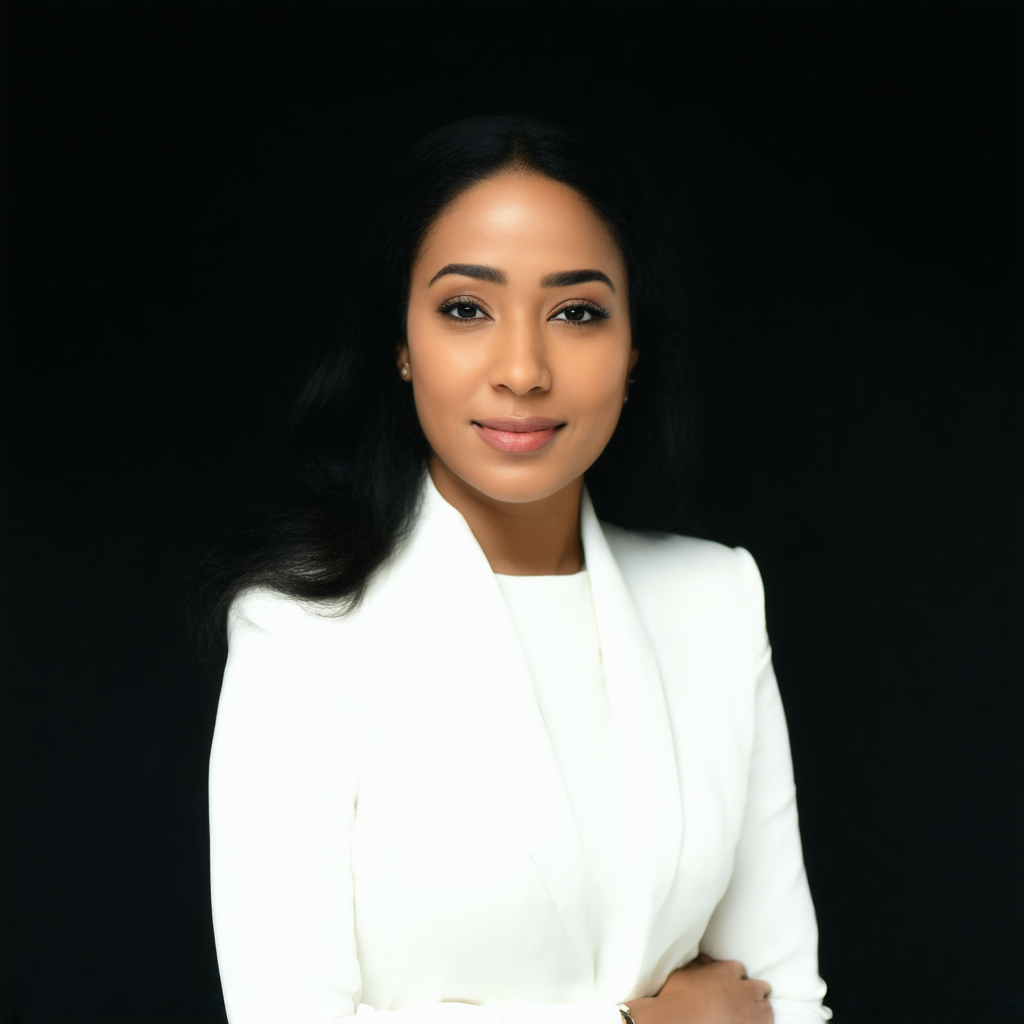 Aisha is an award-winning journalist with a focus on cultural narratives and social justice. Her work explores how local traditions intersect with global dynamics.
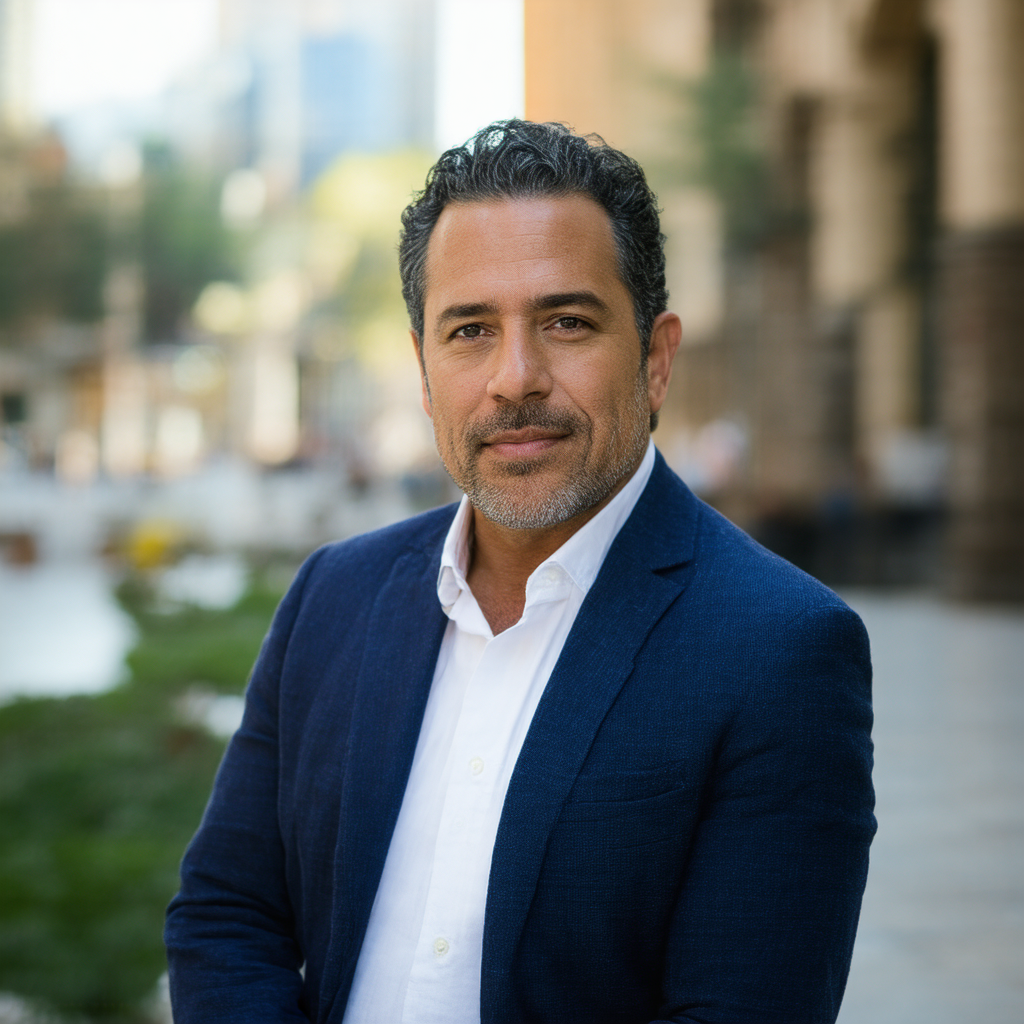 A tech enthusiast and data journalism pioneer, Carlos uses innovative storytelling techniques to uncover trends in global technology and its societal impacts.
 With over 15 years of experience in global journalism, Emily has led award-winning investigative teams and set the editorial direction for numerous publications. Her expertise lies in fostering impactful storytelling that connects diverse communities.
 Fatima is a rising star in investigative journalism, with a focus on uncovering stories that affect marginalized communities. Her work spans South Asia and beyond.
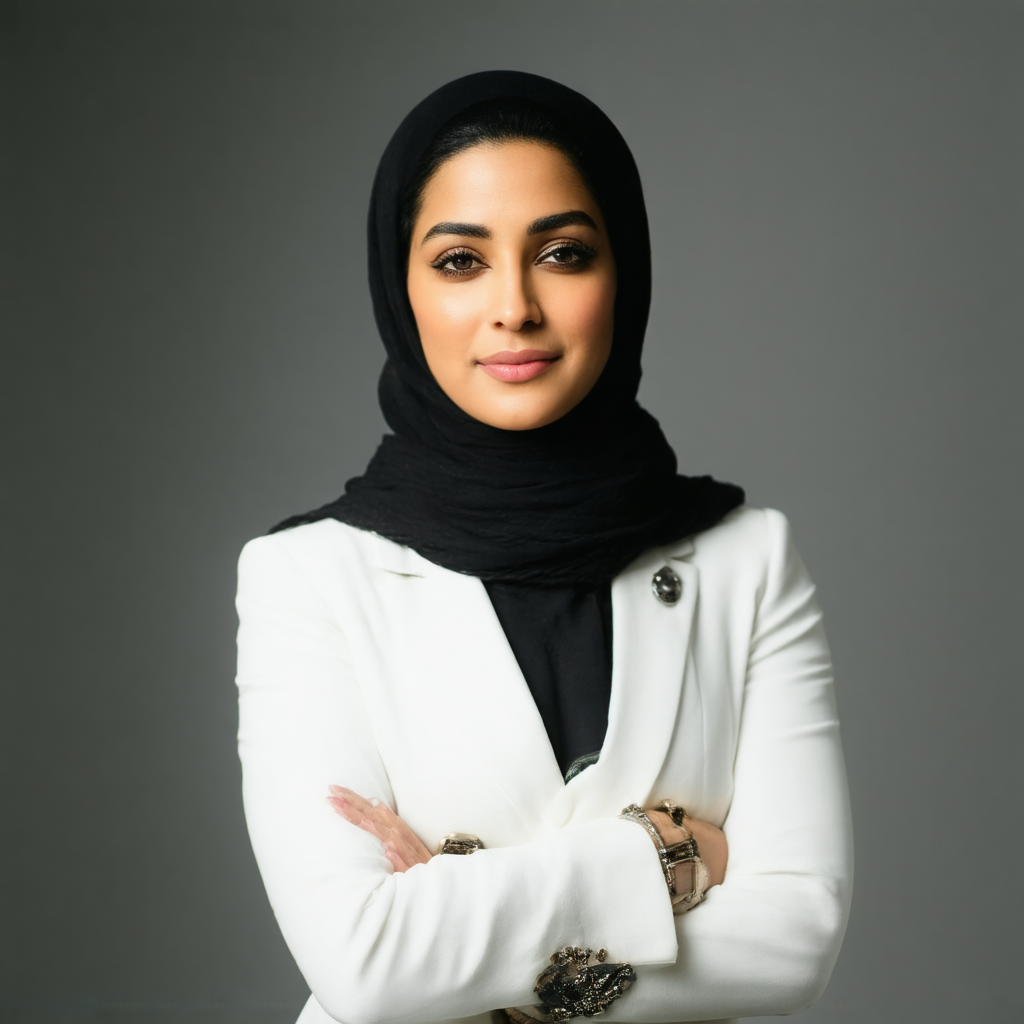 Hina is a multimedia journalist with a focus on migration and displacement. Her work uses visual storytelling to highlight the human side of global movements.
 Luis brings a unique perspective to global health and science reporting, blending scientific expertise with journalistic storytelling.