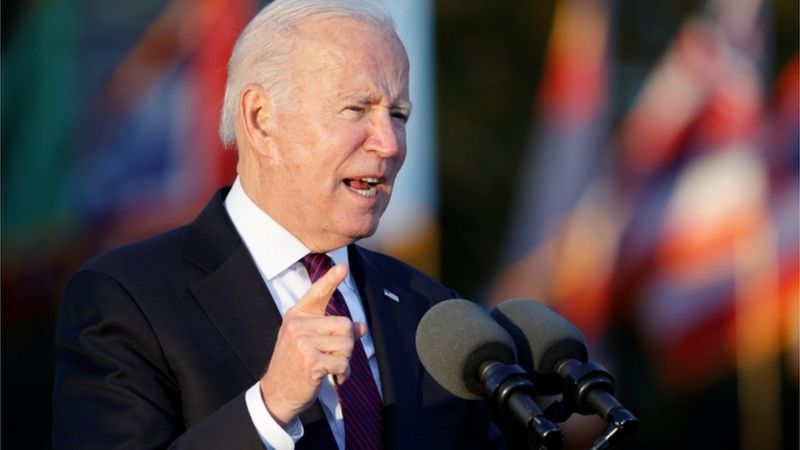
In a quiet corner of the Rust Belt, workers are welding steel beams under the glow of new LED lights, their hands shaping the future of an old bridge. This scene is replicated across the Americas as Joe Biden’s $1 trillion infrastructure plan breathes life into neglected communities and ambitious projects alike.
Modernizing America’s Backbone
The focus on infrastructure isn’t just about roads and bridges; it’s about rebuilding the nation’s soul. The plan allocates $125 billion to upgrade existing roads, bridges, and tunnels, with a special emphasis on climate resilience. In Rust Belt cities, long-neglected bridges are being transformed into symbols of hope, creating jobs for those who once felt left behind.
The push for broadband expansion is equally transformative. With $65 billion dedicated to closing the digital divide, every American home is set to have high-speed internet by 2030. In rural towns, where internet access was a luxury, schools and businesses are now connected to the world, fostering new opportunities.
A Green Energy Revolution
Clean energy isn’t just an add-on; it’s at the core of Biden’s vision. The plan invests $400 billion into renewable energy, propelling the U.S. towards a net-zero future by 2050. Solar farms are sprouting in the Southwest, wind turbines dotting the Midwest, and electric vehicle charging stations becoming as common as gas stations.
This shift isn’t just environmental; it’s economic. Tens of thousands of jobs are being created in manufacturing solar panels and wind turbines. In Appalachia, former coal miners are retraining to install solar panels, finding dignity in a new career path.
Jobs for the Future
The infrastructure plan is a job creator on an unprecedented scale. Over 10 years, it’s projected to generate millions of jobs, from construction workers to engineers. Unionized projects ensure fair wages and safe working conditions, reversing decades of decline in labor standards.
In cities like Detroit, former autoworkers are transitioning into building electric vehicles, reigniting the city’s manufacturing prowess. These aren’t just jobs; they’re pathways to the middle class, offering hope to families who felt their futures slipping away.
Equity in the Digital Age
Digital equity is more than a buzzword here; it’s a mission. $10 billion is allocated to connect schools and libraries, ensuring no child misses out on education due to lack of internet. Community centers are becoming tech hubs, offering free classes and resources, empowering those left behind.
A United Region
Biden’s plan isn’t just for the U.S.; it’s for the Americas. Partnerships with Canada and Mexico aim to build a resilient continent, sharing best practices and fostering collaboration. Bipartisan support in Congress shows that progress is possible when leaders put aside differences.
In this narrative of renewal, every dollar spent is an investment in people, infrastructure, and hope. The future isn’t just about what’s built today but about the lives transformed tomorrow.
About the Author:
Carlos Gutierrez is Technology Analyst at our publication. A tech enthusiast and data journalism pioneer, Carlos uses innovative storytelling techniques to uncover trends in global technology and its societal impacts.
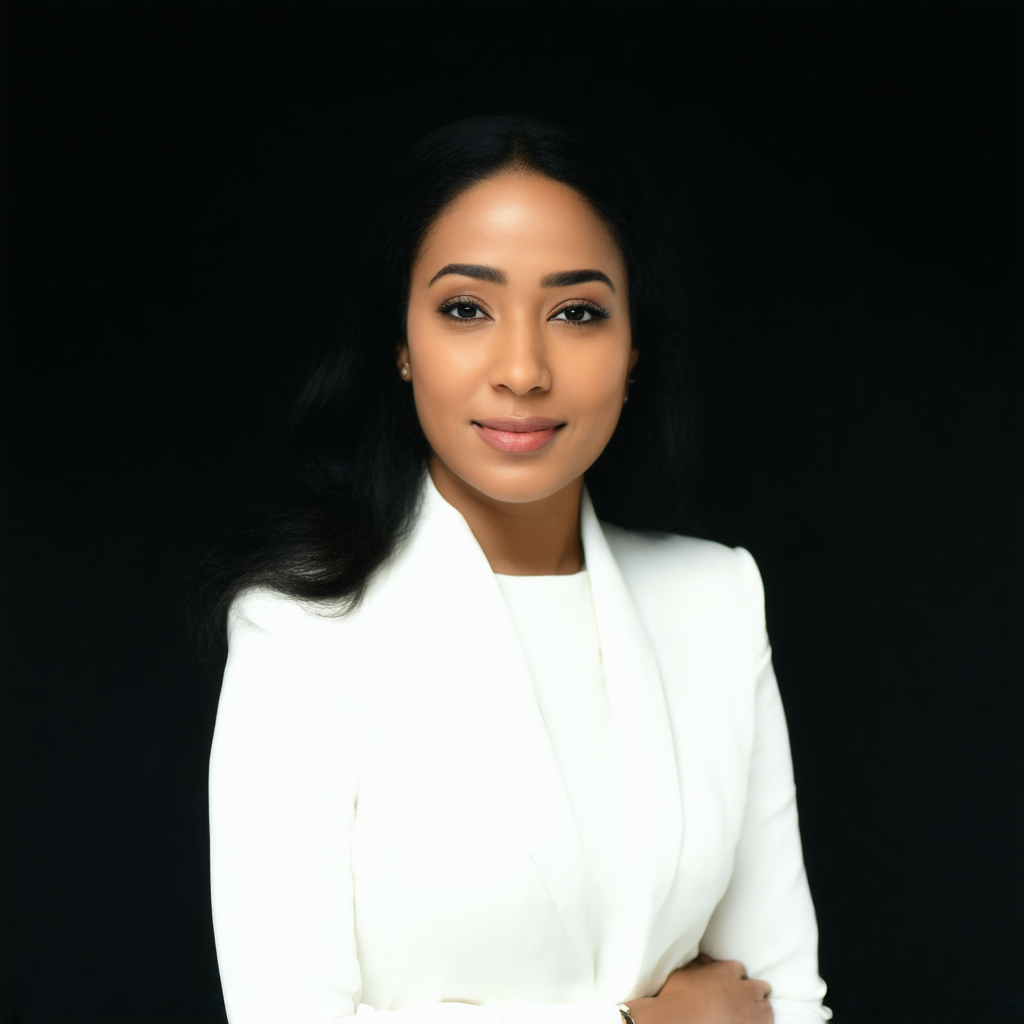 Aisha is an award-winning journalist with a focus on cultural narratives and social justice. Her work explores how local traditions intersect with global dynamics.
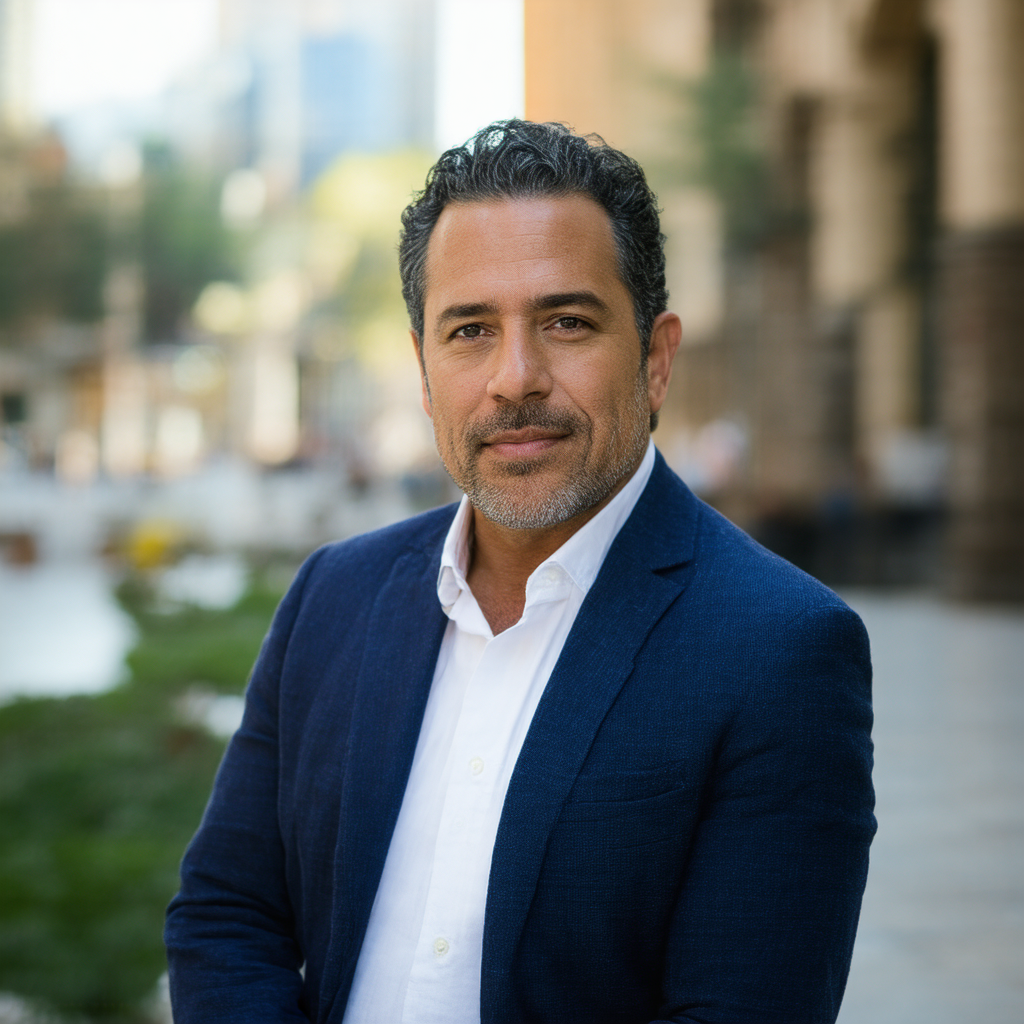 A tech enthusiast and data journalism pioneer, Carlos uses innovative storytelling techniques to uncover trends in global technology and its societal impacts.
 With over 15 years of experience in global journalism, Emily has led award-winning investigative teams and set the editorial direction for numerous publications. Her expertise lies in fostering impactful storytelling that connects diverse communities.
 Fatima is a rising star in investigative journalism, with a focus on uncovering stories that affect marginalized communities. Her work spans South Asia and beyond.
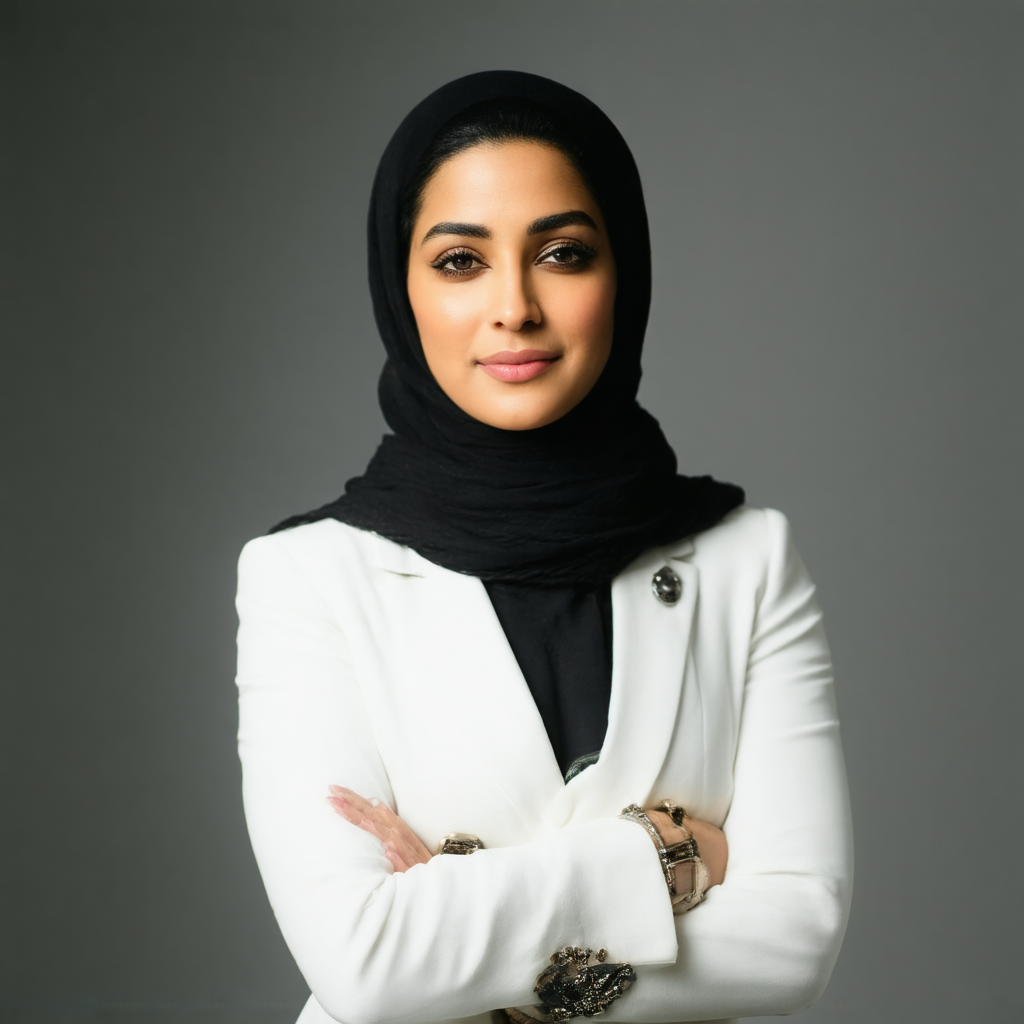 Hina is a multimedia journalist with a focus on migration and displacement. Her work uses visual storytelling to highlight the human side of global movements.
 Luis brings a unique perspective to global health and science reporting, blending scientific expertise with journalistic storytelling.